Search by topic
- archaeology
- Building of Local Interest
- chapel
- charity
- church
- crime
- dressmaker
- Great Eastern Railway
- Listed building
- Mapping Relief
- medieval
- oral history
- poverty
- Public House
- railway worker
- Religious House
- Roman
- scholar
- school
- Then and Now
- tudor
- women
- work
- world war one
- world war two
Search by text


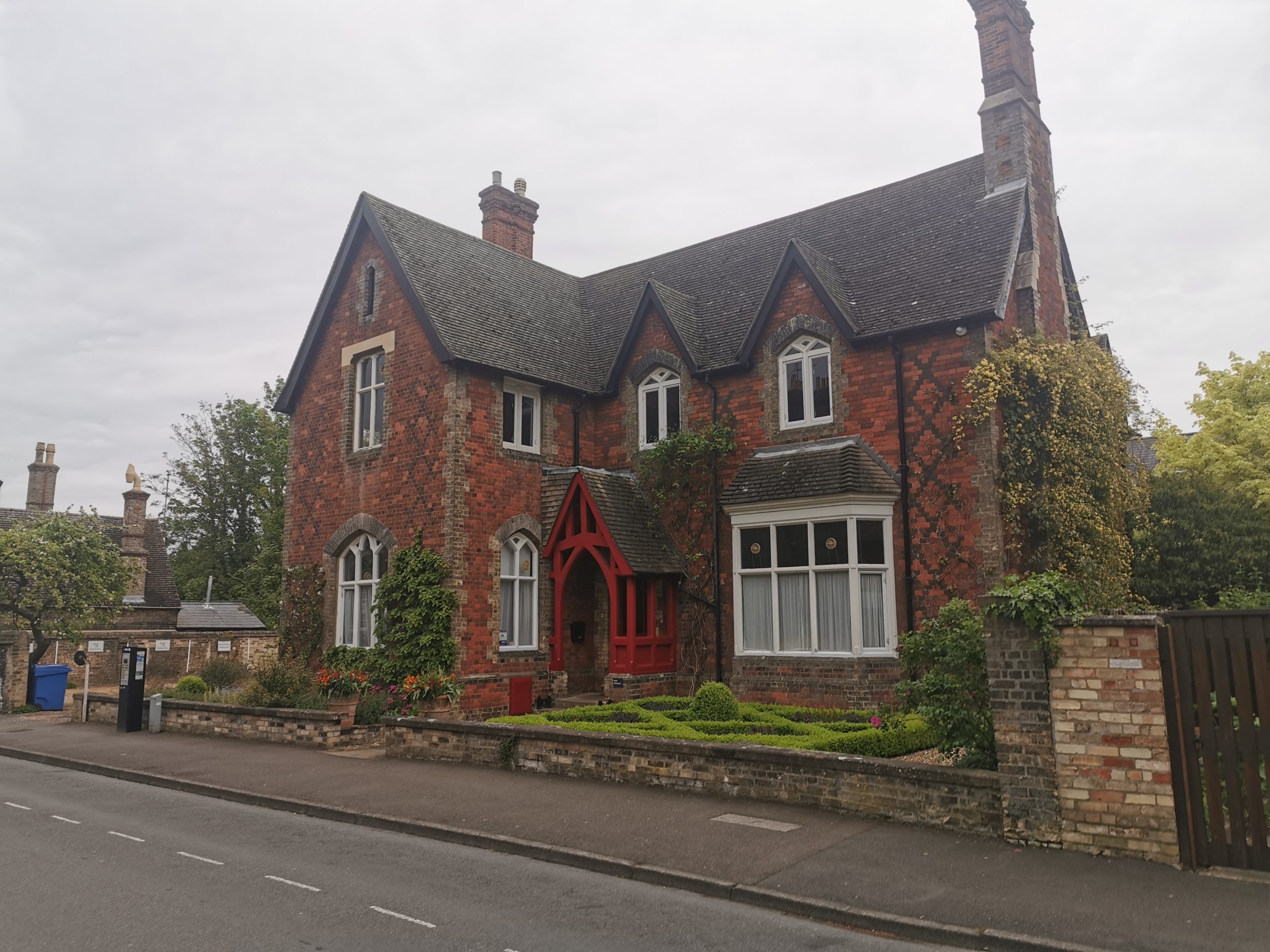 14 St Paul's Road
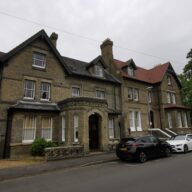
14 St Paul’s Road (St Paul’s Vicarage / Cambridge Muslim College)
History of 14 St Paul's Road
1849 the plot behind the church was sold for the building of a parsonage. [For more information about the development of the area see St Paul’s Church and Cambridge Place].
Built by G G Scott, 1853-4, for his brother, the Rev. John Scott. According to Pevsner, the red brick, modern-Gothic-domestic mode anticipated St John’s Master’s Lodge.
1911
Henry Paine Stokes, 61, clergyman, b Kent
Sophie Emmeline, 55, b Staffs
Margaret Sophie, 16, b Cambridge
Amy Kinton, 14, b Cambridge
Louis Mander, 13, b Cambridge
Mary Marratt, 11, b Cambridge
Elise Althea Haynes, 19, cook, b Cambridge
Helen Maria Tabor, 34, housemaid, b Cambridge
Ada Easton, 38, nurse, b Cambridge
Elizabeth Jane Plum, 17, nursemaid, b Cambridge
Louis Mander Stokes: Second Lieutenant, 2nd Royal Marine Battalion, Royal Marine Division, Royal Marine Light Infantry. Died 13th November 1916. Aged 19. Son of the Rev. Dr. and Mrs. Stokes, of Little Wilbraham Rectory, Cambridge. {His father was actually Canon Stokes who was Vicar at St Paul’s when his son was killed but moved on to be Vicar of Wilbraham on his retirement from St Paul’s]. Buried in MAILLY WOOD CEMETERY, MAILLY-MAILLET, Somme, France. Plot I. Row D. Grave 32. See also Cambridge Guildhall (St Paul’s Roll of Honour)
1913
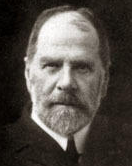
Rev Henry Paine Stokes
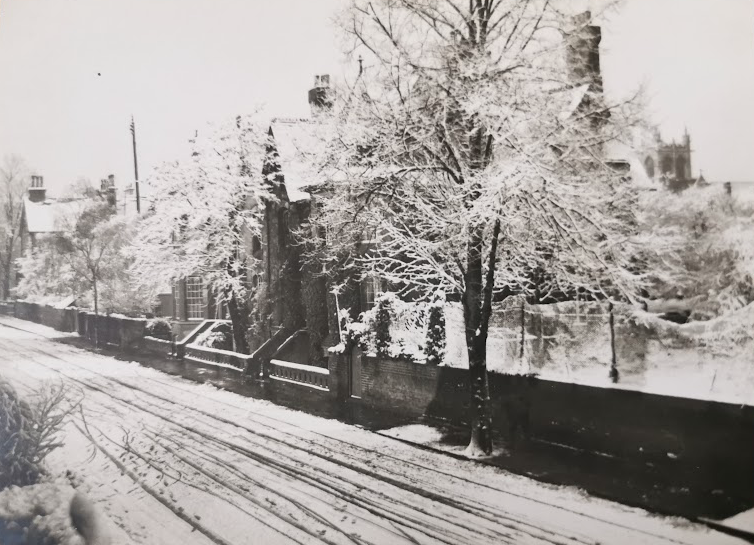
St Paul’s Road, 1.3.1931 (MoC158/54)
1962
Rev Herbert Carson
Projects
Contribute
Do you have any information about the people or places in this article? If so, then please let us know using the Contact page or by emailing capturingcambridge@
Licence
This work is licensed under CC BY-NC-SA 4.0