Search by topic
- archaeology
- Building of Local Interest
- chapel
- charity
- church
- crime
- dressmaker
- Great Eastern Railway
- Listed building
- Mapping Relief
- medieval
- oral history
- poverty
- Public House
- railway worker
- Religious House
- Roman
- scholar
- school
- Then and Now
- tudor
- women
- work
- world war one
- world war two
Search by text


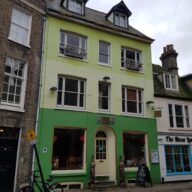
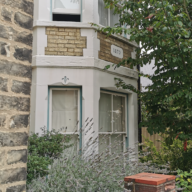
110 Gwydir Street
History of 110 Gwydir Street
1881
James Utteridge, head, 53, engineers clerk, b Cambridge
Eliza, wife, 45, b Cambridge
Lucy A, daughter, 18, milliner, b Cambridge
Annie M, daughter, 15, dressmaker’s assistant, b Cambridge
Frederick A, son, 6, scholar, b Cambridge
Ethel L, daughter, 5, scholar, b Cambridge
1891
Elizabeth Butler, head, widow, 71, laundress, b Trumpington
Alice Barron, daughter, 29, b Cambridge
James Barron, son in law, 32, boiler smith assistant, b Cambridge
William H Barron, grandson, 2, b Cambridge
1901
William Clarke, 55, bricklayer, b Suffolk
Mary A, 55, b Essex
Lily, 23, dressmaker, b Cambridge
Grace, 18, b Cambridge
Archibald, 15, machinist, b Cambridge
Maggie, grand daughter, 5, b London
1902 CDN 6.8.1902: Grace Clark gave evidence in the hearing of Percy Barrington of St Barnabas Road who was charged with making false entries in a cash book and weekly account book while being a servant in the employ of the Public Tea Company, Mincing-lane, London. Grace was also an employee. Percy was committed to trial on bail.
1904 William H Clarke, bricklayer
1911
William Henry Clarke, 66, bricklayer, b Suffolk
Mary Ann, 66, b Essex
Archbald Linned [sic], 26, labourer, b Cambridge
1913
John Stubbs, taxi-driver
1939
Edward Wallman, b 1881, canten manager
Mary, b 1880
1962
Mrs M Wallman
Projects
Contribute
Do you have any information about the people or places in this article? If so, then please let us know using the Contact page or by emailing capturingcambridge@
Licence
This work is licensed under CC BY-NC-SA 4.0