Search by topic
- archaeology
- Building of Local Interest
- chapel
- charity
- church
- crime
- dressmaker
- Great Eastern Railway
- Listed building
- Mapping Relief
- medieval
- oral history
- poverty
- Public House
- railway worker
- Religious House
- Roman
- scholar
- school
- Then and Now
- tudor
- women
- work
- world war one
- world war two
Search by text



International Day of Disabled People
International Day of Disabled People is held on the 3rd of December as an international observance promoted by the United Nations.
International Days are occasions to educate the public on issues of concern, to mobilise political will and resources to address global problems, and to celebrate and reinforce achievements of humanity.
Did you know: persons with disabilities in the world are among the hardest hit by COVID-19.
The annual observance of the International Day of Disabled Persons was proclaimed in 1992 by United Nations General Assembly resolution 47/3. It aims to promote the rights and well-being of persons with disabilities in all spheres of society and development, and to increase awareness of the situation of persons with disabilities in every aspect of political, social, economic and cultural life.’
Did you know: of the one billion population of persons with disabilities, 80% live in developing countries.
The UN launched the United Nations Disability Inclusion Strategy in June 2019. The Secretary-General stated that the United Nations should lead by example and raise the Organisation’s standards and performance on disability inclusion—across all pillars of work, from headquarters to the field.
Did you know: an estimated 46% of older people aged 60 years and over are people with disabilities.
In the UK, International Day of Disabled People falls during our Disability History Month (18 th November – 18 th December). While we need to ensure that disabled people have access to all services, activities and events, and are therefore included in every aspect of life, History Month and International Day are about celebrating, and raising awareness within the wider community of the contributions of disabled people in the fields of sport, the arts, public service, business, the charity sector and education.
.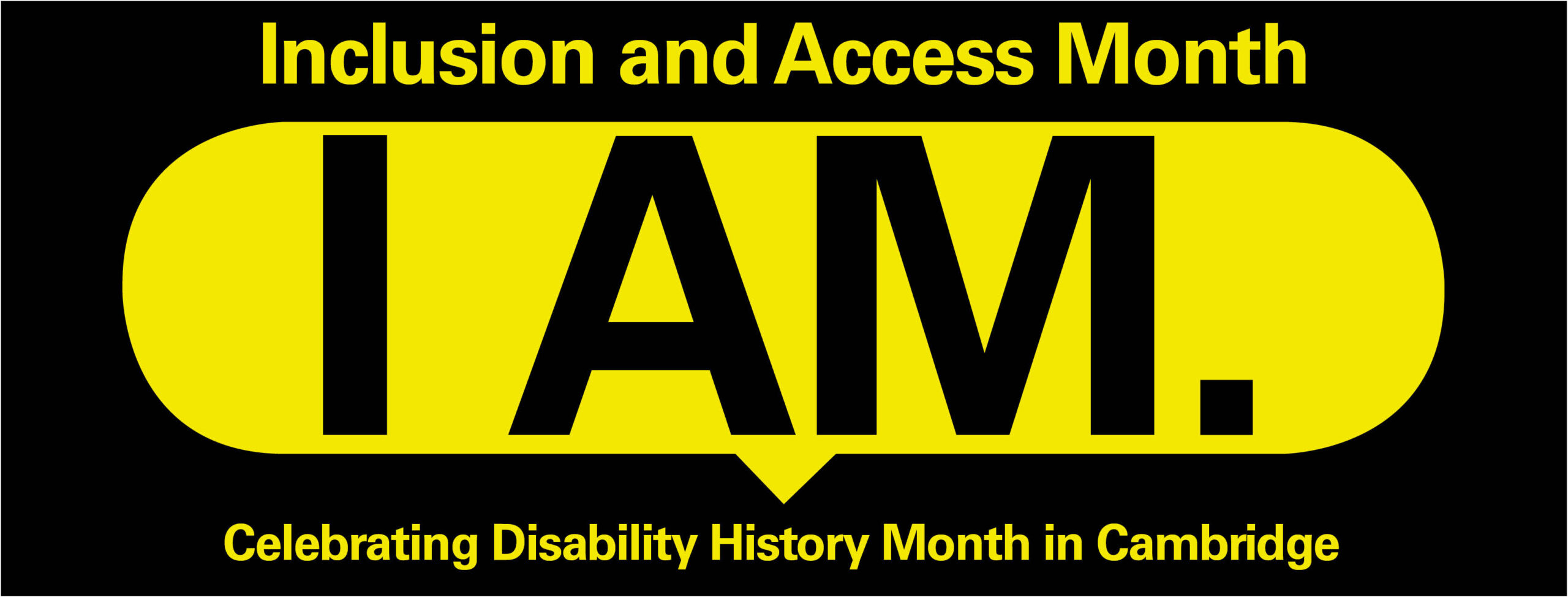
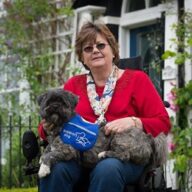
I AM Cambridge: Inclusion and Access in Cambridge is part of our Cambridge Disability Heritage archive and resource site. We are gathering, sharing, celebrating, campaigning and archiving experiences of inclusion and accessibility in Cambridge. Raising awareness to bring about change through stories, memories, history and the arts.
Projects
Contribute
Do you have any information about the people or places in this article? If so, then please let us know using the
Contact page or by emailing
capturingcambridge@
Licence
This work is licensed under
CC BY-NC-SA 4.0


 not including content on external links as indicated
by
not including content on external links as indicated
by .
.