Search by topic
- archaeology
- Building of Local Interest
- chapel
- charity
- church
- crime
- dressmaker
- Great Eastern Railway
- Listed building
- Mapping Relief
- medieval
- oral history
- poverty
- Public House
- railway worker
- Religious House
- Roman
- scholar
- school
- Then and Now
- tudor
- women
- work
- world war one
- world war two
Search by text


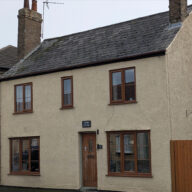
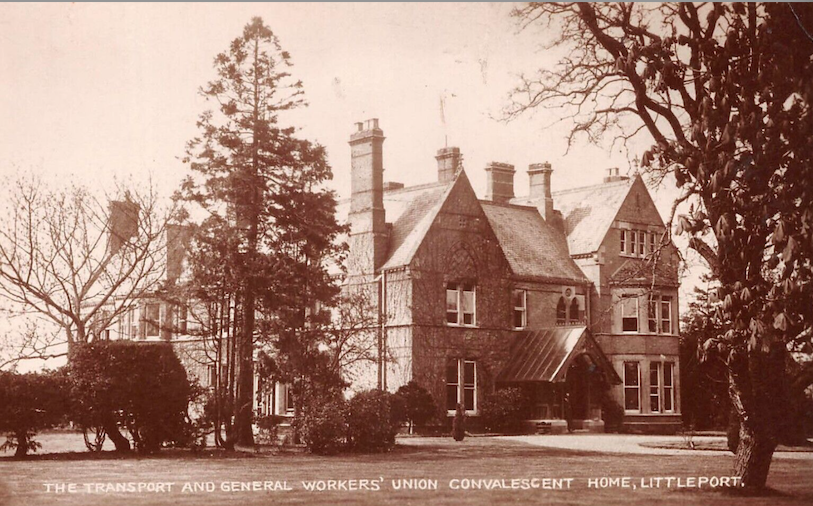 The Grange, Littleport
The Grange, TGWU Convalescent Home, Littleport
History of the Grange, Littleport
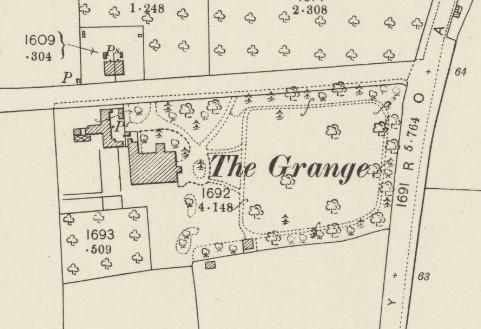
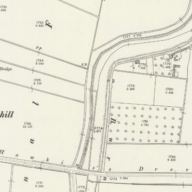
The Grange, Littleport OS 1901
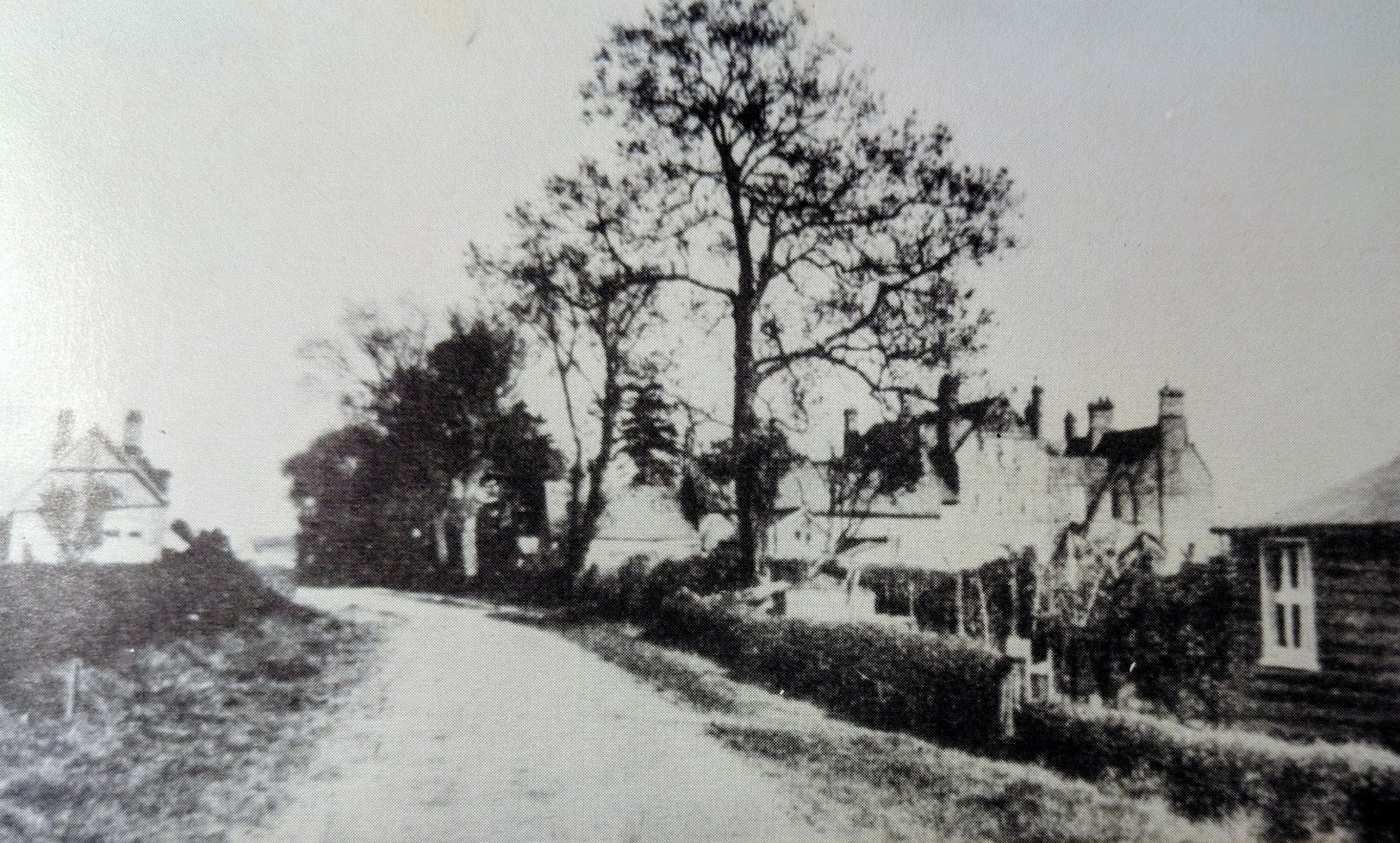
The Grange, Littleport c.1925
The Grange on the right was built by Canon E B Sparke, vicar of Littleport, in 1855. Later it was the home of Thomas Peacock, founder of Hope Brothers’ Factory.
1896 William Cutlack bought house
1912 offered to County Council as a sanatorium but then left vacant
1915 – 1916 Belgian Refugee Colony run by Evelyn Radford and her sister Maisie until May 1916.
https://www.radfordtrust.org/history/jennet-campbell-mbe-illustrated-lecture/part-1-the-early-years
1918 The house became a prisoner of war camp and that German POWs were used as labour on farms. (Littleport Society Magazine no.93) The Ely Standard newspaper from the beginning of 1918 describes how German POWs were being used in agriculture and drainage projects in Littleport, Isleham and Downham. After the war ended and jobs were required local people protested at the use of POWs.
1918 purchased by Frederick Hiam
1920 sold to National Union of Vehicle Workers as a convalescent home
WWII: RAF hospital
After WWII: Convalescent Home for Transport and General Workers Union
The Convalescent Home of the National Union of Vehicle Workers at The Grange, Littleport, Isle of Ely, opened in 1921, was taken over by the TGWU and its facilities extended to all members.
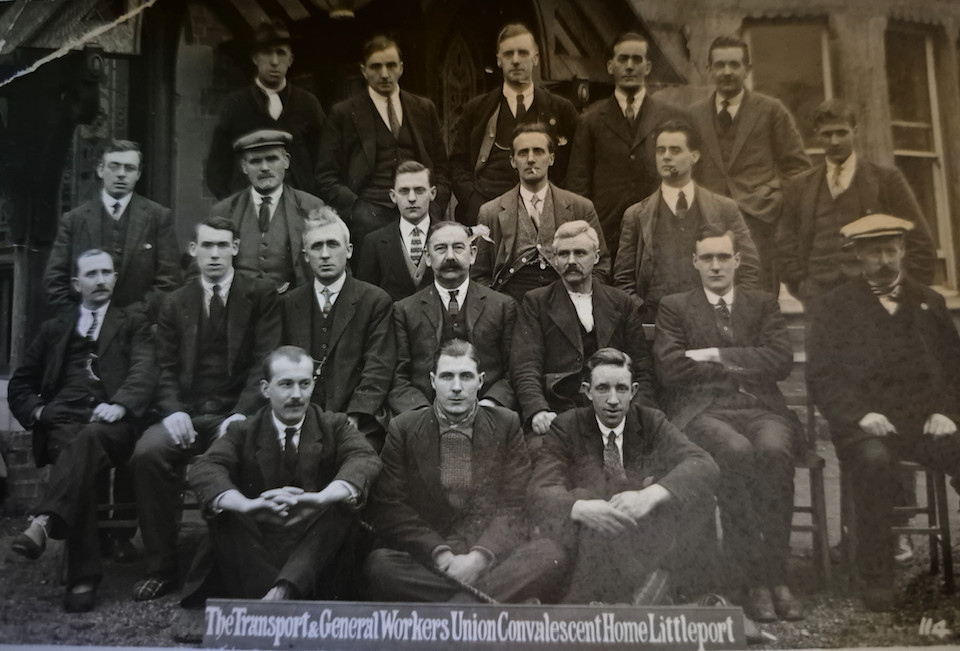
TGWU Convalescent Home Littlport (date unknown – private source)
For more information about the former TGWU Convalescent Home see:
https://mrc-catalogue.warwick.ac.uk/records/TGW/1/04/E/578
Projects
Contribute
Do you have any information about the people or places in this article? If so, then please let us know using the Contact page or by emailing capturingcambridge@
Licence
This work is licensed under CC BY-NC-SA 4.0