Search by topic
- archaeology
- Building of Local Interest
- chapel
- charity
- church
- college servant
- crime
- dressmaker
- Great Eastern Railway
- Listed building
- Mapping Relief
- medieval
- oral history
- poverty
- Public House
- railway worker
- Roman
- scholar
- school
- Then and Now
- tudor
- women
- work
- world war one
- world war two
Search by text


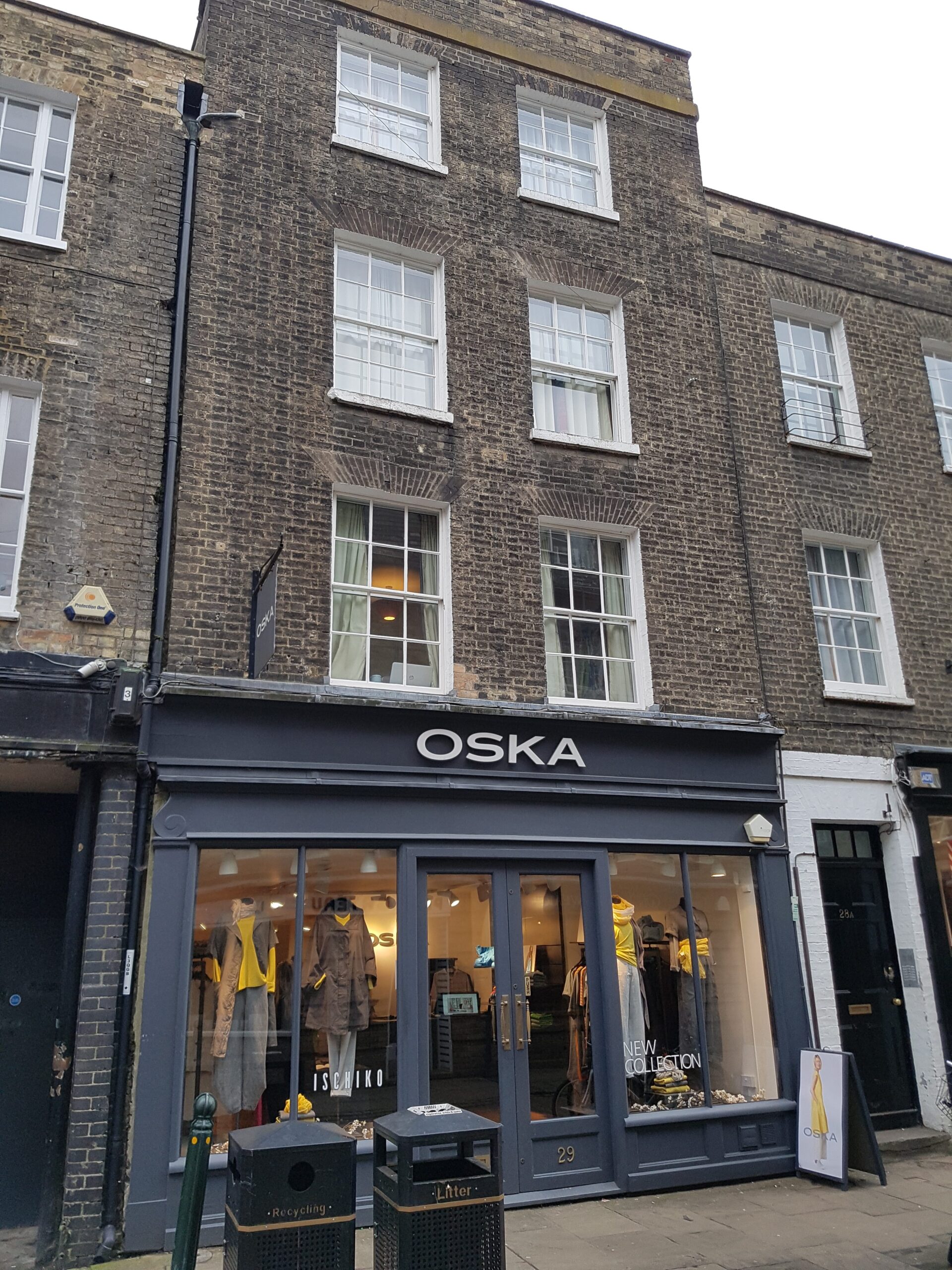
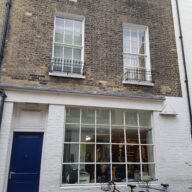
29 Green Street
History of 29 Green Street
Behind no.30, at the beginning of the 19th century was a Weslyan Chapel advertised in 1819 as The new Chapel.
1850
The Weslyan Chapel was taken over by the University Union Society in 1850 where they remained until 1866.
1851
(29)
Charlotte Dickerson, 57, fruiterer, b Cambridge
(29 1/2)
Henry Nunn, 32, livery stable keeper, b Cambridge
1861
(29) Joseph Ryder, 30, Weslyan and Methodist local preacher tailor and robemaker
(29 1/2) Union Society
(29 1/2) Ann Hewitt, 63, housekeeper, b Impington
1866
The vacated Union premises were taken over by Ernest Boys, a Rustat Scholar of Jesus College who had formed the previous year the Albert Institute. This was a social club having for its objects the promotion of religious instruction and healthy recreation among young men; it provided a library, reading room, evening classes, lectures and acted as a de factor employment bureau.
Gerard Cobb, composer of “Mandalay” took charge for a time of the musical side of the Club, whilst Rev Charles Kingsley, Dr Westcott, Dr H R Luard amongst others, gave lectures.
However, the society closed after Ernest Boys departure from Cambridge and the premises were taken over by the Reform Club.
1873
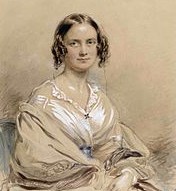
Millicent Garrett Fawcett’s earliest speech on women’s suffrage in Cambridge – in 1873
1874
Joseph Ryder, tailor and robemaker
William Macmasters, tea dealer
The Reform Club, George Coram, custodian
1885
1913
Sidney Cycle and Motor Depot, Knaster and Cox proprietors
Thurston’s University Billiard saloon, Charles M Newman proprietor
1962
Eaden Lilley, grocers
2018
Oska
Projects
Contribute
Do you have any information about the people or places in this article? If so, then please let us know using the
Contact page or by emailing
capturingcambridge@
Licence
This work is licensed under
CC BY-NC-SA 4.0


 not including content on external links as indicated
by
not including content on external links as indicated
by .
.