Search by topic
- archaeology
- Building of Local Interest
- chapel
- charity
- church
- crime
- dressmaker
- Great Eastern Railway
- Listed building
- Mapping Relief
- medieval
- oral history
- poverty
- Public House
- railway worker
- Religious House
- Roman
- scholar
- school
- Then and Now
- tudor
- women
- work
- world war one
- world war two
Search by text
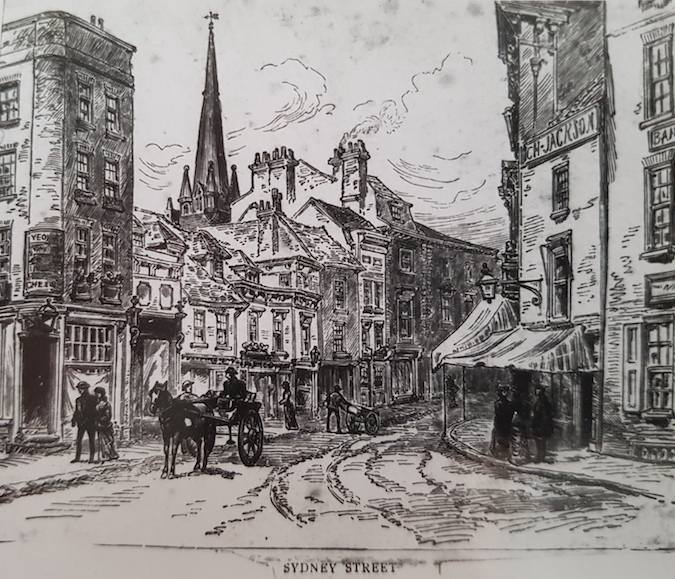 Sidney Street drawing
Sidney Street
History of Sidney Street
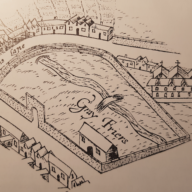
The drawing seems to show a view looking north from the beginning of Sidney Street with the spire of Holy Trinity church in the background.
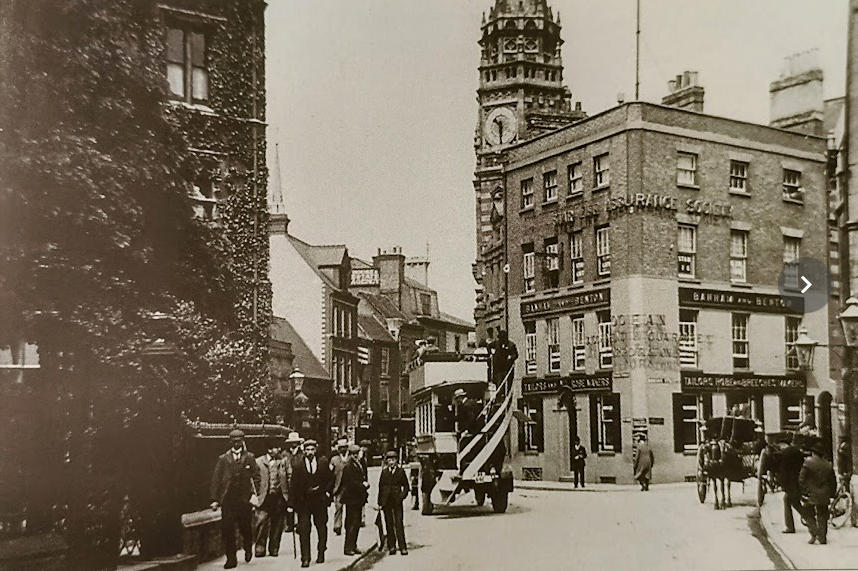
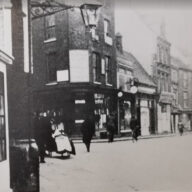
St Andrew’s Street, Sidney Street and Hobson Street Junction c.1905 (Cambridgeshire Collection)
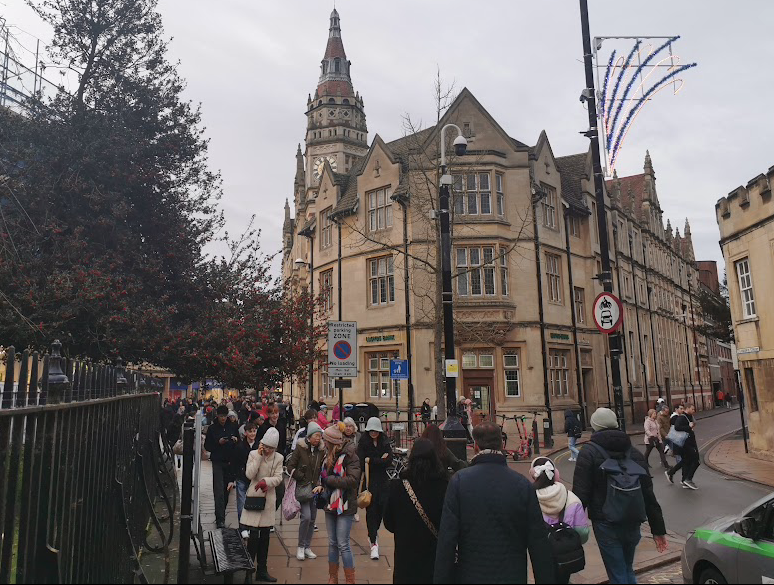
1912
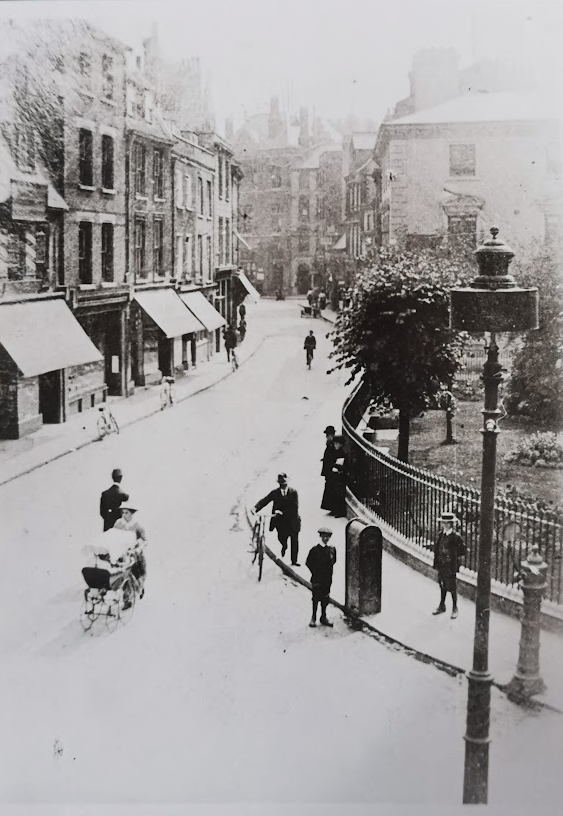
Sidney Street, 1912 (MoC)
1920
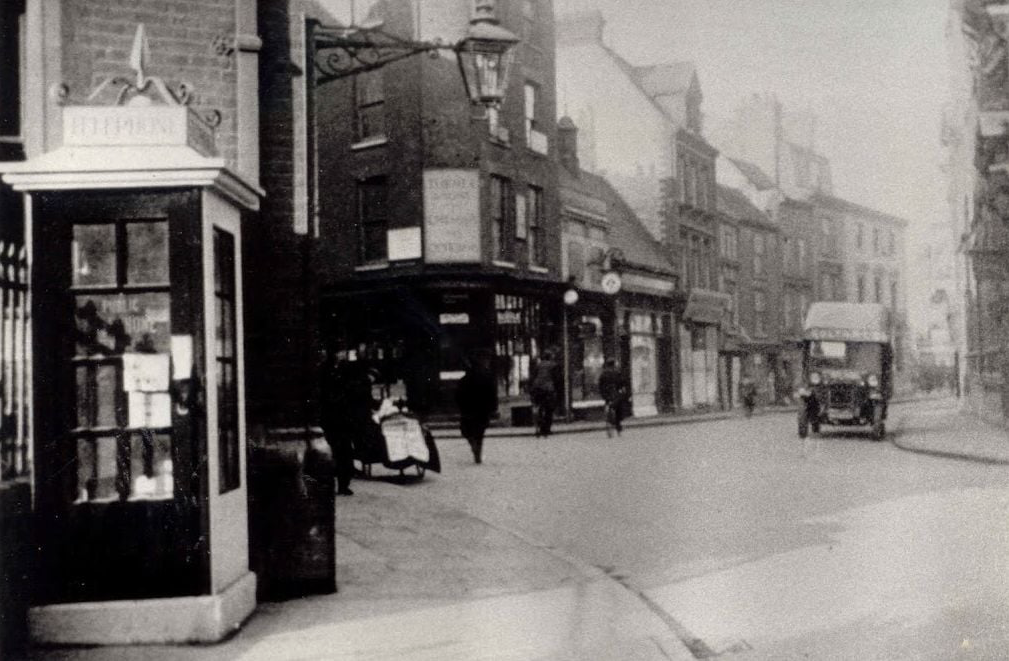
Sidney Street c1920 (Cambridgeshire Collection)
Mike Petty (Facebook) notes:
Telephone Kiosks – Cambridgeshire Scrapbook May 12th 1920
Cambridge Borough Council will tomorrow be asked to approve of the erection of telephone kiosks under the shelter at Hyde Park Corner, and near Sidgwick Avenue (or the side of Queens’ Road). Suggested sites on the Newmarket Road (near Abbey Road) and on the public footpath on Mill Road (near Catharine Street) have failed to secure the approval of the Paving Committee, and in the former case the Borough Surveyor has been asked to select a suitable position in Sun Street, whilst in the latter the Post Office authorities have been requested to obtain another site on private property.
The attention of the Post Office authorities is to be drawn to the need of a kiosk in the Cambridge Without District and a request made for the erection of one at the junction of Cherry Hinton …
1964
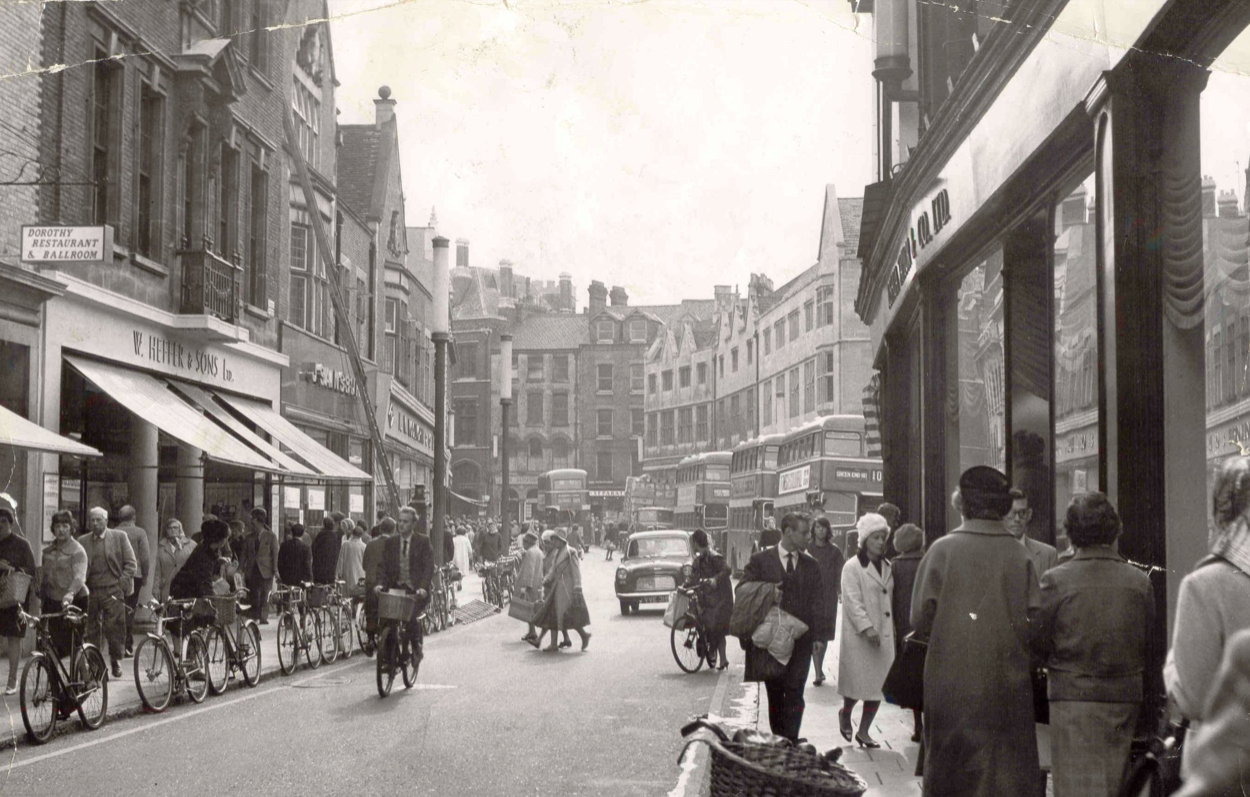
Sidney Street 1964 (Cambridgeshire Collection)
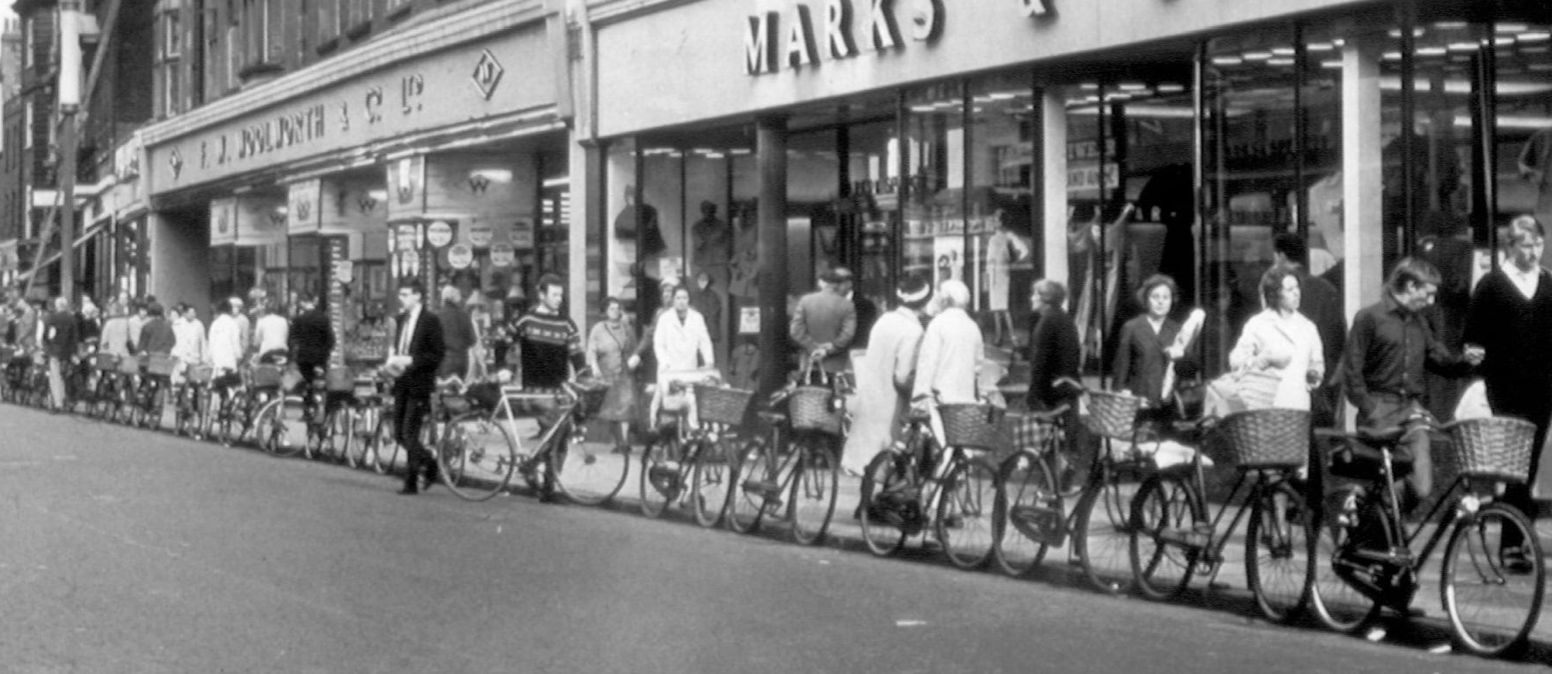
Sidney Street 1964 (Cambridgeshire Collection)
Mike Petty (Facebook) notes:
Pedal-parking peril:
Cambridgeshire Daily News – September 2nd 1949
An author once remarked that Cambridge was unique for the manner in which its population parked their countless bicycles – “Cambridge wise” he called it, thereby implying that local inhabitants adopted an air of supreme nonchalance, when, with a careless flick of the foot, they balance their machines on the edge of the pavement, suspended on one pedal – and not much of that. Our reporter saw two cycle accidents within five minutes. In one case a cycle fell against a double-decker bus as it passed, and in the other, a machine toppled over when there was nothing near it. In both cases the cycles were damaged. In order to reduce kerb parking to a minimum, the council is endeavouring to provide all possible facilities for cycle parking clear off the highways
Projects
Contribute
Do you have any information about the people or places in this article? If so, then please let us know using the Contact page or by emailing capturingcambridge@
Licence
This work is licensed under CC BY-NC-SA 4.0