Search by topic
- archaeology
- Building of Local Interest
- chapel
- charity
- church
- crime
- dressmaker
- fire
- Great Eastern Railway
- Listed building
- Mapping Relief
- medieval
- oral history
- poverty
- Public House
- Religious House
- Roman
- scholar
- school
- Then and Now
- tudor
- women
- work
- world war one
- world war two
Search by text
Exning or Landwade Roman villa
History of Exning / Landwade Roman villa
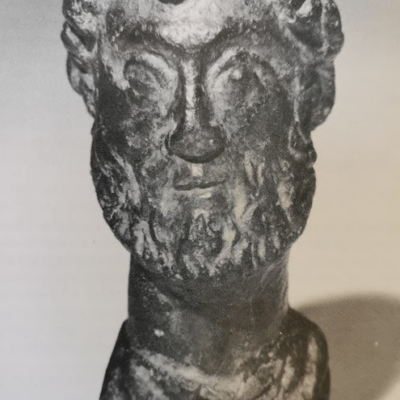
The Roman villa here was discovered in 1904. Although known as the Landwade villa the site is actually in the parish of Exning.
Cyril Fox noted in 1923 (The Archaeology of the Cambridge Region) that ‘a fine mosaic pavement showing a guilloche border and geometrical patterns, in the Cambridge Museum, is practically the sole existing record of a house at Landwade …. it is the only pavement found in the county which has been preserved.‘
Further work in 1968 revealed the existence of a large Romano-British settlement.
https://www.heritagegateway.org.uk/Gateway/Results_Single.aspx?uid=377367&resourceID=19191
Projects
Contribute
Do you have any information about the people or places in this article? If so, then please let us know using the Contact page or by emailing capturingcambridge@
Licence
This work is licensed under CC BY-NC-SA 4.0