Search by topic
- archaeology
- Building of Local Interest
- chapel
- charity
- church
- crime
- dressmaker
- fire
- Great Eastern Railway
- Listed building
- Mapping Relief
- medieval
- oral history
- poverty
- Public House
- Religious House
- Roman
- scholar
- school
- Then and Now
- tudor
- women
- work
- world war one
- world war two
Search by text
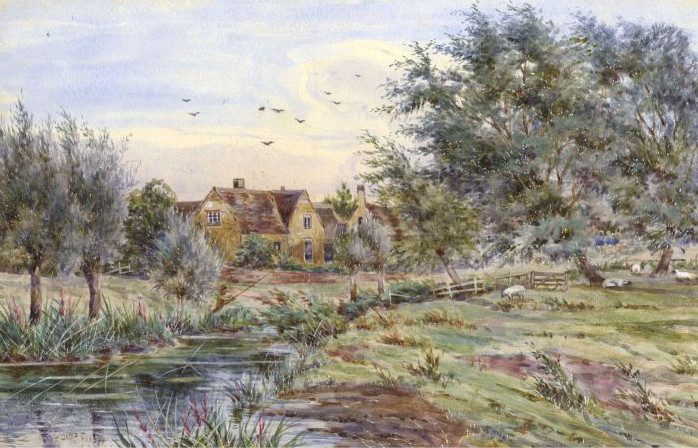 Gilbert Baird Fraser, Holywell
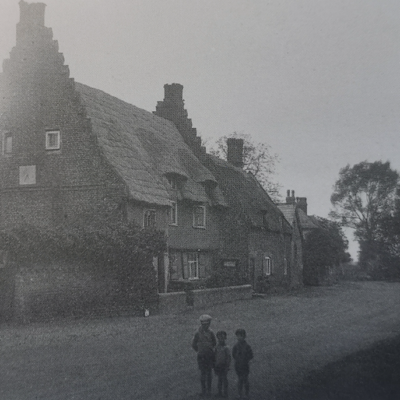
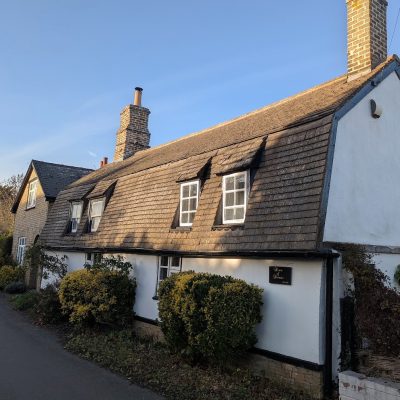
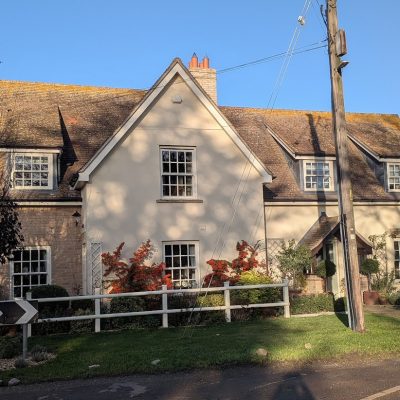
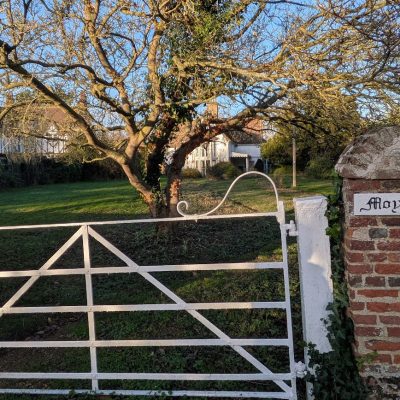
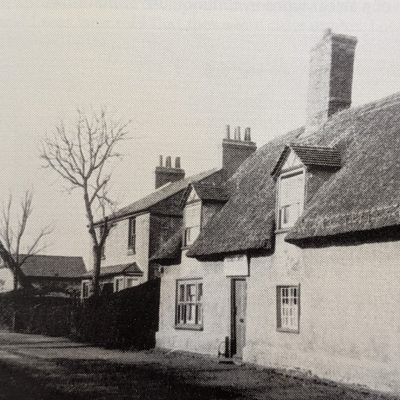
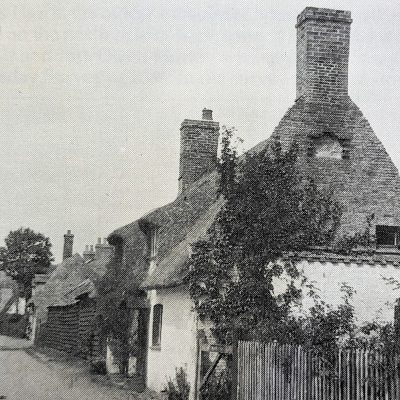
Reed Cottage (Thatch End), High Street, Holywell cum Needingworth
History of Reed Cottage
Listed Building
C17 cottage. Three unit plan; one-storey and attics.
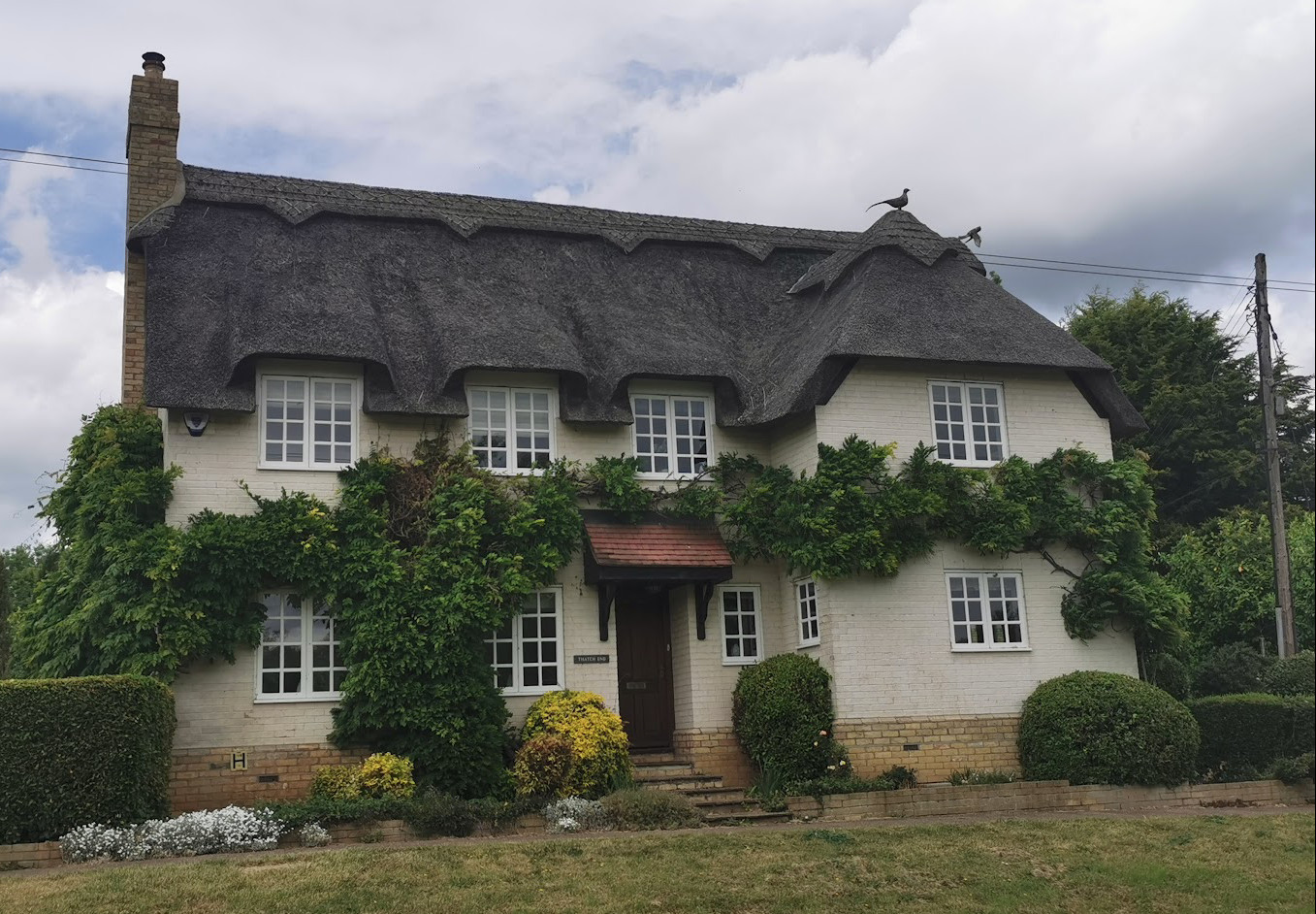
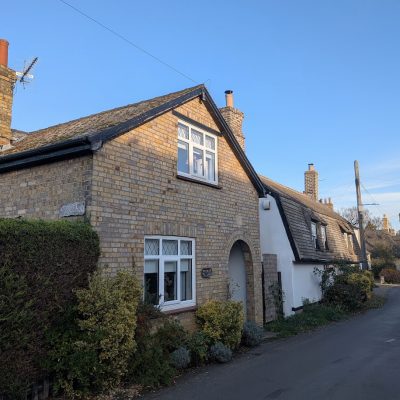
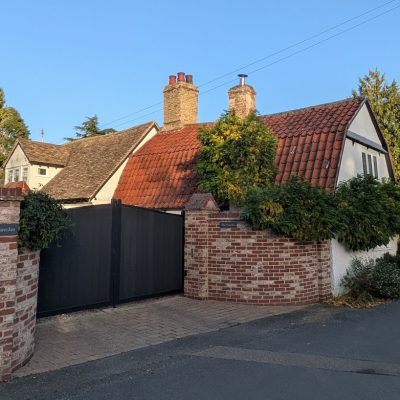
Thatch End, The Front, Holywell (RGL2025)
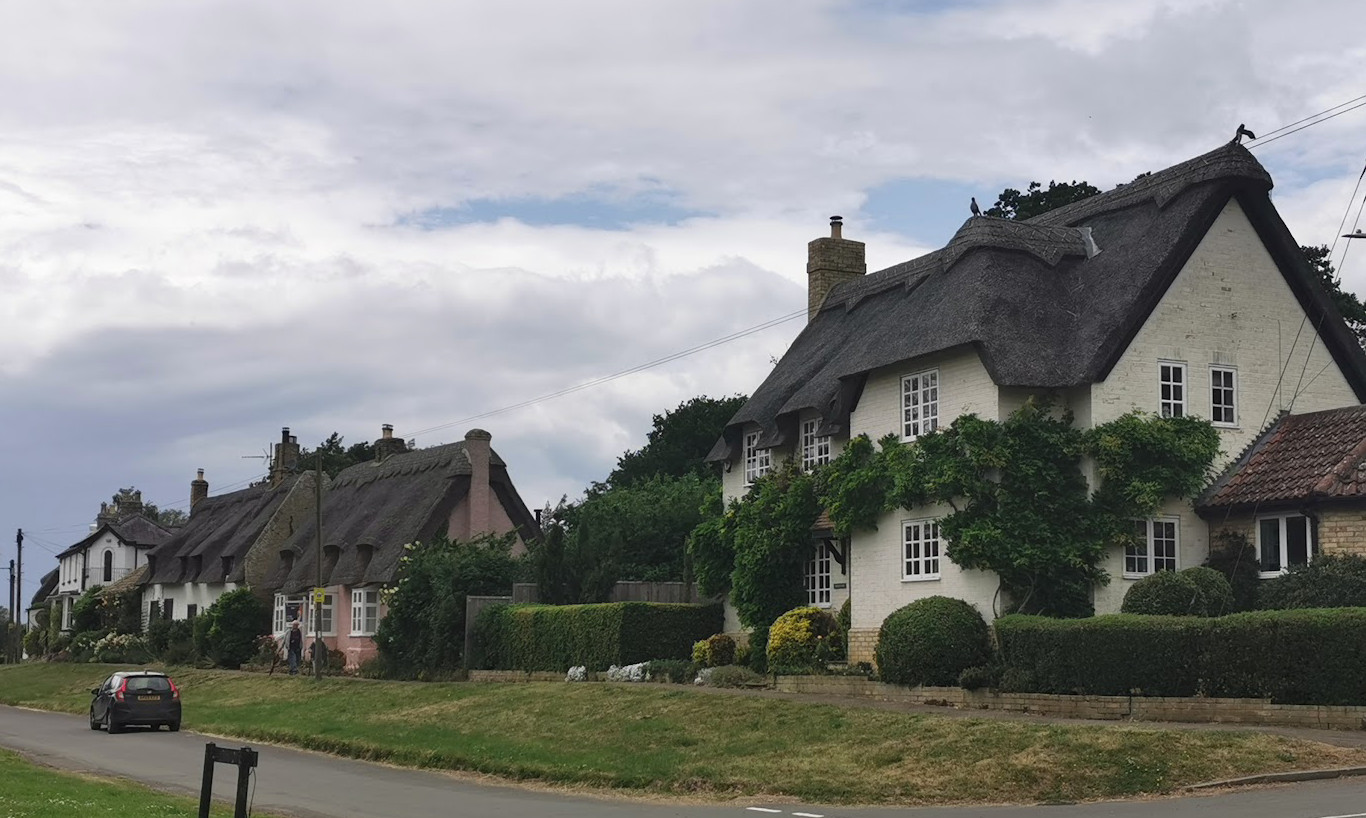
Thatch End, The Front, Holywell (RGL2025)
1911 Reed Cottage
Gilbert Baird Fraser, 45, pianter artist,
May, 34,
Mary Theresa Henrietta Dorothy, 12, b Holywell
Helen Baird Clementina Diglin, 4,
Rupert Baird St Andrew, 2,
1921 High Street
Gilbert Baird Fraser, 56, artist watercolour, b Beds
May née Heseltine, 45, b London
Helen Baird Clementia, 15, b Holywell
Rupert Baird, 12, b Holywell
In 1891 Gilbert was living with his family at Riversview, Hemingford Grey.
One of those who attended the school at Reed Cottage was Joe Newell, author of The Holywell Story. In his book there is a chapter describing the routine at the school as well as the house.
1939
Gilbert B Fraser, b 1865, artist
May, b 1876
Barbara, b 1910
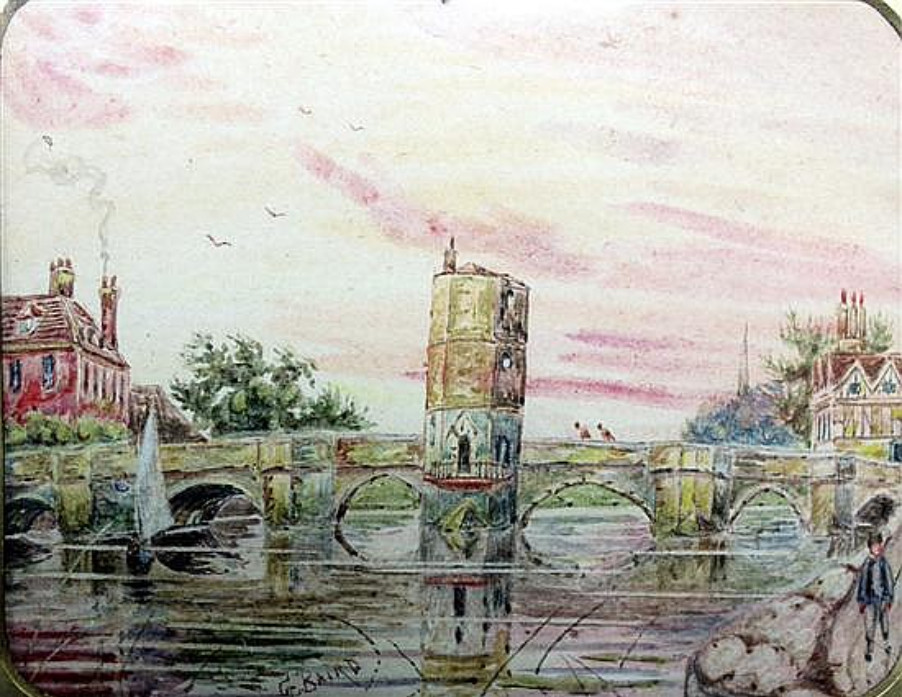
Gilbert Baird Fraser, St Ives Bridge
See article on Fraser family of artists.
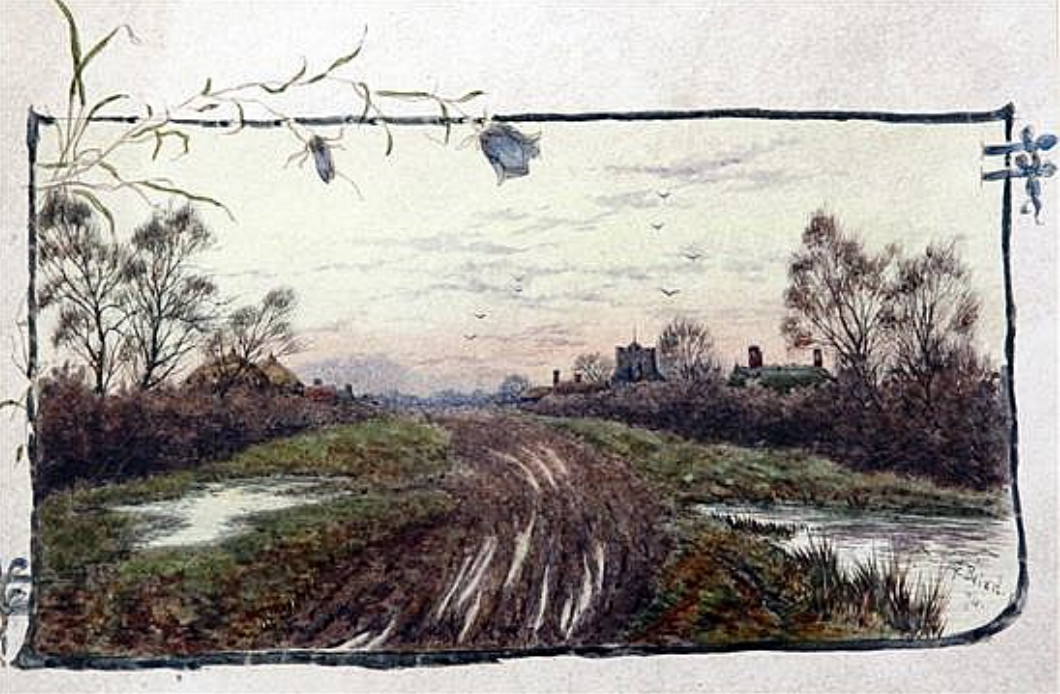
Gilbert Baird Fraser, The Back Lane to Holywell church
In 1975 “Looking Back on a Village 1875 -1975” published these reminiscences about the Frasers:
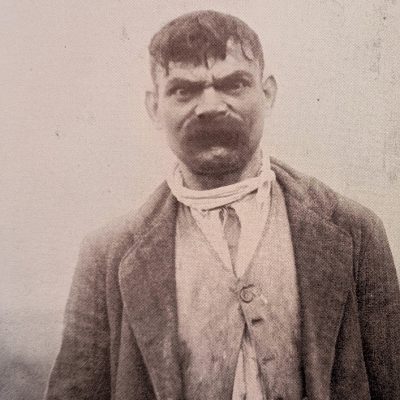
The Frasers from down Holywell … now there was Gilbert Baird Fraser, he didn’t work or anything. He used to wear very old,, fashioned clothes, knickerbocker things. He used to smoke a pipe. He had a very tiny meal that was all he had, a piece of bread and butter, the rest was smoking all day. Mrs Fraser earned all their money, I think, because I don’t think that he ever sold any paintings.
Well you used to go in the house and they didn’t need wallpaper because his paintings completely covered the walls.
My three children went to school with Mrs Fraser, there were my three and two other boys, that’s all she had.
They staged a regatta one year, but they never had it again. They used to call themselves Jacobites, and they went to St Ives to pull Oliver Cromwell off his perch, but they got stopped before they got there.
The Frasers were a family of Scottish descent who came and settled in tis village, most of them were artists … and most of them were broke … very proud … Robert Winter was the best known … Robert Winter Fraser … In my opinion, I think his pictures were the best … McGregor Fraser was an actor. He was very eccentric … I remember as a kid he would sleep all day and walk round the village all night in his shirt sleeves … he died with pneumonia … and Robert Winter died a few weeks later nursing him …
When I say that they were artists, I mean it in the broadest sense of the word, they painted pictures, they acted, they practised most of the artists … a lot of actors used to come down and stay … Florrie Ford and all the old time music hall stars …
And once a year they used to send down some money from Scotland to buy some beer on Oak Apple Day snd there was free beer for all the Jacobites in the village … so on that day all the village was Jacobite ….
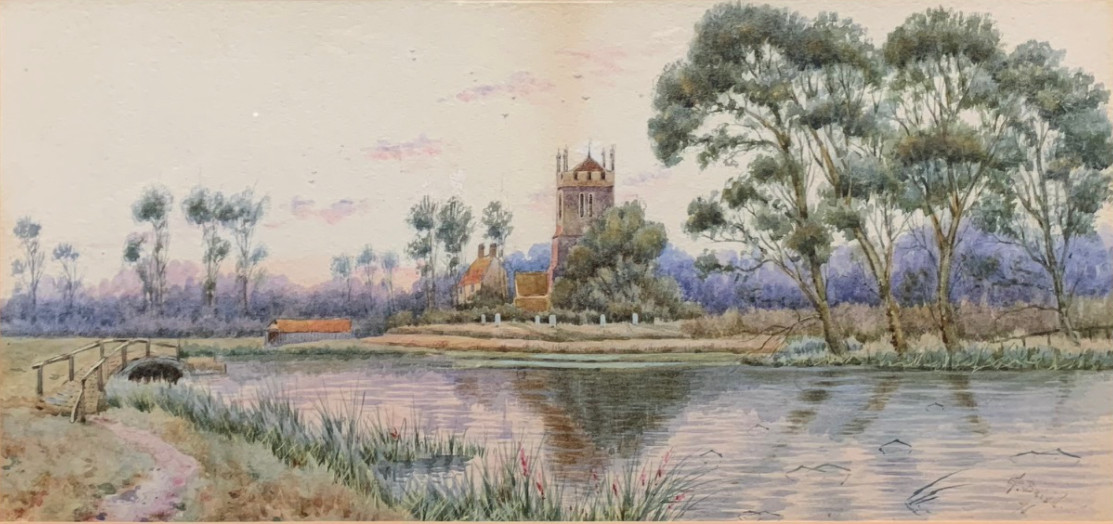
Gilbert Baird Fraser, Church by River
The Art of Gilbert Baird Fraser (1865–1947)
Gilbert Baird Fraser (1865–1947) was a British watercolour artist renowned for his evocative depictions of rural landscapes, particularly those of the Fenlands in East Anglia. He was the youngest member of the Fraser family of artists, a Scottish lineage known for their contributions to British art in the late 19th and early 20th centuries.
Fraser’s works are characterized by loose, warm brushwork and a keen sensitivity to light and atmosphere. His preferred medium was watercolour, through which he captured the tranquil beauty of riverscapes, fenland scenes, and rural vistas. Notably, his style was looser and warmer compared to his brothers’ works.
Some of Fraser’s paintings have appeared in art auctions, reflecting his enduring appeal among collectors of British watercolours. One notable work, ‘Church and Village on a River’, sold at Cheffins in 2011 for £300–£400. Other works, such as ‘A Church on the Great Ouse’, have appeared in auctions with prices ranging from £60 to £100.
The Fraser family, originally from Scotland, settled in Bedford in the latter part of the 19th century. Gilbert’s father, Major Robert Winchester Fraser, was an army surgeon, and his mother, Mary Ann Anderson, raised nine children. Six of the Fraser siblings pursued careers in art, with Gilbert being the youngest and last surviving member of this artistic family.
Gilbert Baird Fraser lived at Reed Cottage on the Front at Holywell, a location that likely inspired many of his river scenes. His works continue to be appreciated for their historical and artistic value, offering a window into the serene landscapes of East Anglia during his lifetime.
Fraser’s paintings occasionally appear at art auctions, with listings on platforms such as Invaluable and MutualArt. His work remains a valuable example of British watercolour artistry from the late 19th and early 20th centuries. (AI 2025)
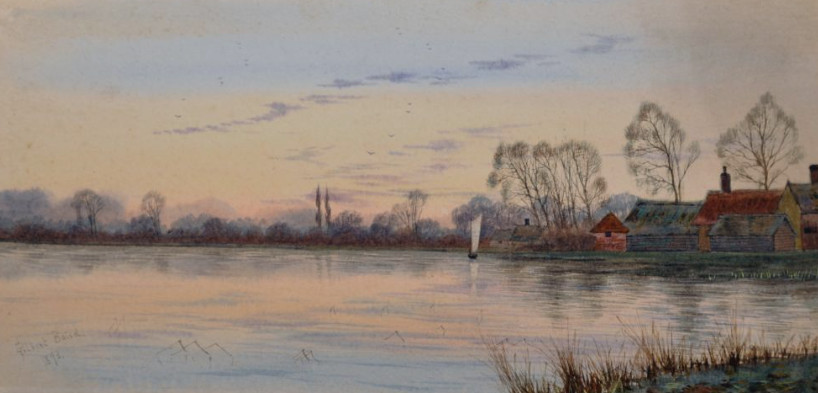
Gilbert Baird Fraser, River Landscape
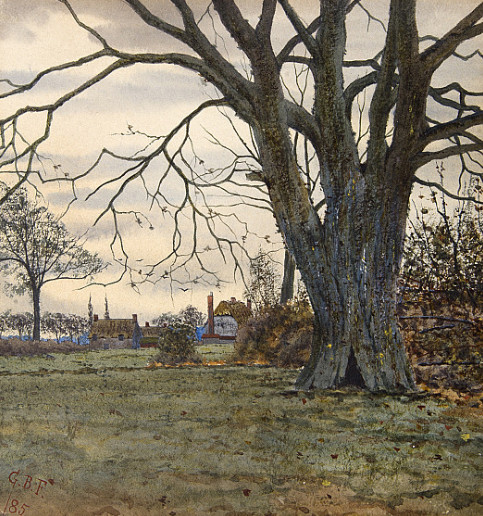
Gilbert Baird Fraser, The Ancient Tree
See also chapter 3 of The Holywell Story by Joe Newell, 1991, The Artists of Holywell.
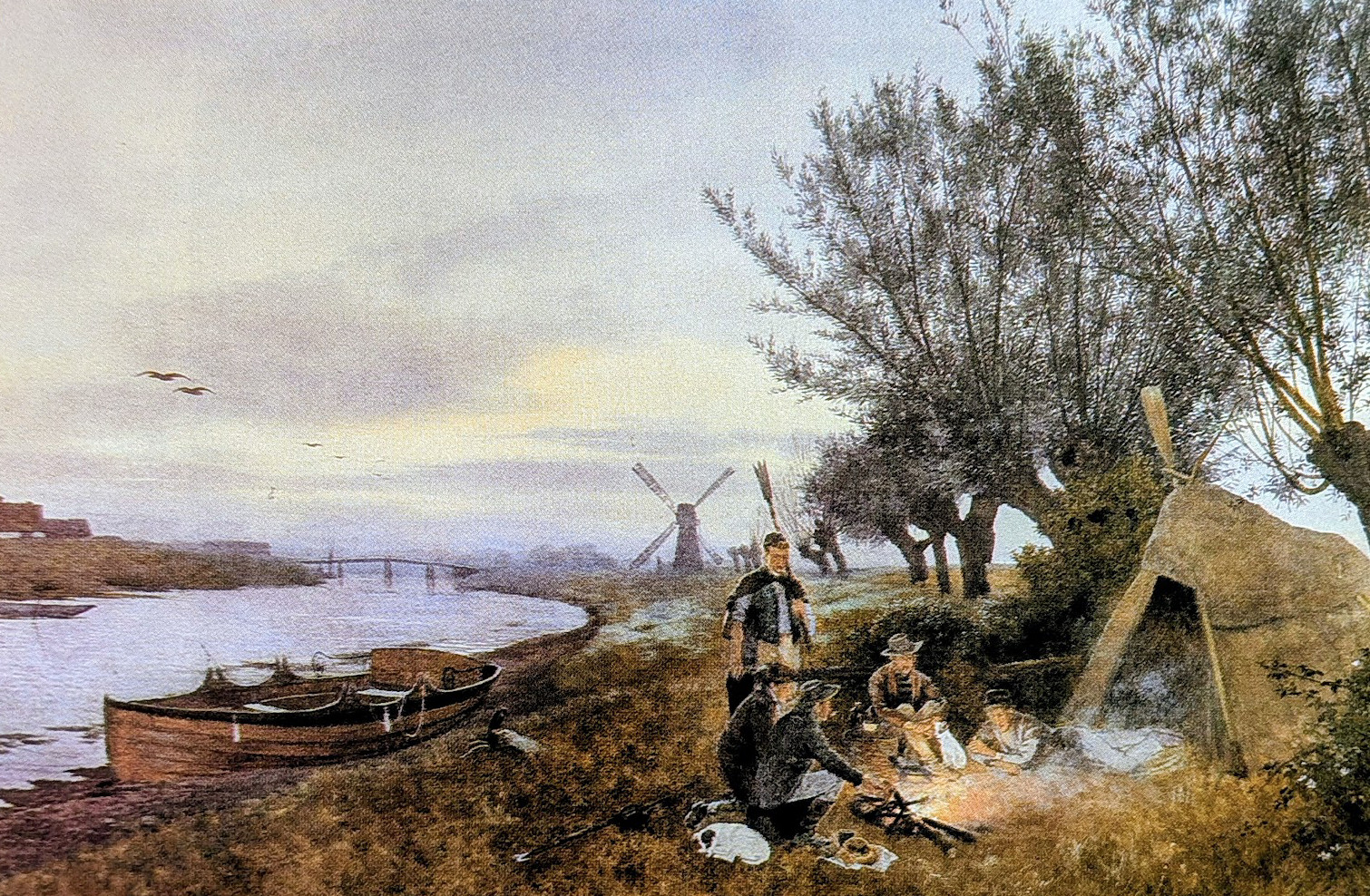
Fraser brothers at camp by George Gordon Fraser
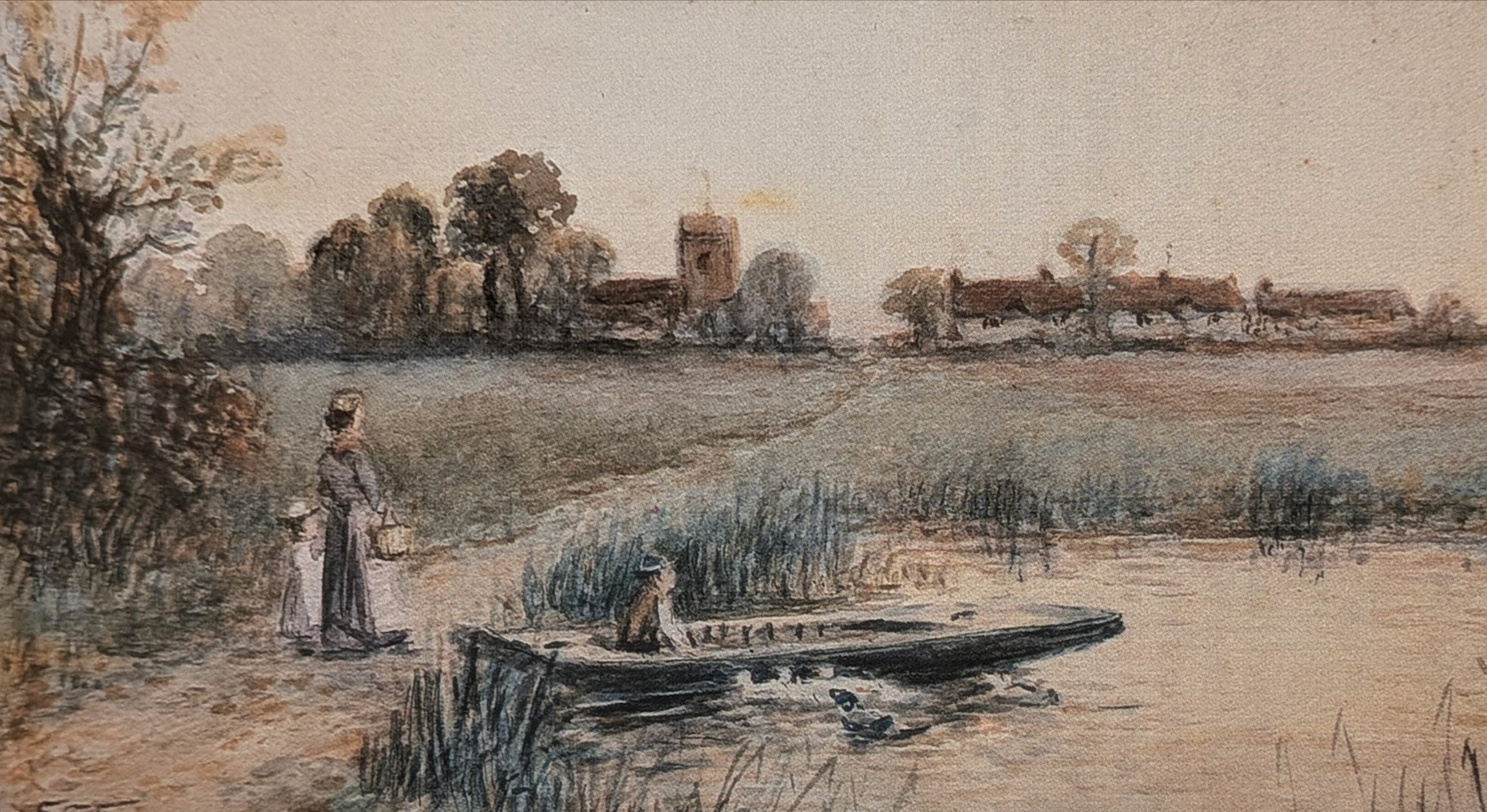
Landscape by Francis Gordon Fraser
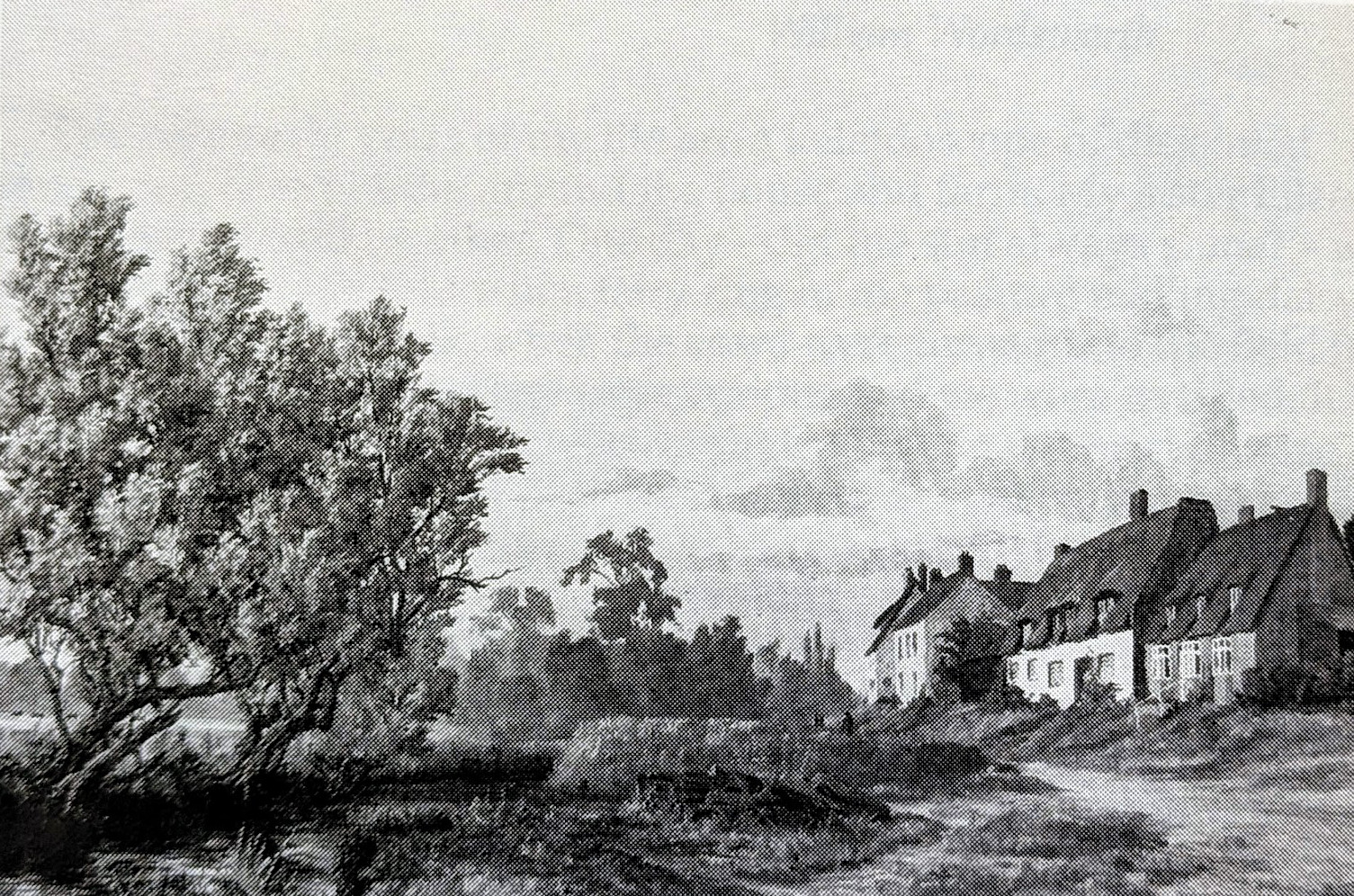
Reed Cottage School, Holywell, by Ralph Hopton
Projects
Contribute
Do you have any information about the people or places in this article? If so, then please let us know using the Contact page or by emailing capturingcambridge@
Licence
This work is licensed under CC BY-NC-SA 4.0