Search by topic
- archaeology
- Building of Local Interest
- chapel
- charity
- church
- crime
- dressmaker
- fire
- Great Eastern Railway
- Listed building
- Mapping Relief
- medieval
- oral history
- poverty
- Public House
- Religious House
- Roman
- scholar
- school
- Then and Now
- tudor
- women
- work
- world war one
- world war two
Search by text
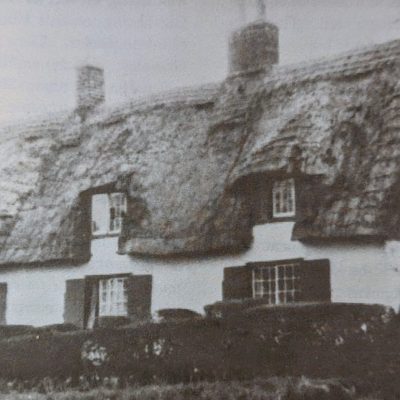
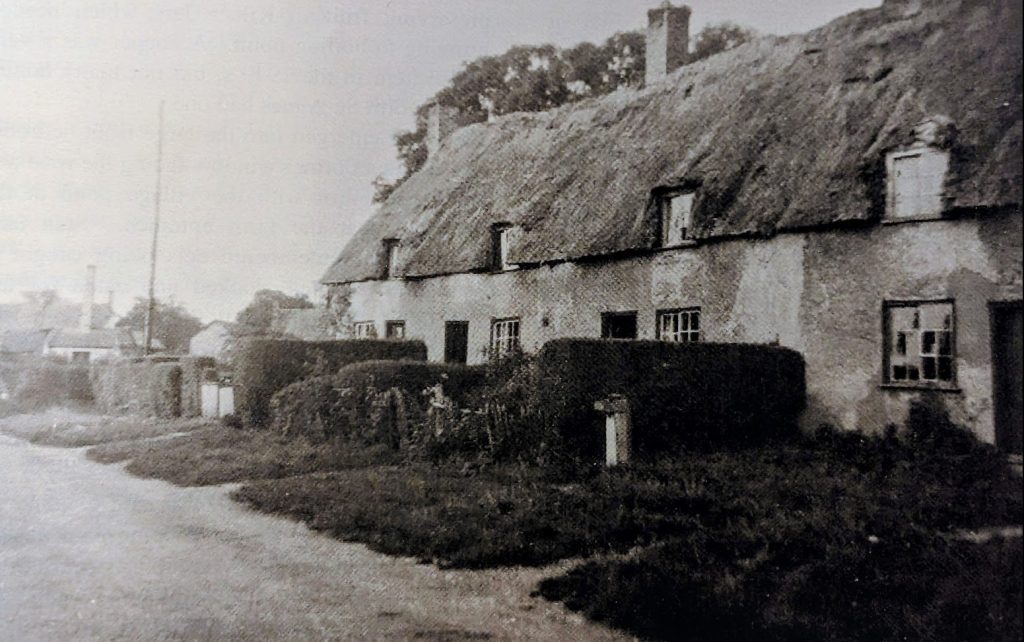 Cottages facing Passhouse Farm, Papworth St Agnes
Row of Cottages facing Passhouse farm, Papworth St Agnes
History of cottages facing Passhouse Farm
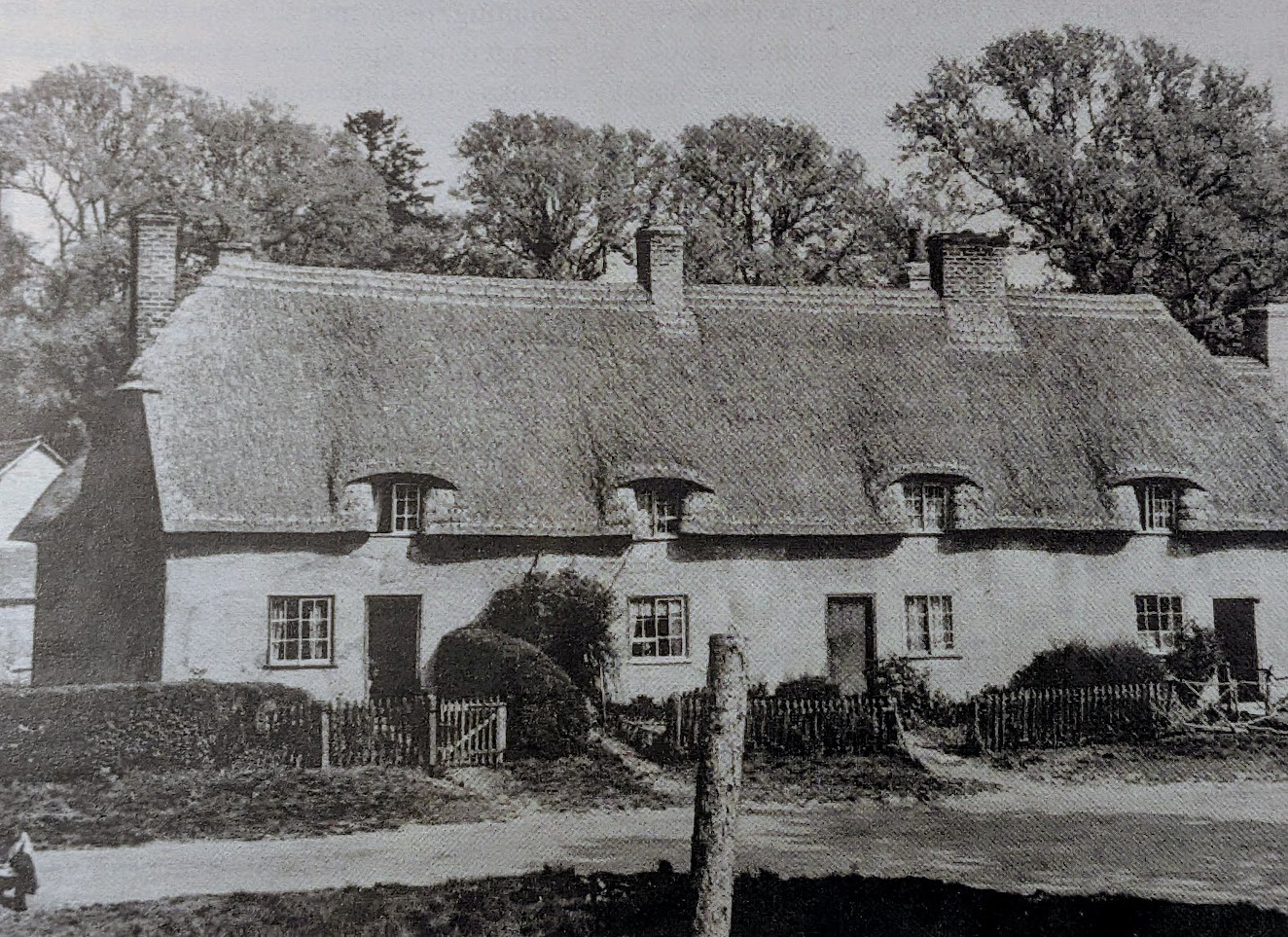
Cottages opposite Passhouse Farm
Labelled by Dora Tack nos 9-12 on diagram of village.
From the north of the row:
(1) lathe and plaster, thatched roof, 4 rooms
1942
Edward Webb (Ted), carpenter at Papworth Industries, died 1971
Lily Webb (Lil), wife
June, daughter,
Myrtle, daughter, d 1946
Cecil Evan, evacuee by private arrangement
(2) lathe and plaster, thatched roof, four rooms
1942
Samuel Reed (sam), Frank tack’s cousin
Emily May Reed (May, wife had been a widow
Violet Reed (Baby Violet) , daughter of May and Sam
William Mullender (Willie), son of Emily and Mr Mullender, agricultural worker
Irene Mullender (Rene), daughter, factory worker at papworth Industries
Joseph Mullender (Joe), son, he pumped the organ for Mrs Sperling at the parish church
(3) lathe and plaster, thatched roof, five rooms
1942
Sarah Haynes née Fox, widow of James the horsekeeper, then cowman for Arthur Sperling. Sarah was blind.
Ronald Haynes (Ron), son, tractor driver for james Billings.
(4) lathe and plaster, thatched roof, 6 rooms
1942
Victor Rossin (Vic), son of Fred Rossin of Passhouse Farm., lorry driver
May Rossin, wife,
Thelma,
Hazel,
Colin,
Rosita, b 1943
John, born later
After the Rossins left Hugh and Ruby Topham née Mott moved to the cottage. Ruby worked with Dora Tack.
All these cottages were demolished and replaced by new houses.
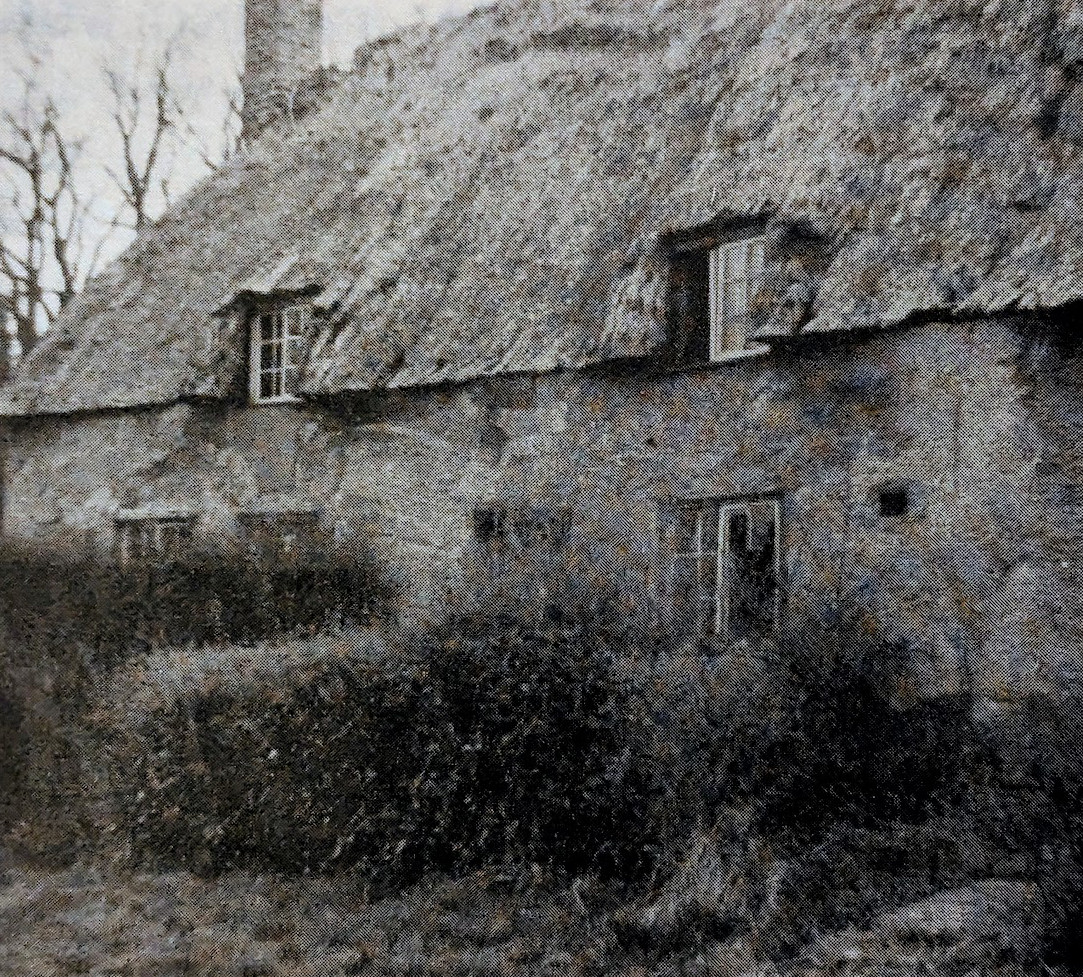
Cottages just before demolition
Projects
Contribute
Do you have any information about the people or places in this article? If so, then please let us know using the Contact page or by emailing capturingcambridge@
Licence
This work is licensed under CC BY-NC-SA 4.0