Search by topic
- archaeology
- Building of Local Interest
- chapel
- charity
- church
- crime
- dressmaker
- Great Eastern Railway
- Listed building
- Mapping Relief
- medieval
- oral history
- poverty
- Public House
- railway worker
- Religious House
- Roman
- scholar
- school
- Then and Now
- tudor
- women
- work
- world war one
- world war two
Search by text


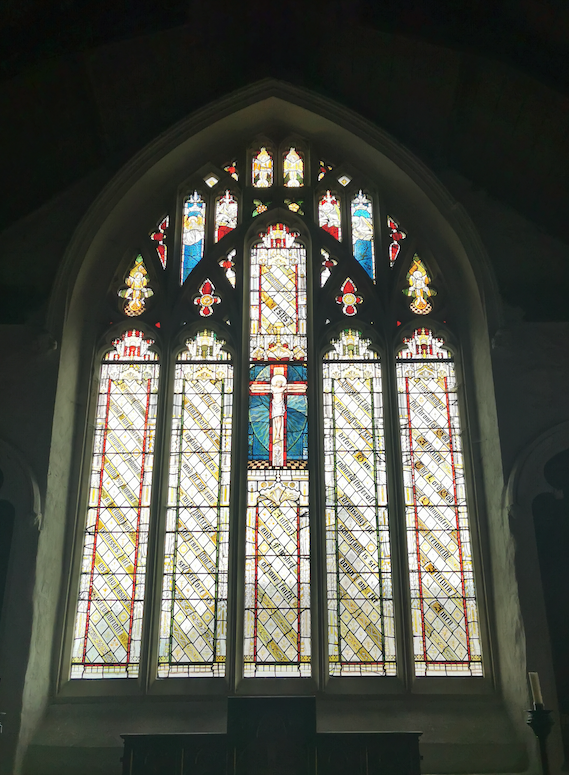 Chancel window, All Saints Barrington (RGL 2022)
All Saints, Barrington
History of All Saints
Parish Church. Nave, chancel and north and south aisles, early C13. West tower early C13, C14 and completed C15. North aisle enlarged and clerestorey added late C14. Dressed clunch, and some limestone. Roman cement render to some of the clunch.
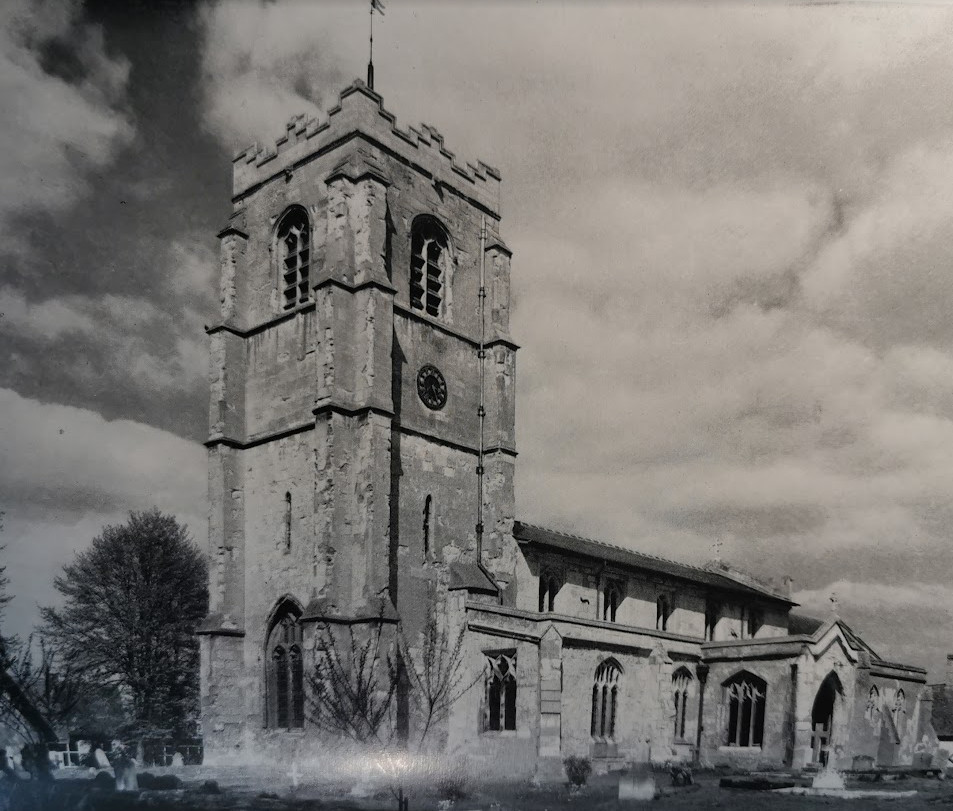
Barrington church (RCHM)
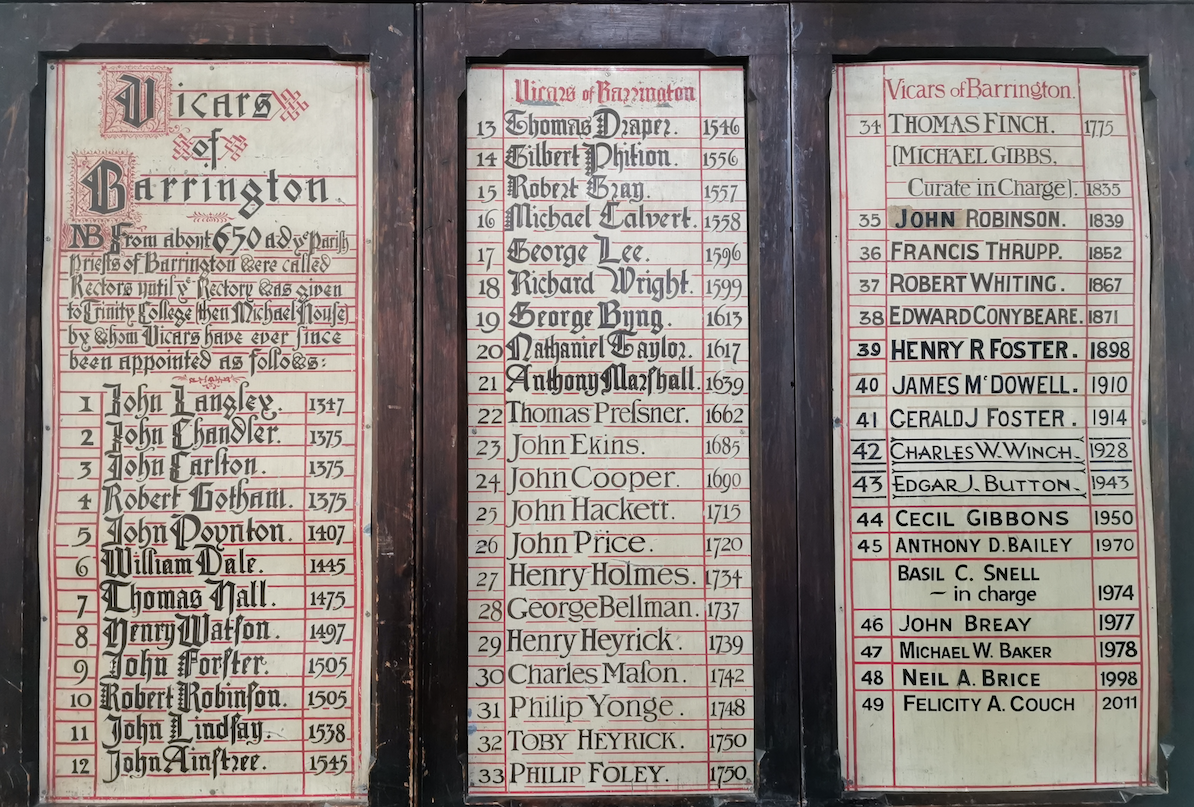
All Saints Barrington (RGL 2022)

All Saints Barrington (RGL 2022)
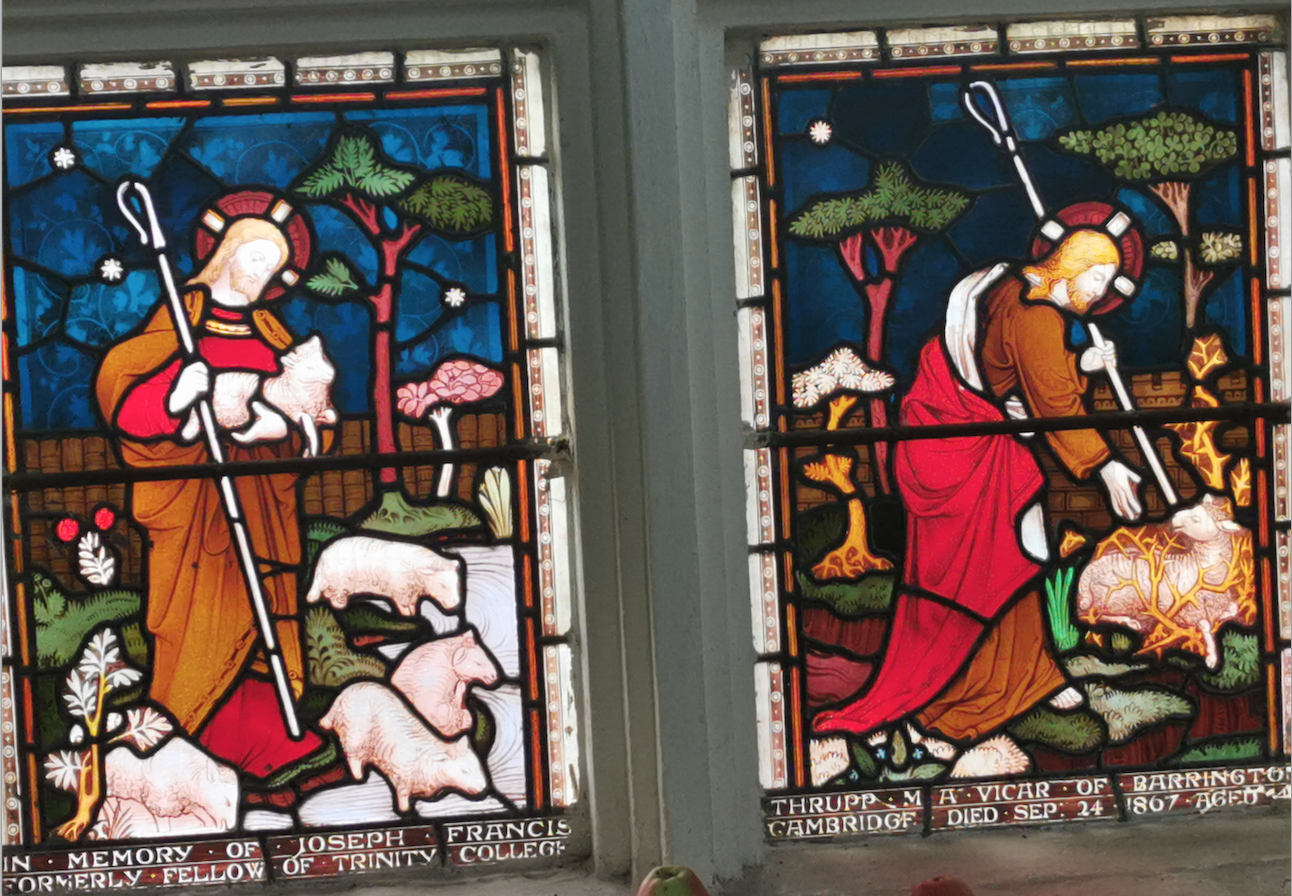
All Saints Barrington (RGL 2022)

All Saints Barrington (RGL 2022)
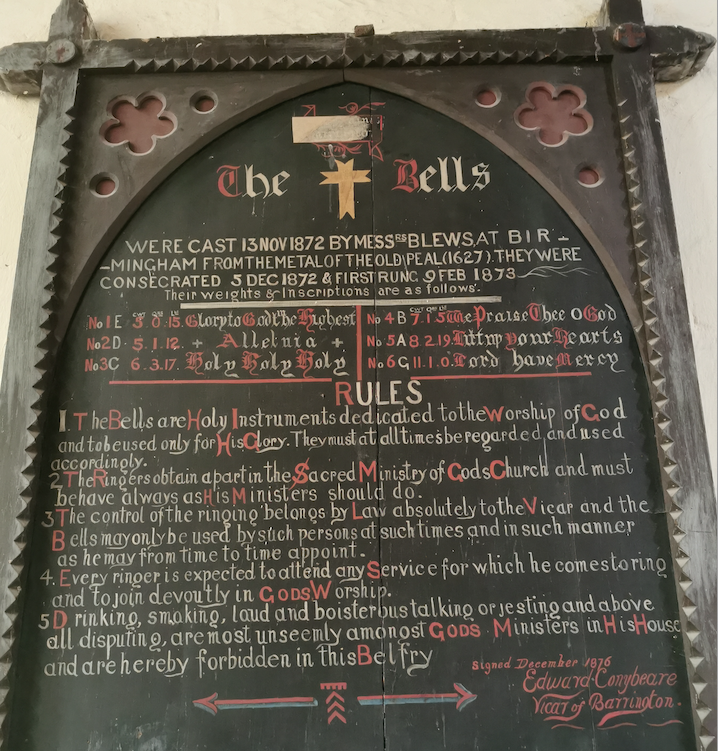
All Saints Barrington (RGL 2022)
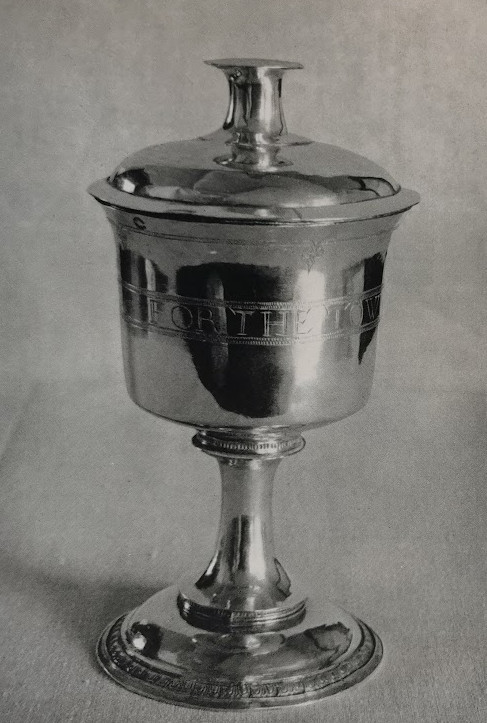
Cup by Thomas Buttell 1569, Barrington Church (RCHM)
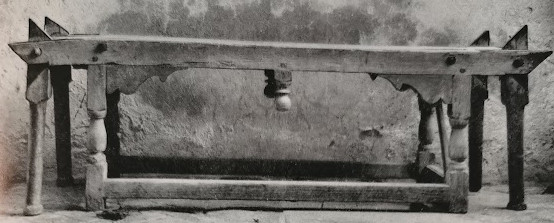
Barrington church bier (RCHM)
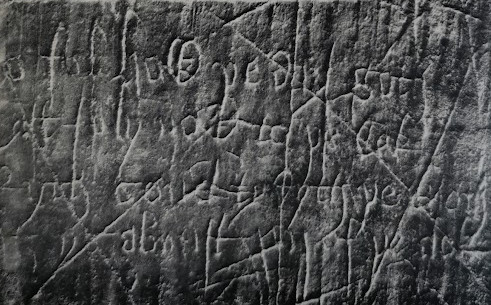
Barrington church, late medieval scratching (RCHM)
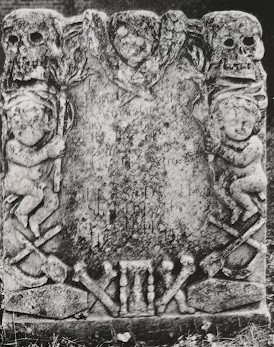
Barrington church monument 1717 (RCHM)
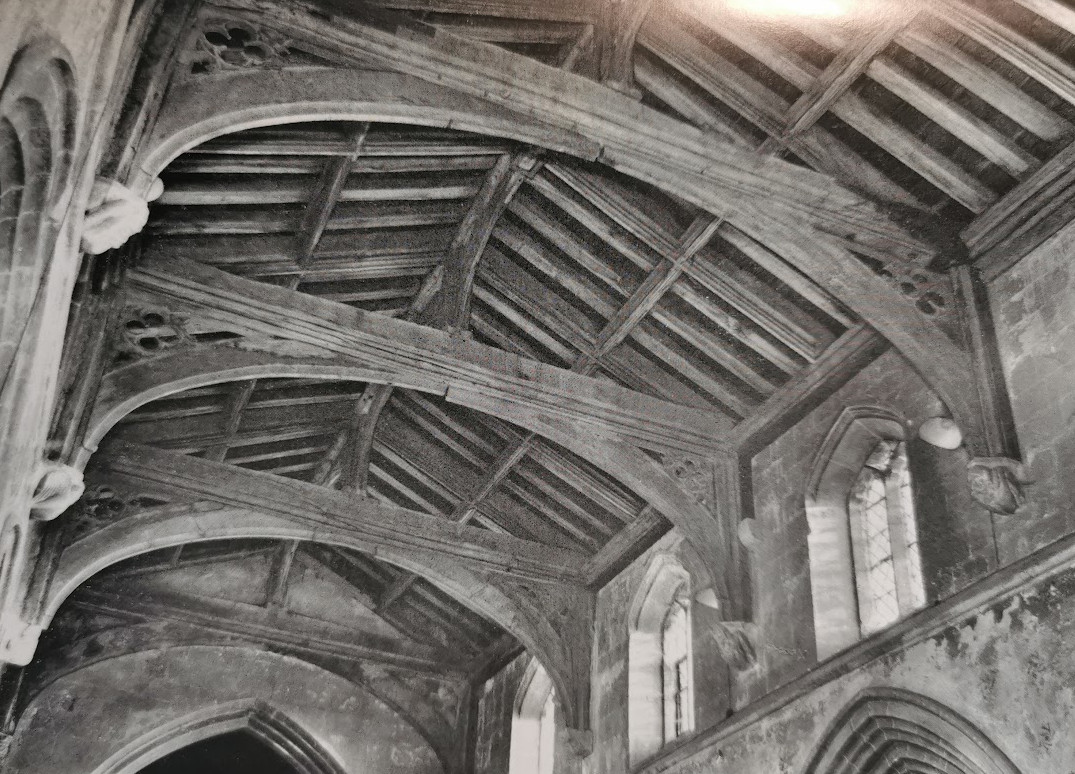
Barrington church nave (RCHM)
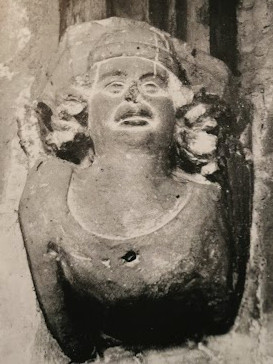
Barrington church corbel late 14th cent. (RCHM)
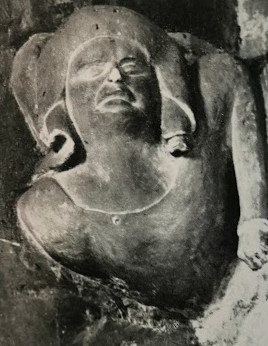
Barrington church corbel late 14th cent. (RCHM)
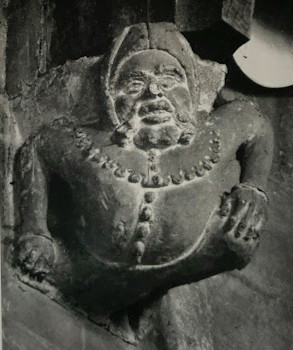
Barrington church corbel late 14th cent. (RCHM)
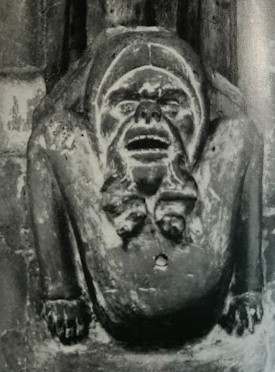
Barrington church corbel late 14th cent. (RCHM)
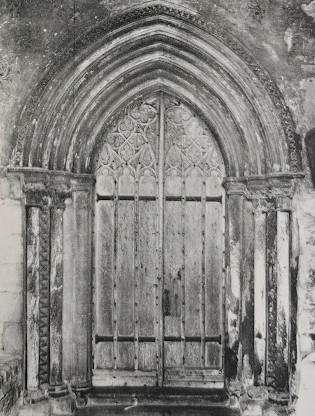
Barrington church, 13th cent. (RCHM)
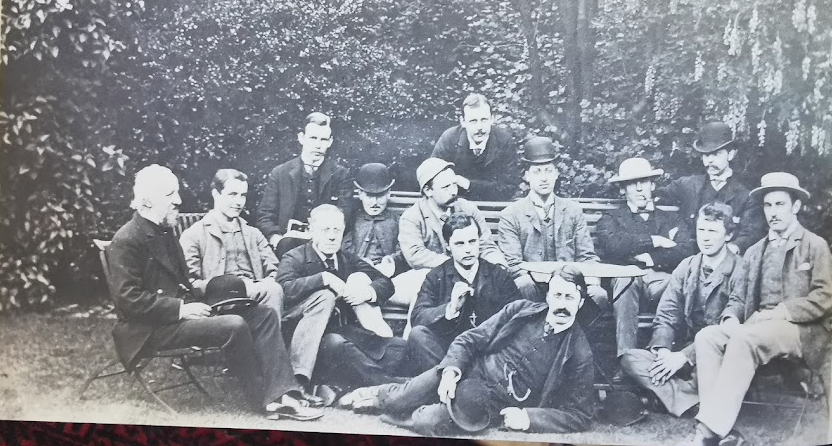
Barrington Village, May 1885
Fifth figure from right on seat is Prince Edward, later Edward VII. Smoking pipe is J K Stephen. On far left is J W Clark, Registrar of University, C V Stanford is lying on grass and on extreme right is H C Goodhart, St John’s College librarian.
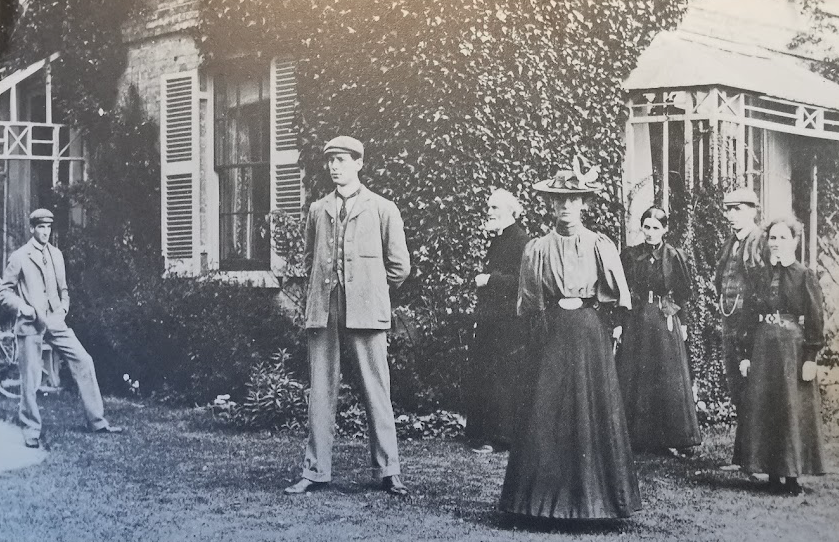
Rev E Conybeare and family at Barrington Village c.1890. James, left, became Provost of Southwell, and Alfred, Vice-Provost of Eton.
For Mary Greene’s reminiscences of Barrington and the Conybeares, see her autobiography, The Joy of Remembering.
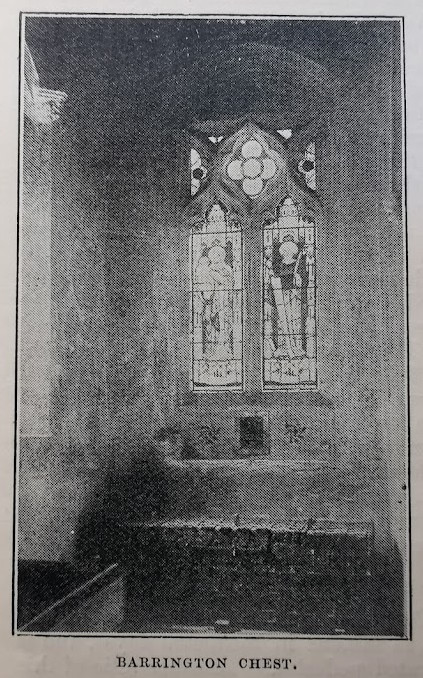
Chest, Barrington Church c.1902
Projects
Contribute
Do you have any information about the people or places in this article? If so, then please let us know using the Contact page or by emailing capturingcambridge@
Licence
This work is licensed under CC BY-NC-SA 4.0