Search by topic
- archaeology
- Building of Local Interest
- chapel
- charity
- church
- crime
- dressmaker
- Great Eastern Railway
- Listed building
- Mapping Relief
- medieval
- oral history
- poverty
- Public House
- railway worker
- Religious House
- Roman
- scholar
- school
- Then and Now
- tudor
- women
- work
- world war one
- world war two
Search by text


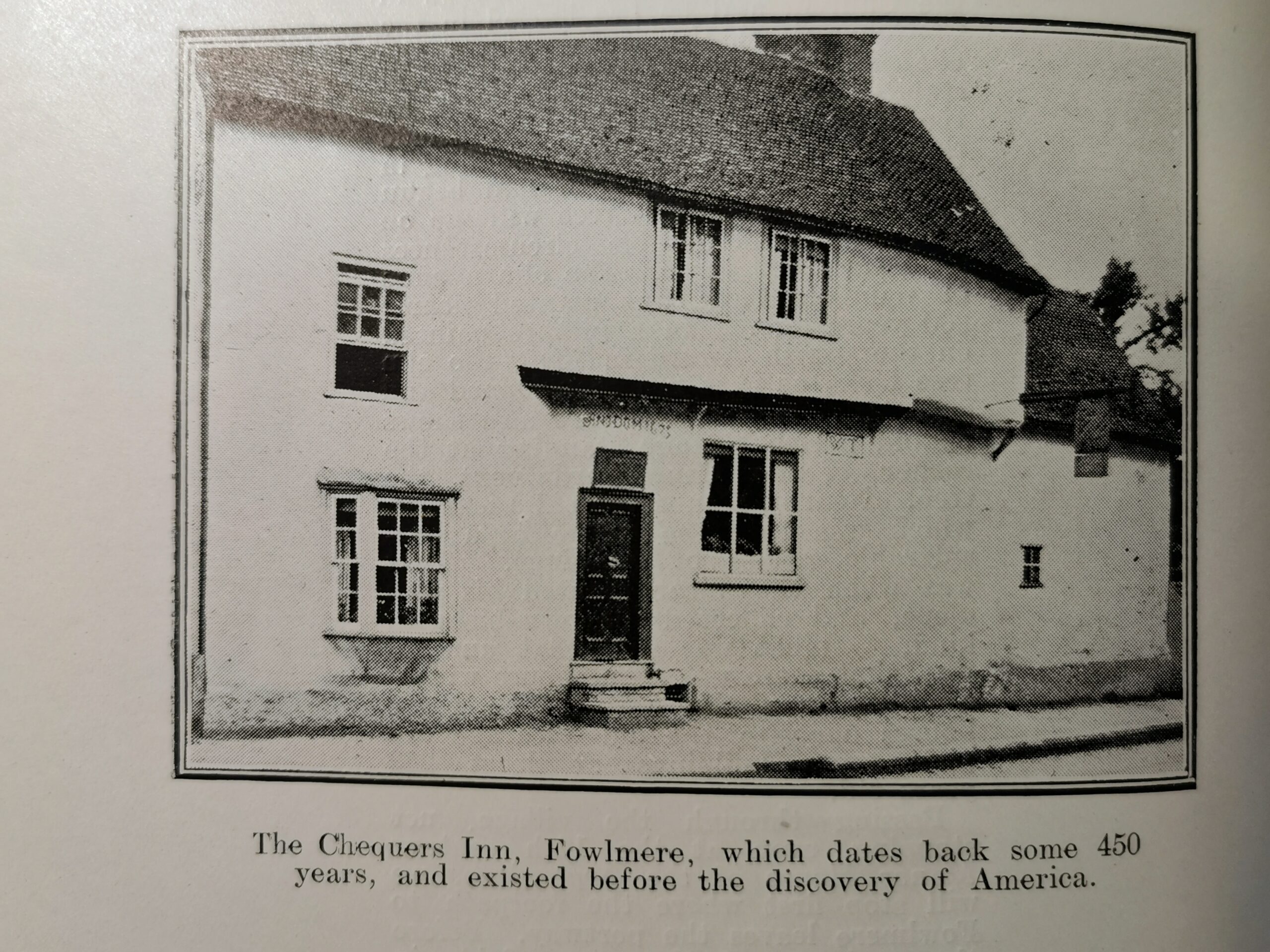 Chequers, Fowlmere (1923 Cambridge Chron.)
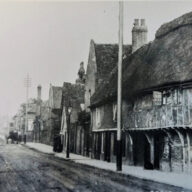
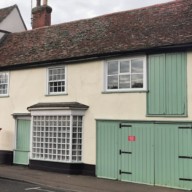
The Chequers, Fowlmere
Histry of the Chequers
Listed Building
Inn. Late C15 or early C16 with C17 additions. Inscription below jetty ‘ANO DOM 1675 WT’. T
1660
Samuel Pepys stayed here, 24th February, one day after his 27th birthday. Pepys wrote, ‘ Then up again as far as Foulmer, within six miles of Cambridge, my mare being almost tired; here we lay at the Chequer, playing at cards til supper, which was a breast of veal roasted. I lay with Mr Pierce, who we left here the next morning upon his going to Hinchingbrooke to speak with my Lord before his going to London: and we two came to Cambridge by eight o’clock in the morning to the Faulcan in the Petty Cury.’
In 1923 W M Palmer wrote (Cambridge Chronicle):
When it was first built it was the largest house in the village, with many stables and outbuildings. The oak brackets of the upper storey were carved with images of the Virgin Mary or saints. …. under the carved cornice which you still see, mine host must have obsequiously met the rich merchant or fully accoutered knight, papal nuncio or king’s poursuivant. On March 12th, 1485, King Henry VII passed by it, and in 1520 Cardinal Wolsey came this way.
1871
Richard Papworth, 82, farmer & innkeeper 90 acres employing 2 men, b Cottenham
The Chequers today (2022) has various photos and memorabilia related to the RAF in WWII.
Projects
Contribute
Do you have any information about the people or places in this article? If so, then please let us know using the Contact page or by emailing capturingcambridge@
Licence
This work is licensed under CC BY-NC-SA 4.0