Search by topic
- archaeology
- Building of Local Interest
- chapel
- charity
- church
- crime
- dressmaker
- Great Eastern Railway
- Listed building
- Mapping Relief
- medieval
- oral history
- poverty
- Public House
- railway worker
- Religious House
- Roman
- scholar
- school
- Then and Now
- tudor
- women
- work
- world war one
- world war two
Search by text


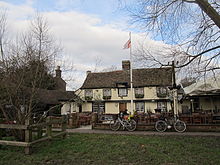
Fort St George
History of Fort St George, Midsummer Common
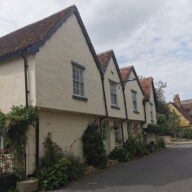
This Grade II listed building dates in part from the 16th century. It was supposed to bear a resemblance to the East India Company’s Fort St George at Madras, India.
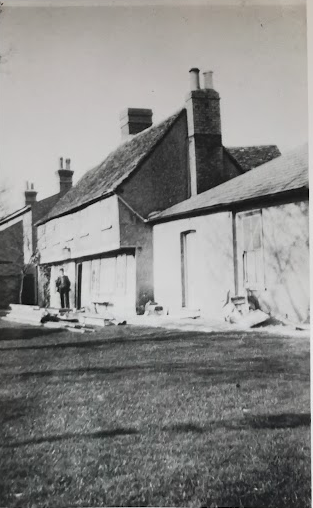
Fort St George, c1920 (MoC1299.86c)
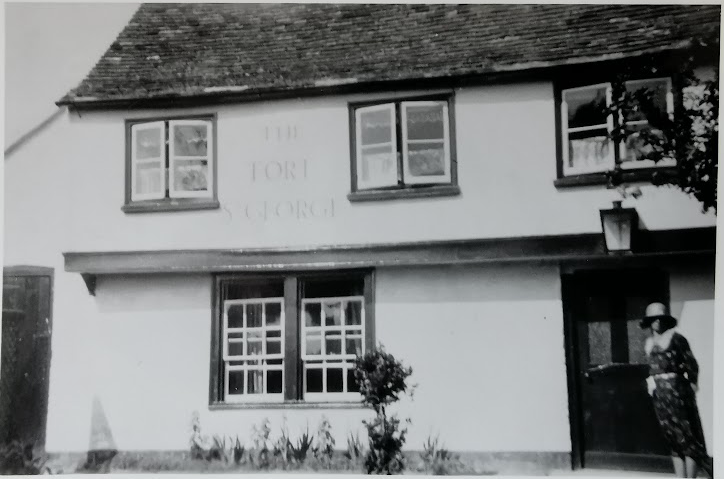
Fort St George c1920 (MoC1299.86A)
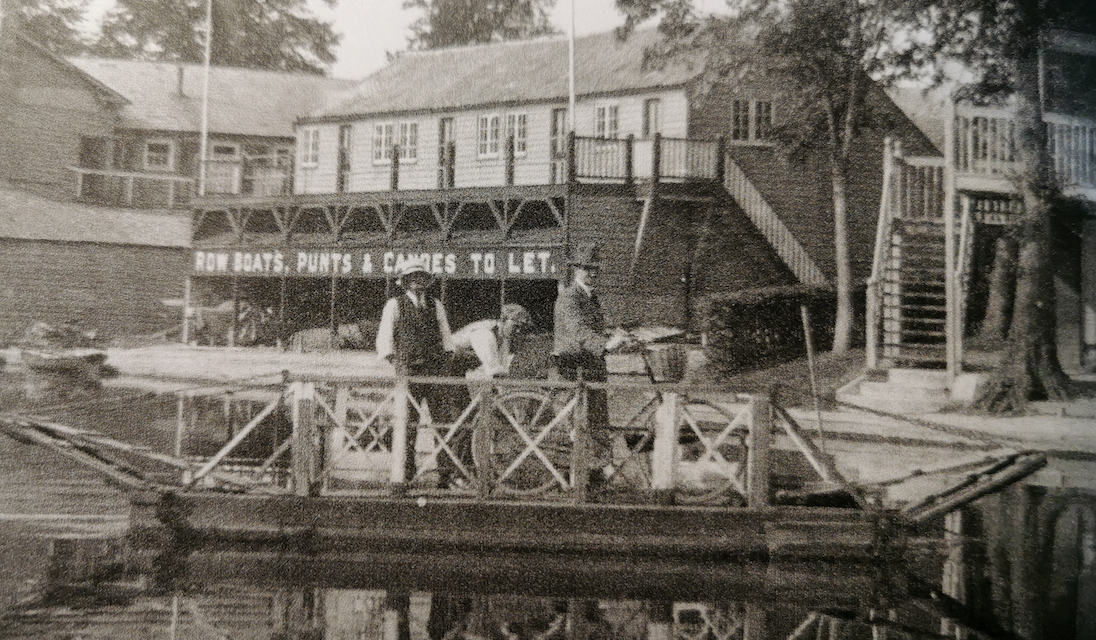
Fort St George Ferry, 1926 (photo H D Latter) (Cambridgeshire Collection)
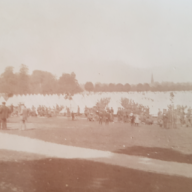
The Fort St George ferry was probably the busiest of all the river crossings, running from 8 a.m. to 10 p.m. In the 1920s the fare was halfpenny each way. A bridge replaced it in 1927.
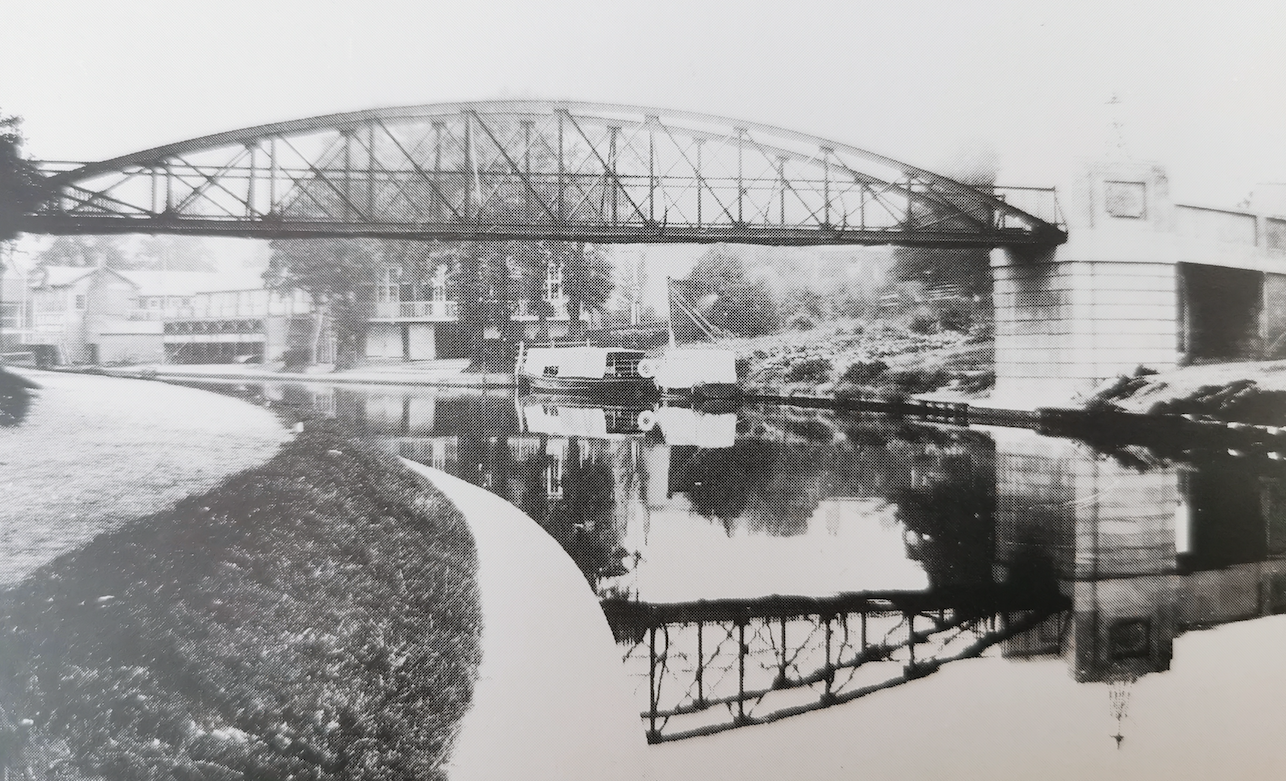
Fort St George footbridge, opened 1927. Picture 1928 (Cambridgeshire Collection)
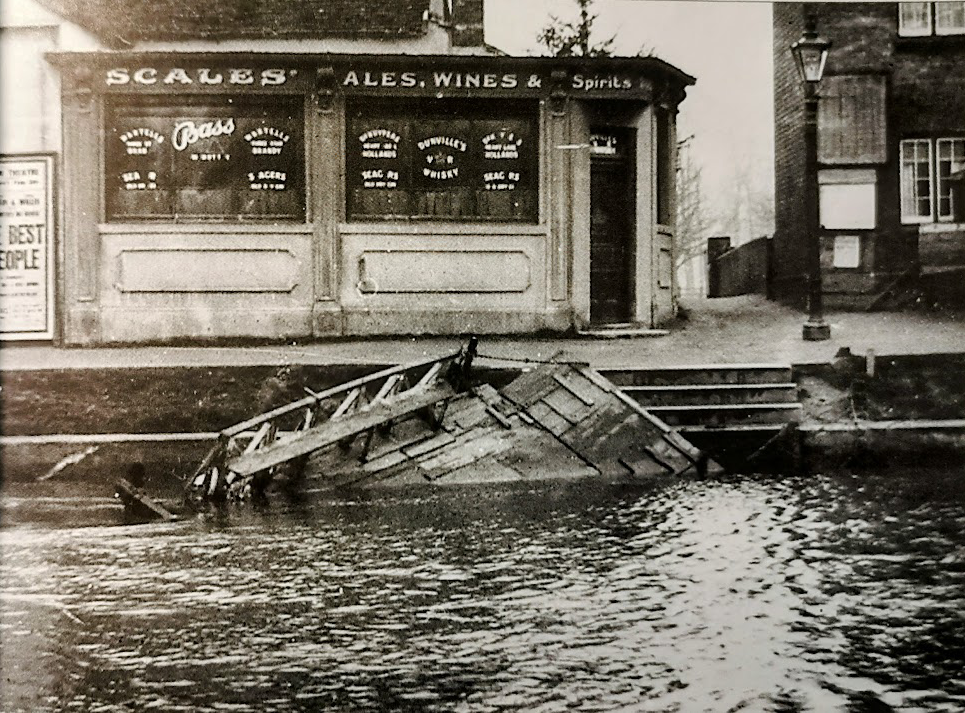
Fort St George ferry after sinking, 1927 (Cambridgeshire Collection)
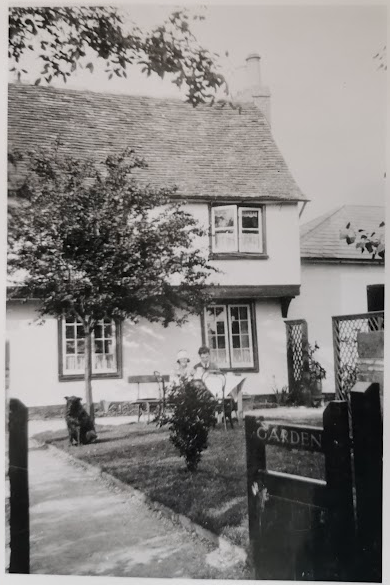
Fort St George c1920 (MoC1299.86A)
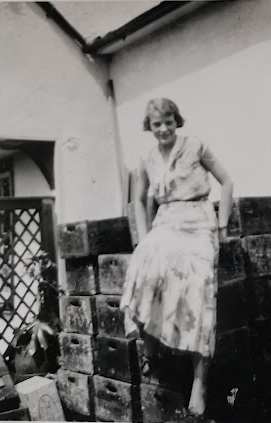
Fort St George c1920, landlord’s wife (MoC1299.86E)
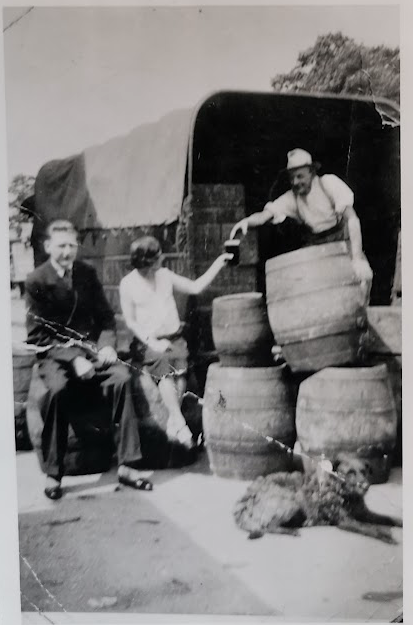
The Fort St George (MoC299.86A)
Wikipedia article at: https://en.wikipedia.org/wiki/Fort_St_George_In_England
1959 Royal Commission on Historical Monuments Survey of Cambridge: the walls are of plastered timber-framing in part refaced or rebuilt in brick; the roofs are tiled. It was built in the 16th cent. on a T-shaped plan, the cross range having been to the S. … sketch dated 1827 in the inn shows that it stood on an island between the river and a cut to a lock close SE.
Enid Porter in Cambridgeshire Customs and Folklore p223 described the traditional games of ringing the Bull still played at the time at the Fort St George and the Blue Ball in Grantchester.
A iron ring, about 2 inches in diameter is suspended from the ceiling some distance in front of an iron hook fixed in the wall at a height of about 6 feet from the floor.
1904 CDN 19 Nov 1904: Several ferries crossed the river between Cambridge and Chesterton. But this posed problems: No reasonable person expects to find a ferryman on duty after ten at night and is reconciled to the necessity of grinding himself across the few yards of water.
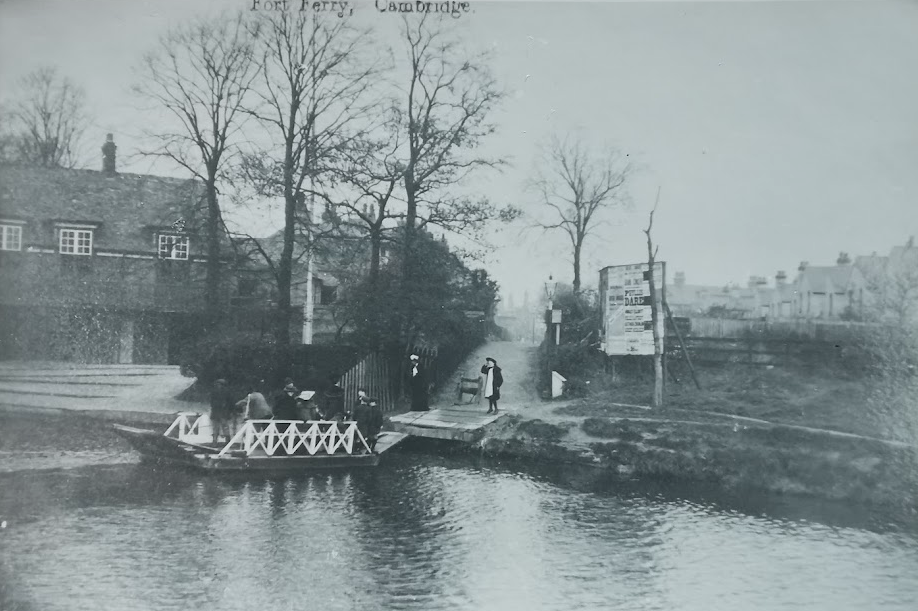
Fort St George Ferry, c. 1906 (MoC108/72)
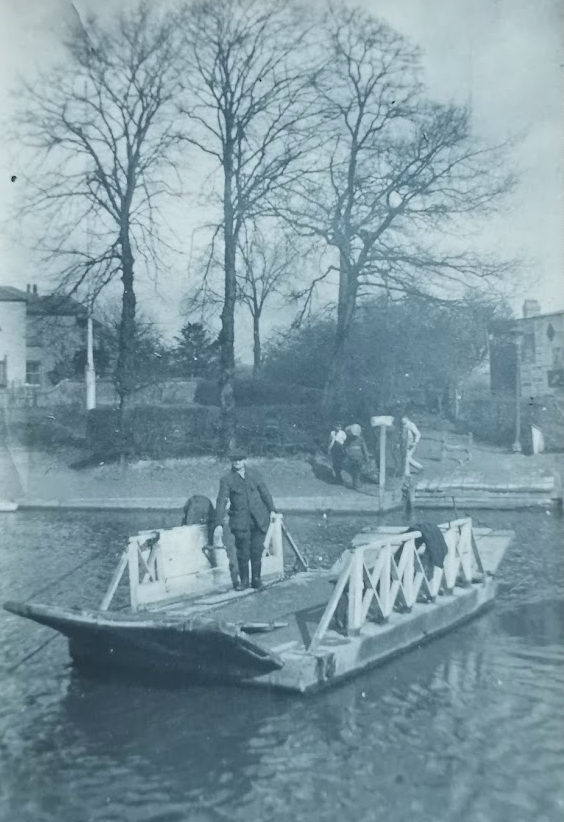
Fort St George 1927 (MoC184/54)
Projects
Contribute
Do you have any information about the people or places in this article? If so, then please let us know using the Contact page or by emailing capturingcambridge@
Licence
This work is licensed under CC BY-NC-SA 4.0