Search by topic
- archaeology
- Building of Local Interest
- chapel
- charity
- church
- crime
- dressmaker
- Great Eastern Railway
- Listed building
- Mapping Relief
- medieval
- oral history
- poverty
- Public House
- railway worker
- Religious House
- Roman
- scholar
- school
- Then and Now
- tudor
- women
- work
- world war one
- world war two
Search by text


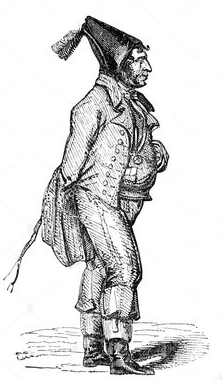 'Jemmy' Gordon
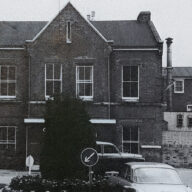
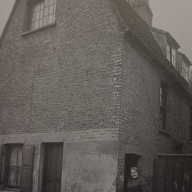
Barnwell Workhouse
History of the Barnwell Workhouse
The website workhouses.org.uk contains the following about the workhouse in Barnwell:
During the eighteenth century, the poor of Holy Sepulchre benefited from a bequest made in 1710 by Mr James Lowry. Part of the income from this charity was used for renting five cottages at the back of the Round Church to act as a workhouse. In 1813, the parish gave up these tenements and two years later paid £60 for part of the Geldart estate in Barnwell on which a workhouse was erected. The site had a forty-foot frontage on Staffordshire Place (now Staffordshire Street) running back 276 feet to Albert Street (now Young Street). In 1816, the parish of St Mary the Less paid Holy Sepulchre for a share in the premises.
In 1836, after the creation of the Cambridge and Chesterton poor law unions, the workhouse was used for a few years to house around a dozen sick and infirm paupers.
Baker’s map of 1830 shows the Workhouse as described.
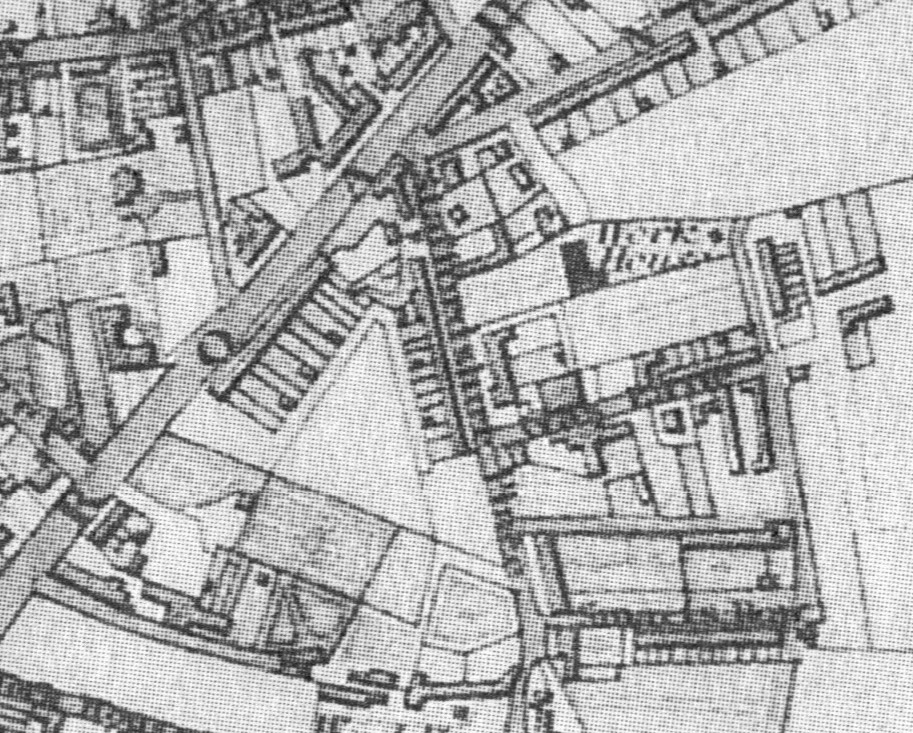
Excerpt from Baker’s Map 1830 showing East Road and Staffordshire Place
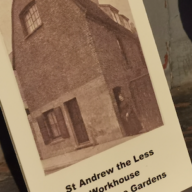
Note at the bottom of the map except shown is St Andrew the Less Workhouse.
Projects
Contribute
Do you have any information about the people or places in this article? If so, then please let us know using the Contact page or by emailing capturingcambridge@
Licence
This work is licensed under CC BY-NC-SA 4.0