Search by topic
- archaeology
- Building of Local Interest
- chapel
- charity
- church
- crime
- dressmaker
- Great Eastern Railway
- Listed building
- Mapping Relief
- medieval
- oral history
- poverty
- Public House
- railway worker
- Religious House
- Roman
- scholar
- school
- Then and Now
- tudor
- women
- work
- world war one
- world war two
Search by text


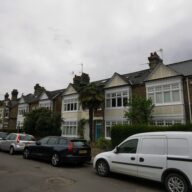
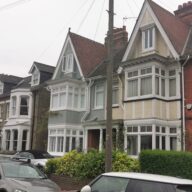
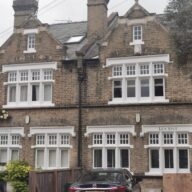
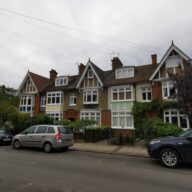
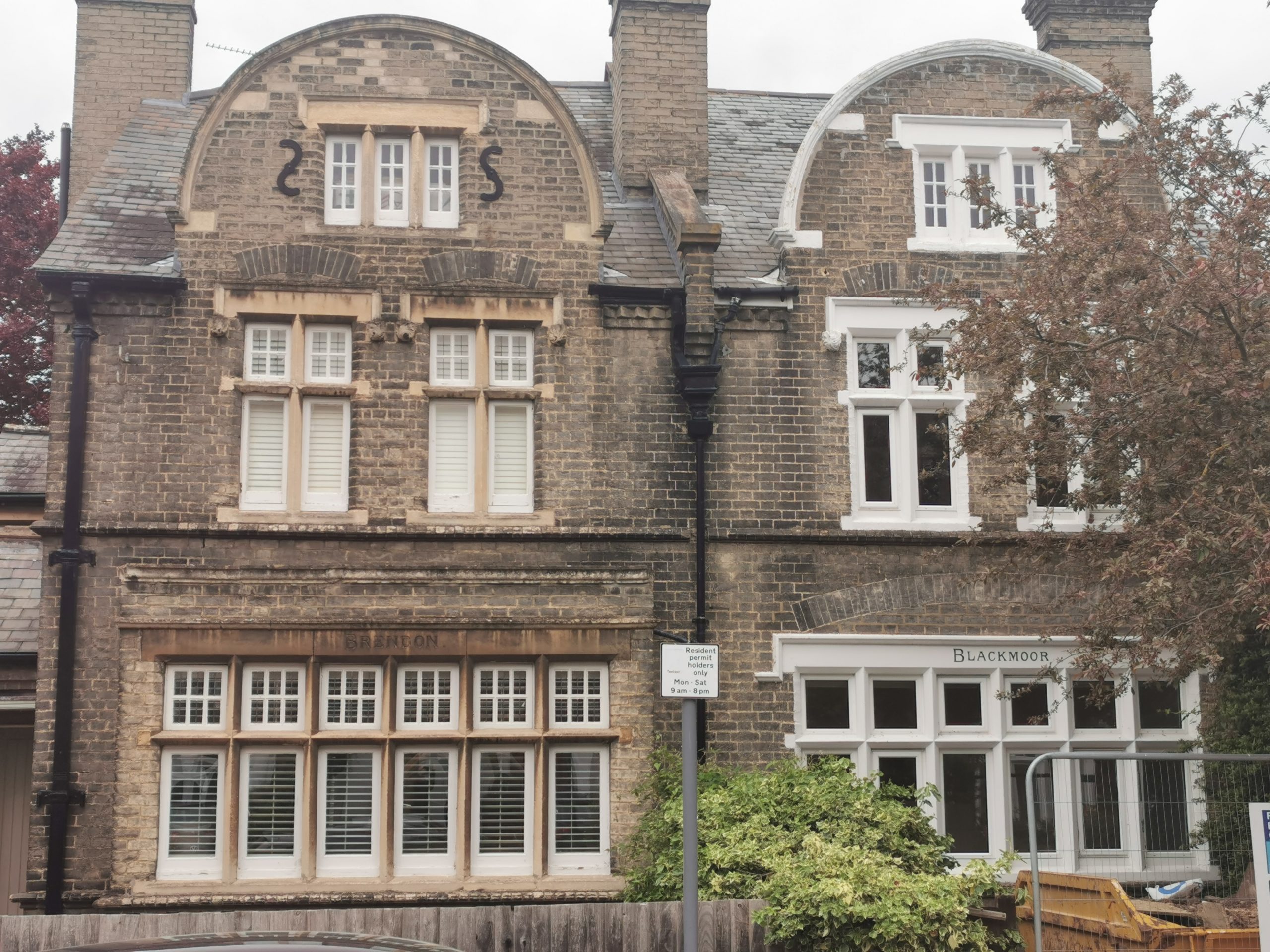 20-22 Tenison Avenue
22 Tenison Avenue, Brendon
History of 22 Tenison Avenue
1911
William Parsons
Elizabeth Parsons
They had moved to Cambridge a few years before this as the 1901 census showed them living where William farmed. In 1911 he was 72 and retired; Elizabeth was 41 and worked as a Missionary for the Society for the Propagation of the Gospel in Foreign Parts, a Church of England missionary society, which dated back to the 18th cent.
William had farmed 500+ acres at Alymer Hall in the small village of Tilney St Lawrence, which is just under 10 miles from Kings Lynn and 8 miles from Wisbech. He also sat as a magistrate. The Parsons family was medium sized by Victorian standards. His eldest son was Frank, followed by Catherine (Kate) then Elizabeth (or Lizzie as she was known) Emily, Arthur, Anne and William. Frank was a student at Trinity College but did not finish his course and left to join the Indian Colonial Service initially in Madras, perhaps at the end of the summer term 1889. He went on to have a distinguished career in the British Raj, being Assistant to the Governor of Vizagapatam before retiring, aged 46, possibly due to ill health, just before the outbreak of the First World War.
William Reginald Grove, who was at Sidney Sussex, (and whose home was in St Ives) was a friend of Frank’s at Cambridge and courted Lizzie in 1889-91. She was lively and fun loving young women and Reginald fell deeply in love with her. He wanted to get engaged and for them to wait to be married until the end of his medical studies. Sadly, she broke off the relationship, when he was training at Guy’s Hospital in London. William’s descendants believe her decision was due to her parents opposition. She never married and was baptised as an adult in 1894 in Bristol. Nothing further is known about her after this.
(contributed by Peter Flower, grandson of WRG)
1913
William B Parsons
1962
Miss F Singer
Projects
Contribute
Do you have any information about the people or places in this article? If so, then please let us know using the Contact page or by emailing capturingcambridge@
Licence
This work is licensed under CC BY-NC-SA 4.0