Search by topic
- archaeology
- Building of Local Interest
- chapel
- charity
- church
- crime
- dressmaker
- Great Eastern Railway
- Listed building
- Mapping Relief
- medieval
- oral history
- poverty
- Public House
- railway worker
- Religious House
- Roman
- scholar
- school
- Then and Now
- tudor
- women
- work
- world war one
- world war two
Search by text


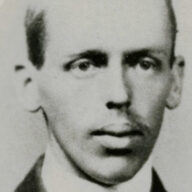
 Private William Wilson, Grantchester
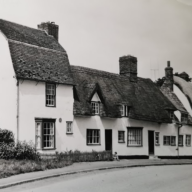
Manor Farm Lodge, 2 Mill Way, Grantchester
History of 2 Mill Way
Listed Building:
Lodge. c.1840. Red brick and fishscale pattern tile roof, bargeboarded ends and diagonally set shaft to ridge stack on rectangular base.
1871 Manor Farm
Sarah May, visitor, 31, miller maltster & merchant, b Suffolk
Emma May, visitor, 21, independent lady, b Essex
Mary Brooks, 23, b Essex
John M Constable, 24, farmer, b Essex
Matthew H Constable, 18, b Essex
Harriet Gascoigne, 24, nurse, b Welney
Ellen Thurlboun, 14, nursemaid, b Harlton
William Wilson b 1891 worked as a gardener and pony trap driver in Chaucer Road before WWI. He enlisted in the Cambridgeshire Regiment and was then transferred to the Cameronians. He was badly wounded in 1916, returned home and met Constance Maude Fuller of Bridle Way, Grantchester, who worked at Byron’s Lodge. They married 27th Jan 1917 moved into Lodge Cottage, Manor Farm – rent 1s 6d a week.
William was called back to service. On 21st September 1918 he was killed in an attack on Meath Post.
In the 1911 census William is living with his parents at Whitelocks Yard, Trumpington as a farm labourer. In 1911 Constance Fuller is a housemaid at Newnham College.
In 1901 the family are living at 7 Whitelock’s Yard, Trumpington.
(See World War 1, Francis Burkitt)
Projects
Contribute
Do you have any information about the people or places in this article? If so, then please let us know using the Contact page or by emailing capturingcambridge@
Licence
This work is licensed under CC BY-NC-SA 4.0