Search by topic
- archaeology
- Building of Local Interest
- chapel
- charity
- church
- crime
- dressmaker
- Great Eastern Railway
- Listed building
- Mapping Relief
- medieval
- oral history
- poverty
- Public House
- railway worker
- Religious House
- Roman
- scholar
- school
- Then and Now
- tudor
- women
- work
- world war one
- world war two
Search by text


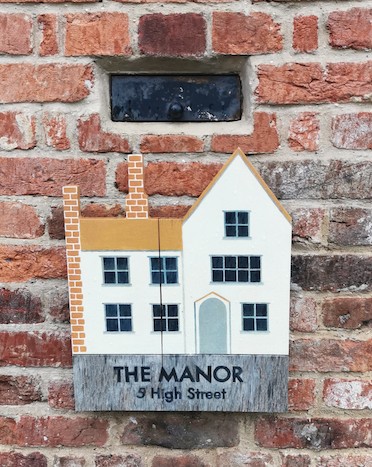 Haslingfield Manor
Haslingfield Manor (Hall), Broad Lane
History of Haslingfield Manor
Manor House. Mid C16, late C17, C18 and C19. Timber-framed,roughcast rendered, red brick and grey brick. Tiled and slate roofs. Late C17 side stack of red brick with in ed shafts. Two bays remain of an H-plan mansion built in mid C16, roof raised and third storey added late C17, extended by addition of wings to the north in late C17. Mostly demolished early C19.
Bridge and adjoining moat wall. Late C17. Red brick, mainly English bond with limestone coping to parapet.
Well-house and well. Late C17, restored and renovated 1978 by the Parish.
Built by Thomas Wendy, physician to Henry VIII. The Wendy memorial is in the church where there is a full size statue.
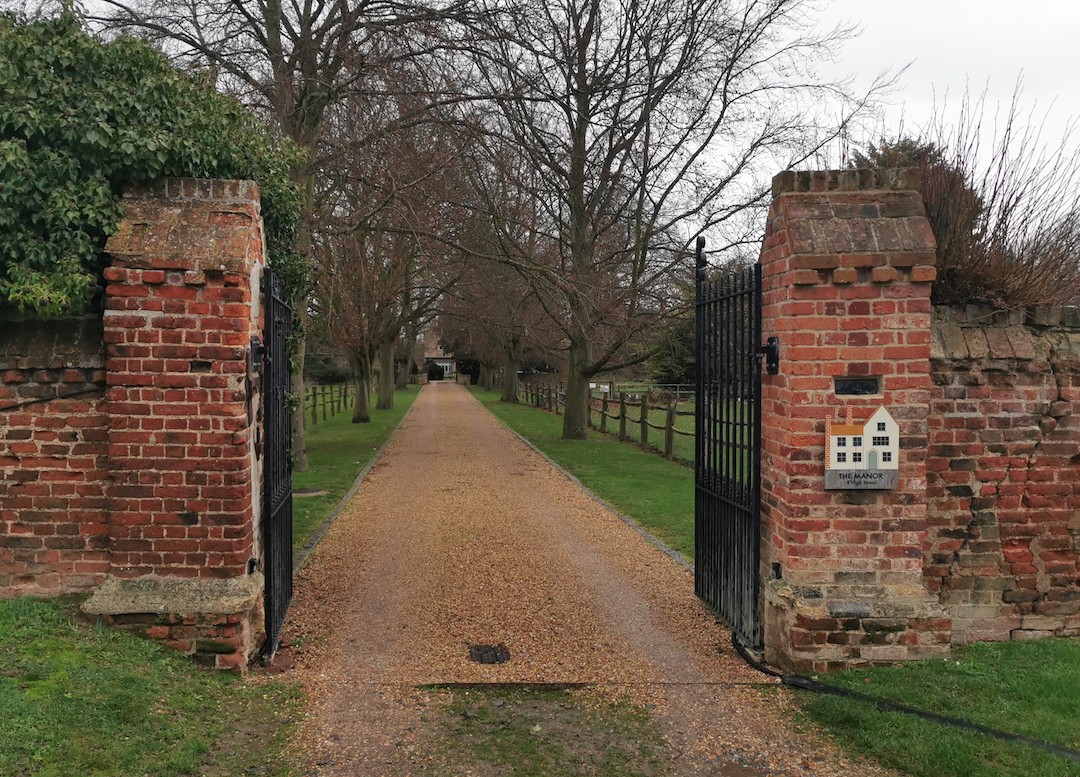
Haslingfield Manor
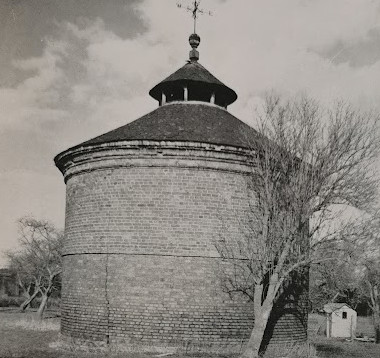
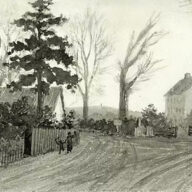
Haslingfield Hall, pigeon house, 17th cent. (RGHM)
1560
Thomas Wendy died here.
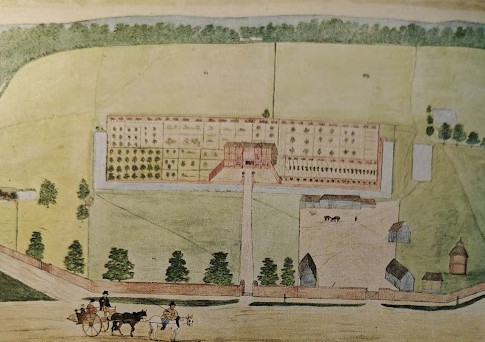
Haslingfield Hall by Relhan, c.1814 (CAS)
In the Victorian period the original fireplace and staircase were moved to Bourn Hall. Other materials were re-used to build The Maltings and Oak Cottage.
Queen Elizabeth I stayed at The Manor in 1564 and continued her progress to Cambridge along Cantelupe Road.
In 1664 Sir Thomas Wendy paid hearth tax on 22 fireplaces. Only 7 houses in the county paid more.
(Walk and Look Around Haslingfield 1994)
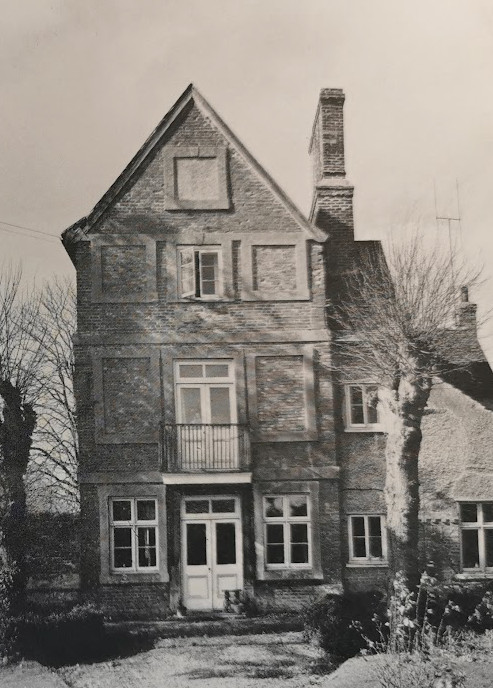
Haslingfield Hall, mid 16th (RCHM)
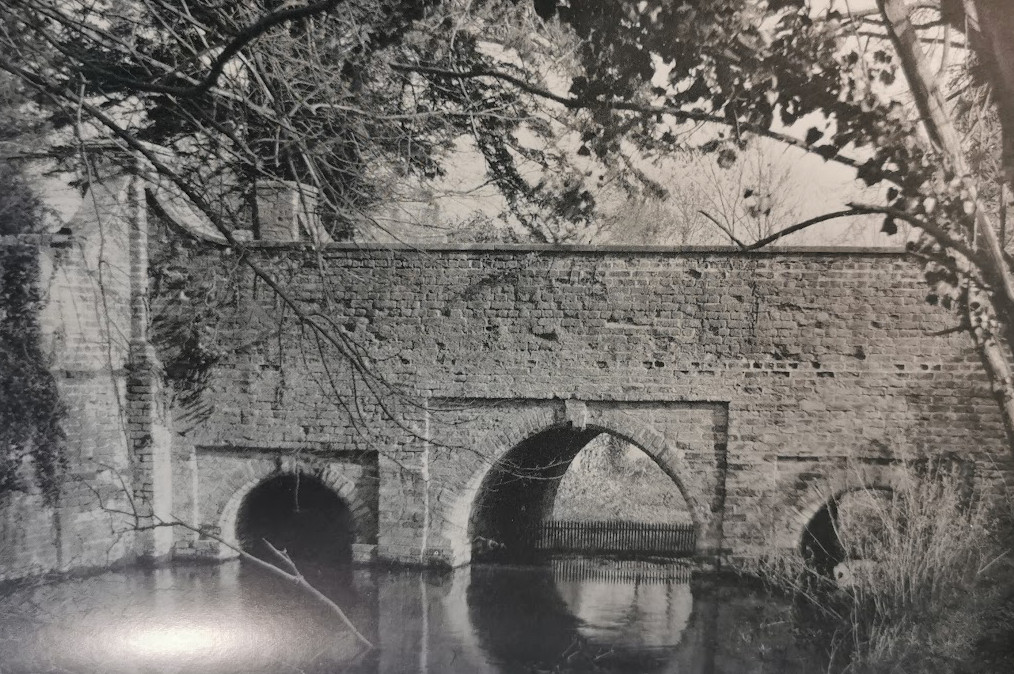
Haslingfield Hall, bridge over moat, 17th cent. (RCHM)
Projects
Contribute
Do you have any information about the people or places in this article? If so, then please let us know using the
Contact page or by emailing
capturingcambridge@
Licence
This work is licensed under
CC BY-NC-SA 4.0


 not including content on external links as indicated
by
not including content on external links as indicated
by .
.