Search by topic
- archaeology
- Building of Local Interest
- chapel
- charity
- church
- crime
- dressmaker
- Great Eastern Railway
- Listed building
- Mapping Relief
- medieval
- oral history
- poverty
- Public House
- railway worker
- Religious House
- Roman
- scholar
- school
- Then and Now
- tudor
- women
- work
- world war one
- world war two
Search by text


 Green Street
Green Street / Highe Warde Lane, Cambridge
History of Green Street Cambridge
There is an appraisal of the history of Green Street by Cambridge City available here:
https://www.cambridge.gov.uk/media/2882/historic-core-appraisal-2016-green-street.pdf
See also Green Street by Enid Porter
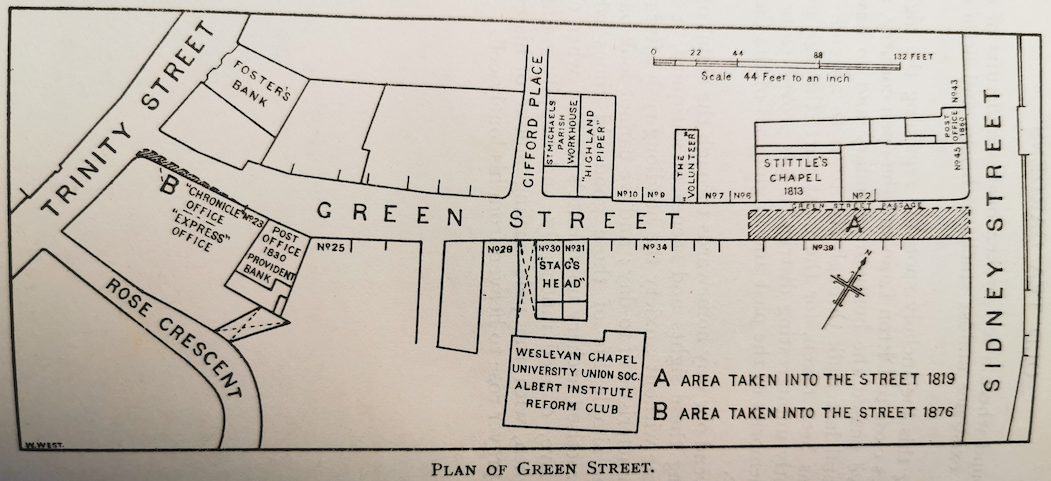
Map of Green Street
The Street takes its name from Dr Oliver Green of Caius College on whose estate it was laid out in 1614. An alternative story of how the street got its name from the grass that grew there during the plague has been reported.
The map above shows thats until 1819 the only access into Sidney Street lay through Green Street Passage, a narrow footway 120 feet long. The old name for Green Street was Highe Warde Lane and that of the passage was Burden Hostel Lane.
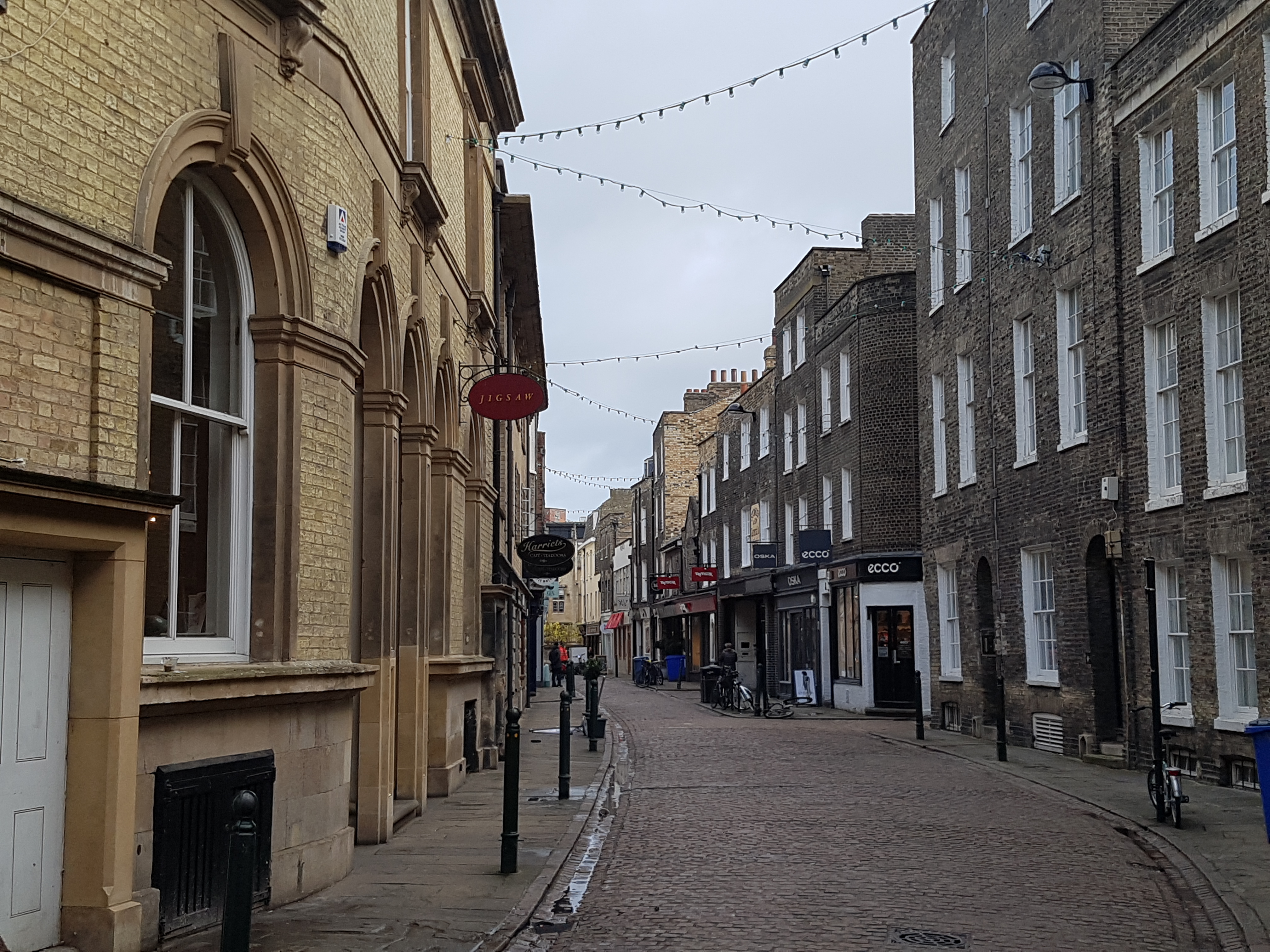
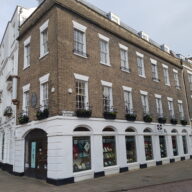
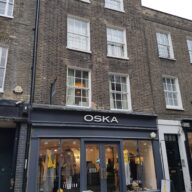
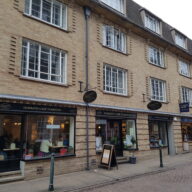
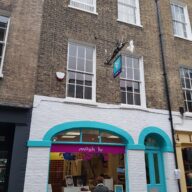
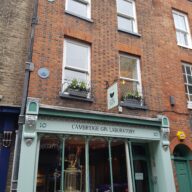
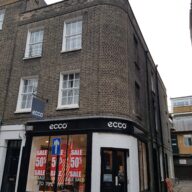
This was nearly all rebuilt 1820-1850 with plain brick houses on both sides. There are several original shop fronts.
The street took its name from Oliver Green M.D. (1563-1623) of Caius College. Willis and Clark in their Architectural History of the University quote from the Annals of Dr Caius, stating that in 1614, on the occasion of the visit of King James, Green undertook to repair the College sundials and elsewhere and “that on this gentleman’s estate, the street, which from his name is called green Street, had been recently erected.” From this it can be inferred that Highe Warde Lane became lined by houses in the early years of the seventeenth century.
An alternative explanation of the name of the street was told by Edward Searle, the bookseller of 10 Green Street, to the CWN (23.4.1981): I have heard tell that during the last plague in Cambridge this street was particularly afflicted. It was so bad that they boarded up the street at both ends. When they took the boards down grass was found to be growing to the height of elephant grass in the street, which was known thereafter as Green Street.
1959 Royal Commission on Historical Monuments Survey of Cambridge sates that:
Houses from end to end of the street, excepting no.10 are nearly all part of a single rebuilding scheme probably of the second quarter of the 19th cent. Nos. 8 and 9 which were older houses, have been largely, and nos. 14 to 20, 22 and 24, entirely, rebuilt since.
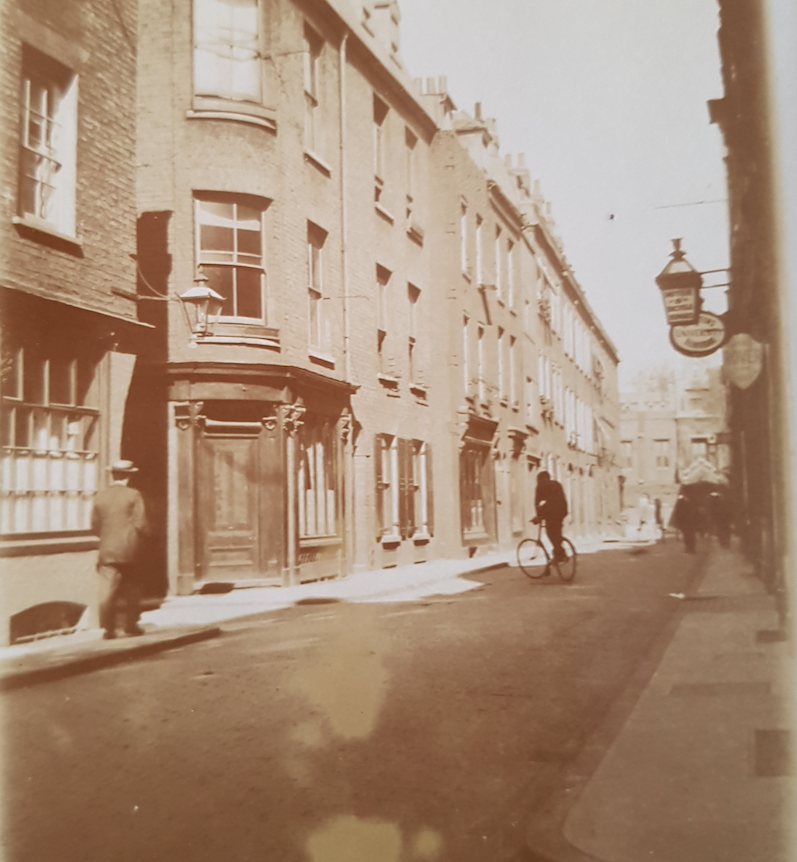
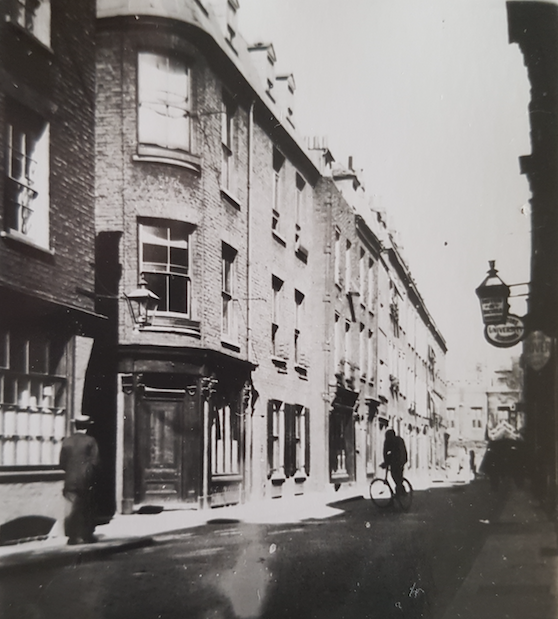
Green Street in 1910. On left is old entrance to Gifford Place.
Green Street in 1910. On the left, the old entrance to Gifford Place – the man is passing the property now replaced by Trinity College Hostel. Beyond, towards Sydney Street, was Stittles Chapel. On the right, the hanging sign shows the site of the chapel of 1819, later used by the Union Society and the Record Club. In the right foreground is the entrance to the old Angel Inn yard.
http://cambridgehistorian.blogspot.com/2012/10/the-tale-of-green-street.html
1998
Green Street was improved at this time, although some proposals were not adopted. The following documents were kindly provided by AN of Bidwells.
Green Street Coloured Sketch (2)
Green Street Coloured Sketch (3)
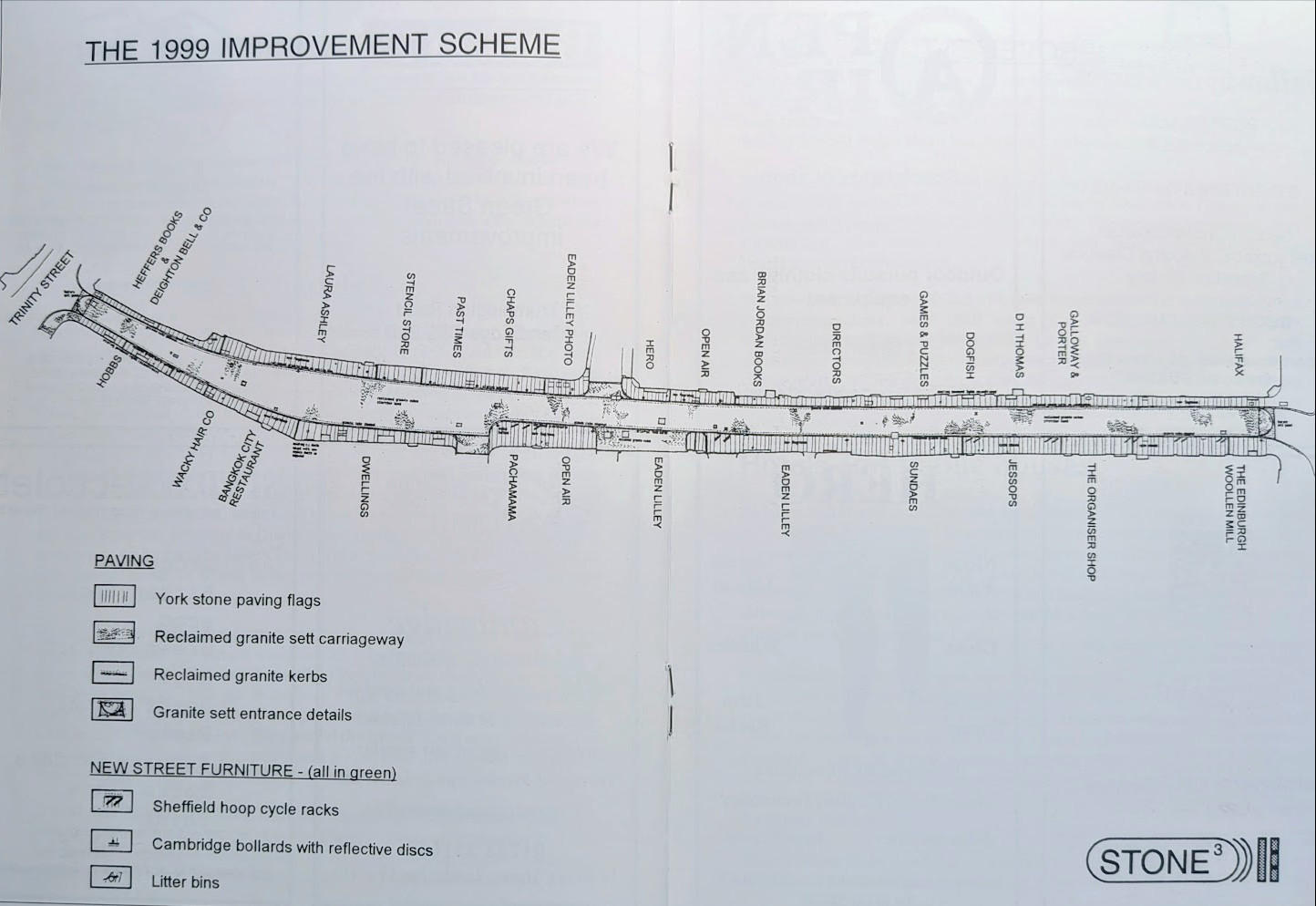
1999 Improvement proposal map (Cambridge City Council)
Projects
Contribute
Do you have any information about the people or places in this article? If so, then please let us know using the Contact page or by emailing capturingcambridge@
Licence
This work is licensed under CC BY-NC-SA 4.0