Search by topic
- archaeology
- Building of Local Interest
- chapel
- charity
- church
- crime
- dressmaker
- fire
- Great Eastern Railway
- Listed building
- Mapping Relief
- medieval
- oral history
- poverty
- Public House
- Religious House
- Roman
- scholar
- school
- Then and Now
- tudor
- women
- work
- world war one
- world war two
Search by text
“One, Two, Three…”: Words, Memories and Life in the Fen Country
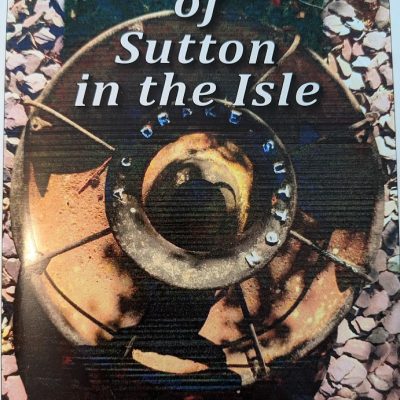
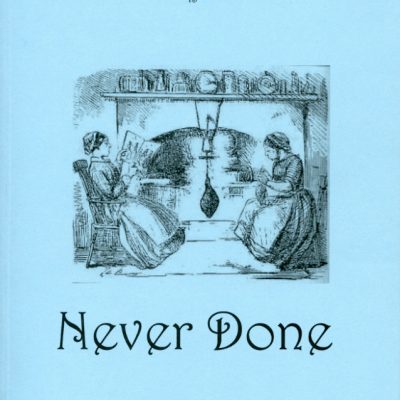
An exhibition exploring the language, memories and everyday life of the Cambridgeshire Fens, combining oral history, local dialect, countryside knowledge and recollections from the Isle of Ely.
Exhibition: “One, Two, Three…”
This exhibition explores the distinctive culture of the Fen Country through:
- Words and expressions
- Memories of earlier life
- Rural work and countryside knowledge
- Childhood and storytelling
Compiled by Lorna Delanoy and Maureen Scott, it forms part of the Fen Words series and draws heavily on oral history and local knowledge.
1. The language of the Fens
Language is one of the most distinctive features of Fenland life.
The booklet opens with a rich collection of local expressions, including:
- “Fair to middlin” – feeling reasonably well
- “Gotta goo” – time to leave
- “On the huh” – slanting or uneven
- “Slub” – the watery winter mud of the Fens
These phrases reflect:
- Practical rural life
- Strong local identity
- A shared cultural understanding
Local speech also included distinctive pronunciation, such as dropping letters or using double negatives, giving Fenland dialect its unique character (see pages 4–6).
2. Words shaped by landscape and work
Many Fenland expressions come directly from:
- Farming practices
- Water and drainage
- Tools and materials
For example:
- Terms linked to horses and farming equipment
- Words describing mud, water and soil
- Expressions rooted in everyday labour
Language becomes a record of how people interacted with their environment.
3. Memory and place
The exhibition moves from language into memory.
Recollections describe:
- Village life
- Work routines
- Social customs
- Changing landscapes
These memories are grounded in specific places across the Isle of Ely and surrounding villages.
Contribute
Do you have any information about the people or places in this article? If so, then please let us know using the Contact page or by emailing capturingcambridge@
Licence
This work is licensed under CC BY-NC-SA 4.0