Search by topic
- archaeology
- Building of Local Interest
- chapel
- charity
- church
- crime
- dressmaker
- Great Eastern Railway
- Listed building
- Mapping Relief
- medieval
- oral history
- poverty
- Public House
- railway worker
- Religious House
- Roman
- scholar
- school
- Then and Now
- tudor
- women
- work
- world war one
- world war two
Search by text


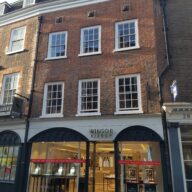
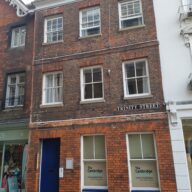
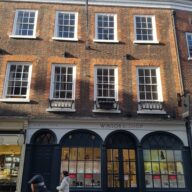
Trinity Street, Cambridge
Trinity Street lies at the heart of Cambridge, where major colleges, historic buildings, and busy thoroughfares reflect the long relationship between university authority and town life.
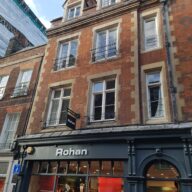
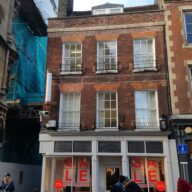
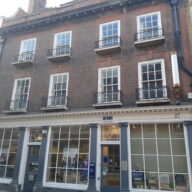
Trinity Street is one of the most important historic streets in Cambridge, running through the centre of the city between St John’s Street and King’s Parade. It has long been associated with the University, forming a key axis of college buildings, ceremonial routes, and academic activity.
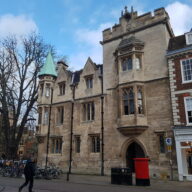
Dominated by institutions such as Trinity College and Gonville and Caius College, the street reflects the concentration of university wealth and influence in the medieval and early modern town. College gates, courts, and chapels line the route, shaping both its appearance and its function.
At the same time, Trinity Street has always been a place of interaction between “Town and Gown”. Shops, bookshops, and services developed here to serve both students and townspeople, while the presence of the University brought regulation, privilege, and occasional tension.
The street’s layout and buildings illustrate the gradual expansion of the colleges into the urban fabric of Cambridge, often replacing earlier properties and reshaping the town centre. Today, Trinity Street remains a focal point of Cambridge life, where academic tradition and everyday activity continue to meet.
Projects
Contribute
Do you have any information about the people or places in this article? If so, then please let us know using the
Contact page or by emailing
capturingcambridge@
Licence
This work is licensed under
CC BY-NC-SA 4.0


 not including content on external links as indicated
by
not including content on external links as indicated
by .
.