Search by topic
- archaeology
- Building of Local Interest
- chapel
- charity
- church
- crime
- dressmaker
- fire
- Great Eastern Railway
- Listed building
- Mapping Relief
- medieval
- oral history
- poverty
- Public House
- Religious House
- Roman
- scholar
- school
- Then and Now
- tudor
- women
- work
- world war one
- world war two
Search by text

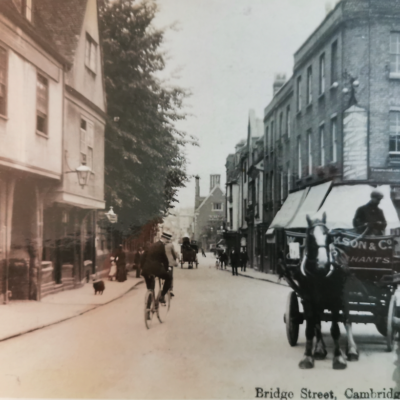
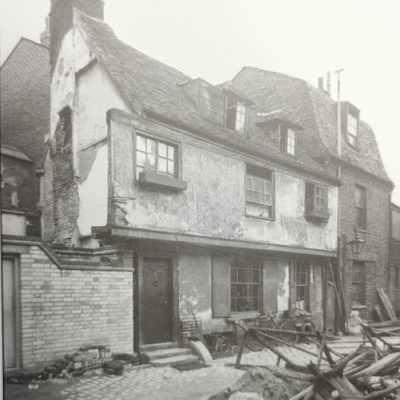
70 Bridge Street, Lindum House, the Flying Stag, the Royal Oak, the Wild Man
History of 70 Bridge Street
Pevsner notes 18th cent..
1959 Royal Commission on Historical Monuments Survey of Cambridge: in the main an early 19th cent. building incorporating part of an 18th cent. structure on the S. The house was formerly the ‘ Freemasons’ Tavern; within living memory the name and ‘Livery Baiting Stables’ was painted on the passage to it from Bridge Street.
The British Listed Buildings website notes:
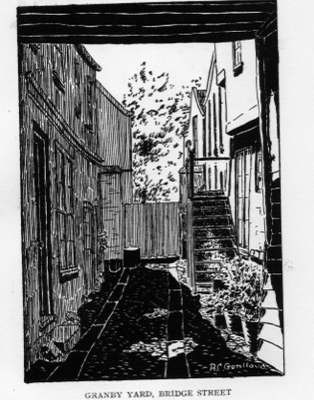
Entrance archway to No 70 has with a good early C19 Gothic door. In the yard behind, No 70 (The Flying Stag), a former public house, 1842, brick, incorporating a timber framed C17 cell and C18 fragments. 3 storey and 2 storey and attic ranges, sashes with glazing bars. Tiled roof on early lower build.
See Enid Porter:Bridge Street
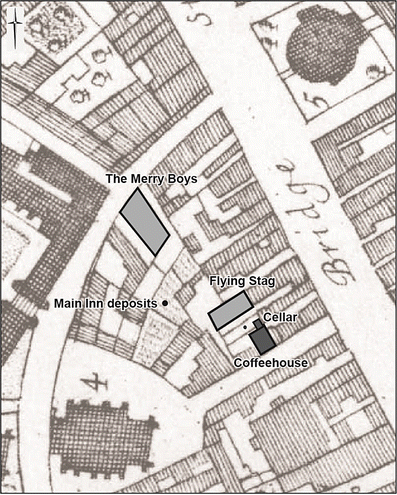
Loggan 1688 map of central Cambridge
1861
James S Banyard, 45, tobacco manufacturer, b Wisbech
1911
George Edmund Lister, 69, choir school master St. John’s College, b Lincs
Susanna Elizabeth, 71, wife, b Surrey
Ada Elizabeth Sutton, 32, servant, b Cambs
1913
Sam Senior BA, S John’s College choir schoolmaster and assistant curate at Holy Sepulchre church
1962
Rev Sam Senior
1970s
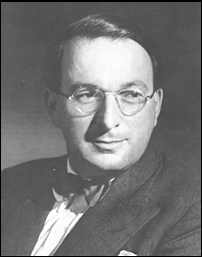
Professor Glyn Daniel, Bridge Street
Professor Glyn Daniel, Disney Professor of Archaeology
Projects
Contribute
Do you have any information about the people or places in this article? If so, then please let us know using the Contact page or by emailing capturingcambridge@
Licence
This work is licensed under CC BY-NC-SA 4.0