Search by topic
- archaeology
- Building of Local Interest
- chapel
- charity
- church
- crime
- dressmaker
- Great Eastern Railway
- Listed building
- Mapping Relief
- medieval
- oral history
- poverty
- Public House
- railway worker
- Religious House
- Roman
- scholar
- school
- Then and Now
- tudor
- women
- work
- world war one
- world war two
Search by text


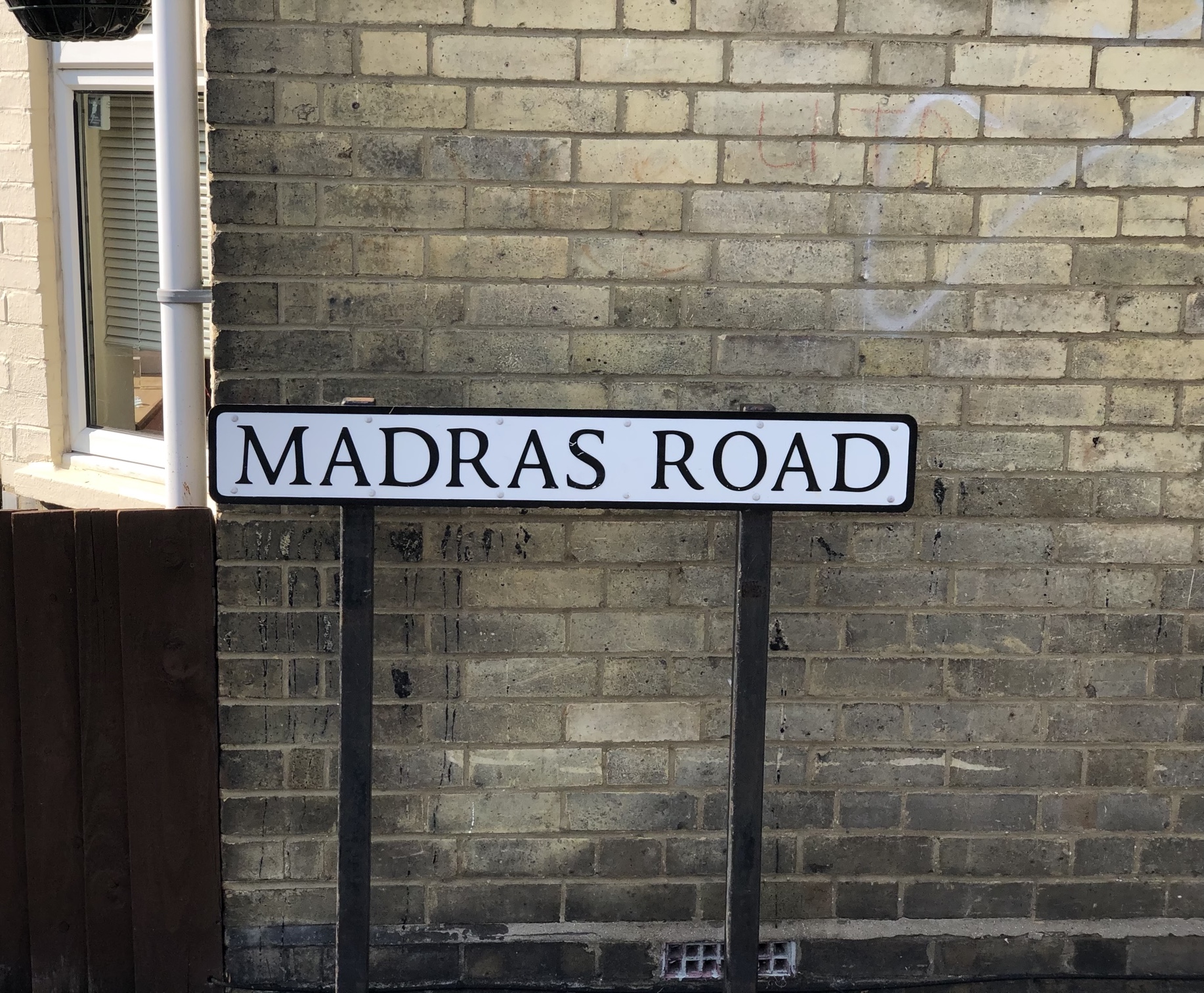
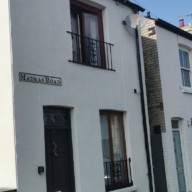
Madras Road
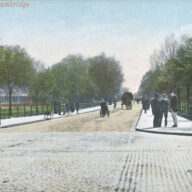
Development and Change in a Typical Romsey Town Street
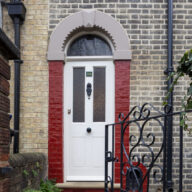
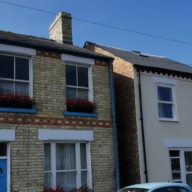
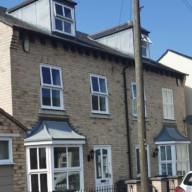
The evident transformation of much of Romsey Town from its original work-a-day character to a that of a more gentrified, and speculative, quarter are often commented upon. Change occurs at a rapid pace: shops have changed from supplying domestic needs to catering more to recreational desires; houses have changed from being rented (typically to railway workers) to becoming financial assets. Indeed, there is scarcely a dwelling which hasn’t been fundamentally altered in some way or another, and with its value having increased in the region of thirty times.
Looking at the area, people remark on this and that development, and how such and such a street has been changed from how it may have been ten or twenty years ago. Many might assume that this is a natural and inevitable process – and similar has happened in numerous urban centres around the UK, though not always to appreciable effect. Yet this report aims to take a closer look, and explore just what changes have taken place, and what may have influenced them.
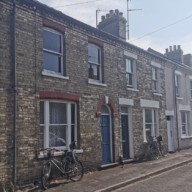
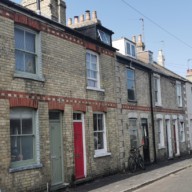
The focus is on an ordinary Romsey Town street – not the most expensively-built street, indeed probably one of the most inexpensively-built – and note the changes that have occurred over time: physical, social and financial.
This is Madras Road.
Read the full site report on the history of Madras Road
Projects
Contribute
Do you have any information about the people or places in this article? If so, then please let us know using the Contact page or by emailing capturingcambridge@
Licence
This work is licensed under CC BY-NC-SA 4.0