Search by topic
- archaeology
- Building of Local Interest
- chapel
- charity
- church
- crime
- dressmaker
- Great Eastern Railway
- Listed building
- Mapping Relief
- medieval
- oral history
- poverty
- Public House
- railway worker
- Religious House
- Roman
- scholar
- school
- Then and Now
- tudor
- women
- work
- world war one
- world war two
Search by text


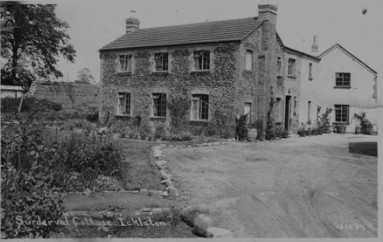 Mill House Cottage (Surdeval Cottage) Ickleton (Ickleton Society)
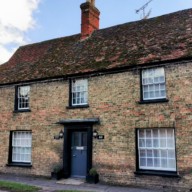
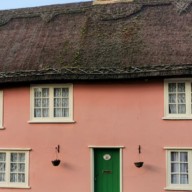
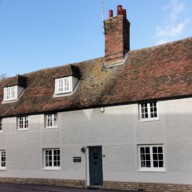
31 Church Street, Mill House (Surdeval), Ickleton
History of Mill House Cottage
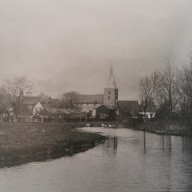
The house and mill were built in 1818 by the farmer Samuel Hanchett who altered the course of the river in the process. Old photos show people punting on the mill pool. The last miller, Mr Rumble, was killed in 1927 when his clothes got caught on the mill wheel.
See ‘Welcome to Ickleton‘
In 1930 the Routh family moved here from Norman Hall, Ickleton. The house name was changed to Surdeval Cottage but reverted later in the building’s history.
While here, Prudence Richarda Eveleen Routh went to school at the Girls Perse in Cambridge.
In the 1939 Register the only name shown at this address is that of Prudence Routh, b 22nd November 1923.
Her mother died in 1941 at the cottage; her father died in 1945. She married, aged 21, the engineer Norman Morrow-Tait, and in 1946 became the first person to be granted a civil pilot’s license after World War II. In October 1946 their first child, Anna, was born. At some point before her famous flight, the family seem to have moved to St Regis, Chesterton Road.
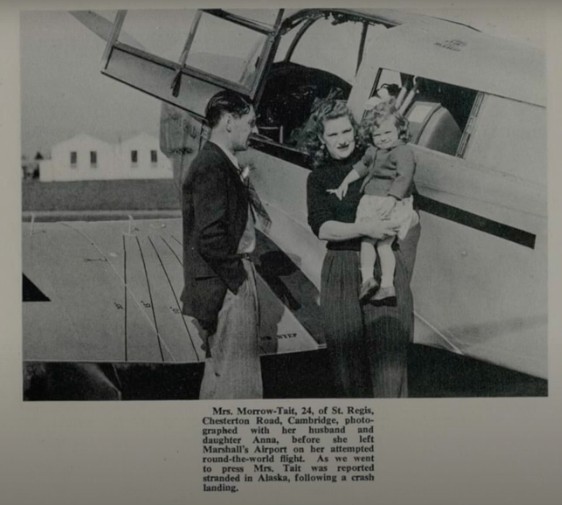
Richarda Morrow-Tait at Marshall Airport, 1948
On 18th August she took off from Marshall Airport, Cambridge and travelled to Croydon airport, the official start of her round the world journey. Her navigator for the journey was her childhood friend and experience RAF navigator, Michael Townsend. She arrived back at Croydon on 19th August 1949.
She divorced Norman Morrow-Tait in 1951 and later that year married Michael Townsend.
Projects
Contribute
Do you have any information about the people or places in this article? If so, then please let us know using the
Contact page or by emailing
capturingcambridge@
Licence
This work is licensed under
CC BY-NC-SA 4.0


 not including content on external links as indicated
by
not including content on external links as indicated
by .
.