Search by topic
- archaeology
- Building of Local Interest
- chapel
- charity
- church
- crime
- dressmaker
- fire
- Great Eastern Railway
- Listed building
- Mapping Relief
- medieval
- oral history
- poverty
- Public House
- Religious House
- Roman
- scholar
- school
- Then and Now
- tudor
- women
- work
- world war one
- world war two
Search by text
1, The Green, High Street, Grantchester
History of 1, The Green
Precise location unknown.
1901 (no address but listed in census next to Red Lion)
John E Baker, 45, blacksmith, b Comberton
Minna, 42, b Cambridge
Oliver, 17, b Comberton
John, 13, apprentice blacksmith, b Comberton
Mary A, 10, b Comberton
Bertie, 7, b Fulbourn
Frank, 4, b Grantchester
Jennet, 3, b Grantchester
1911 High Street
Oliver Baker, 28, blacksmith, b Comberton
Edith Mary née Davie, 30, b Berks
Victor George, 3, b Grantchester
Oliver’s father, John Edward Baker moved from Comberton to Grantchester c.1895.
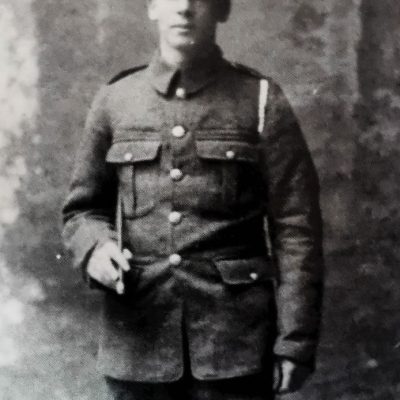
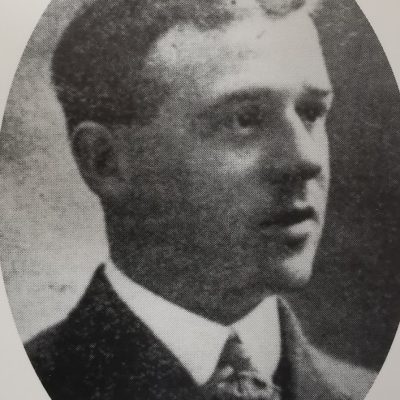
When Oliver left school he took job of postman whilst helping his father in the smithy. Oliver later took over the business. He married Edith Mary Davie in 1907. She worked for the Asshetons at Riversdale.
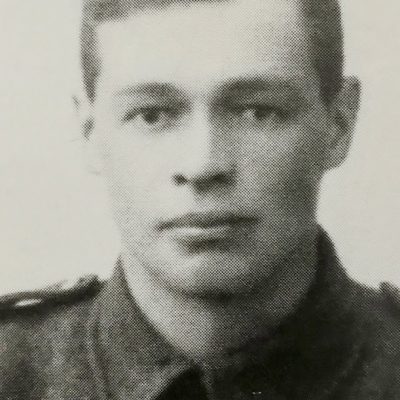
In 1905 Oliver had joined the Suffolk Yeomanry, volunteer mounted troops of the home defence army. Members had to provide their own horses.
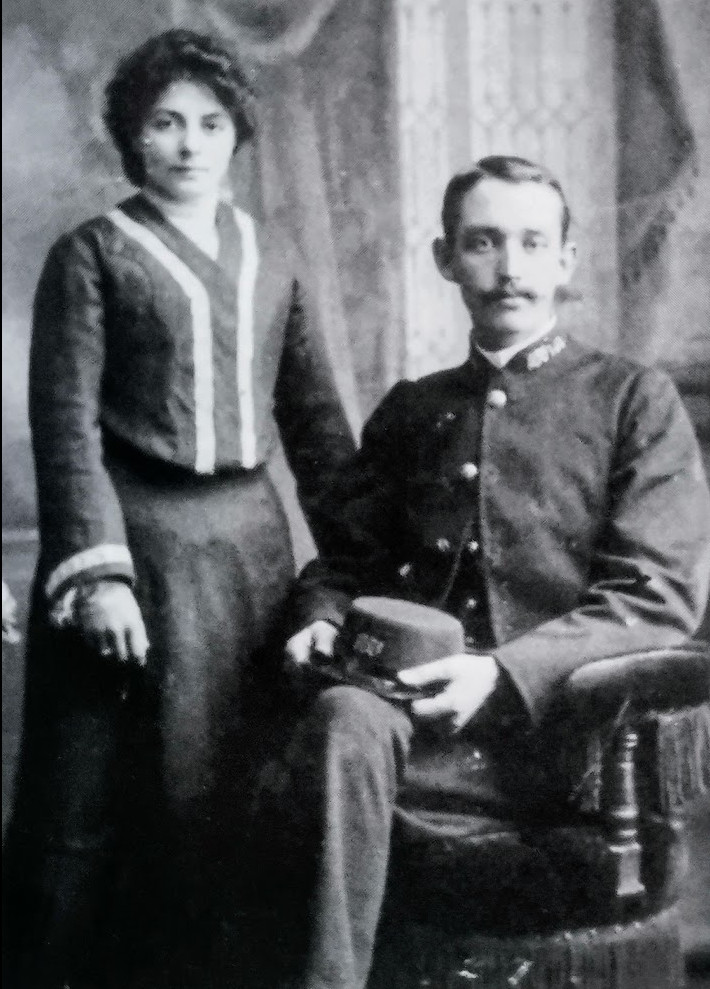
Oliver Baker and Edith, Grantchester
1915 on 21 March Oliver had been found in Cambridge Road, Ely feeling unwell. He collapsed and was taken to Ely hospital where he died without regaining consciousness; he had died of a stroke aged 32. He was buried with military honours at Grantchester three days later. Edith continued to work at Riversdale and live on the Green until her death in 1964.
(See Francis Burkitt, World War I, pub. 2020)
Projects
Contribute
Do you have any information about the people or places in this article? If so, then please let us know using the Contact page or by emailing capturingcambridge@
Licence
This work is licensed under CC BY-NC-SA 4.0