Search by topic
- archaeology
- Building of Local Interest
- chapel
- charity
- church
- crime
- dressmaker
- fire
- Great Eastern Railway
- Listed building
- Mapping Relief
- medieval
- oral history
- poverty
- Public House
- Religious House
- Roman
- scholar
- school
- Then and Now
- tudor
- women
- work
- world war one
- world war two
Search by text
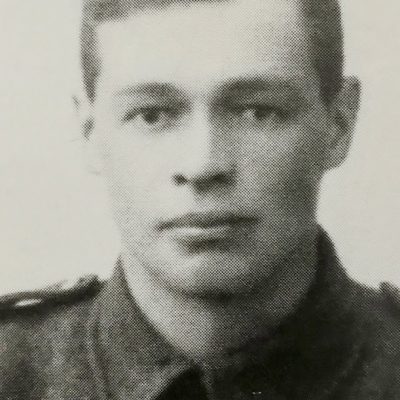
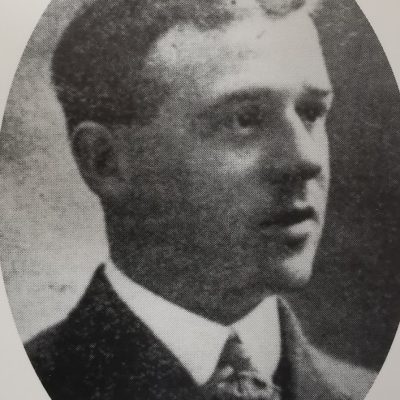
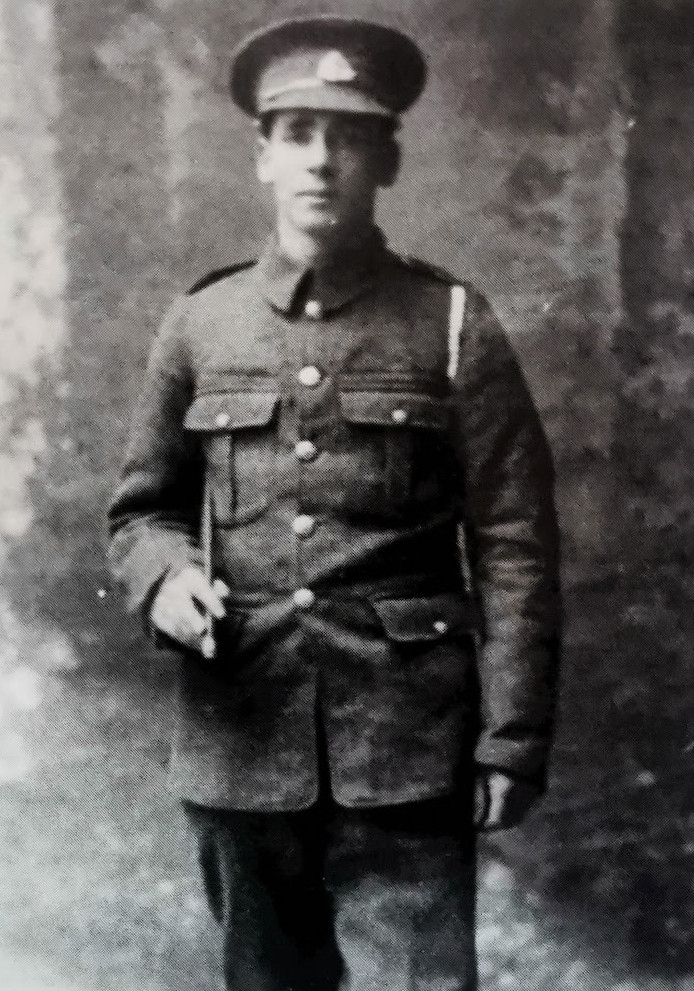 Private Charles Hubbard, Grantchester
Laburnum Cottages, 3, 5, 7, Coton Road, Grantchester
History of Laburnum Cottages
In 1915 this was the home of Hilda May Chapman and her parents, George and Rhoda. Hilda married Charles Hubbard on 8 May 1915. He was killed in action 1st July 1916.
After being widowed, Hilda moved to Thetford. After the war she worked as a District Nurse in Girton. She settled in Barrington and became District Nurse for Foxton, Orwell and Barrington until the 1940s.
(See World War 1, Francis Burkitt)
1891 (in the street)
George Chapman, 24, agricultural labourer
Rhoda, 24,
Hilda May, 3 months
1901 no address
Albert G Chapman, 34, groom,
Rhoda, 34,
Hilda M, 10,
Nora A, 6,
Rose Mead, boarder, 9, b Not Known
1911
George Chapman, 45, groom, b Grantchester
Rhoda, 45, b Heydon
Hilda, 20, b Grantchester
Nora, 16, at home school teaching, b Grantchester
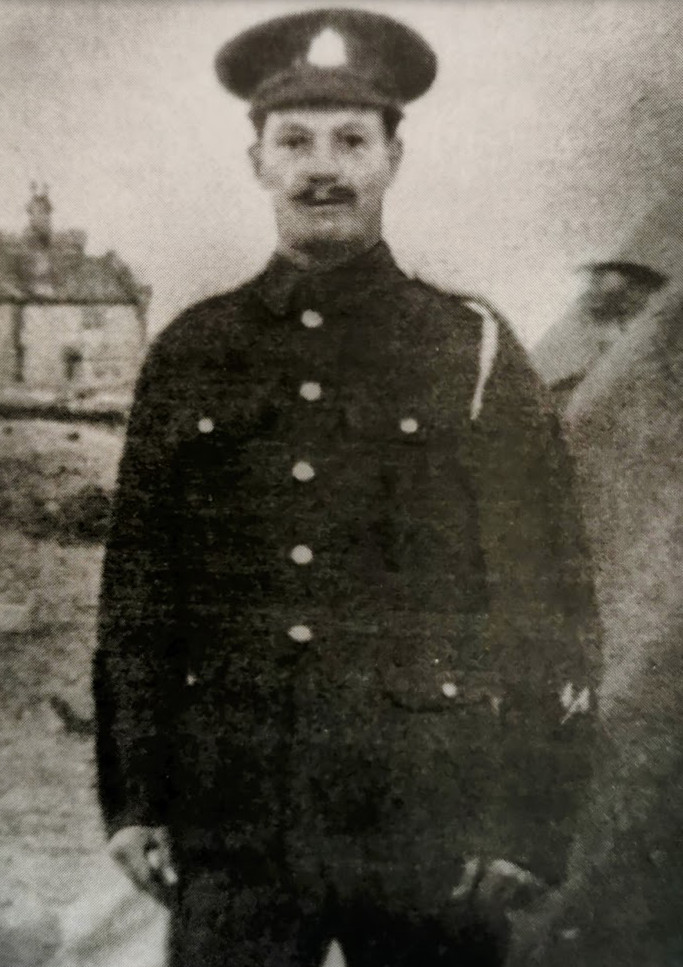
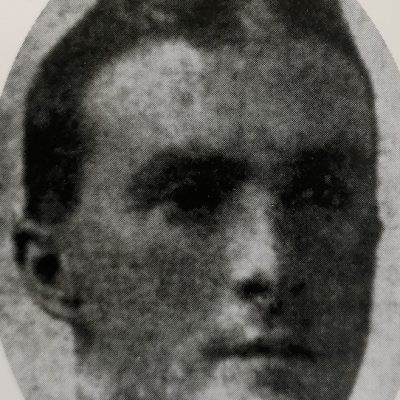
Private James Upchurch, Grantchester
1913
James Upchurch married Mary Boughen and moved into 1 Laburnum Cottages. Mary was from Downham Market and was in service with the Holben family at Manor Farm.
James’s father had been stockman for Mr Gardner at Lacies Farm. The family had lived in Grant Cottages, Coton Road, Grantchester. After his death his widow moved to a cottage in Symonds Lane.
At the outbreak of WWI James was called up into the 12th Battalion, Suffolk Regiment. James was in action in November 1917 during the Battle of Cambrai. He was killed during the withdrawal from Bourlon Wood on 24th November.
Projects
Contribute
Do you have any information about the people or places in this article? If so, then please let us know using the Contact page or by emailing capturingcambridge@
Licence
This work is licensed under CC BY-NC-SA 4.0