Search by topic
- archaeology
- Building of Local Interest
- chapel
- charity
- church
- crime
- dressmaker
- Great Eastern Railway
- Listed building
- Mapping Relief
- medieval
- oral history
- poverty
- Public House
- railway worker
- Religious House
- Roman
- scholar
- school
- Then and Now
- tudor
- women
- work
- world war one
- world war two
Search by text
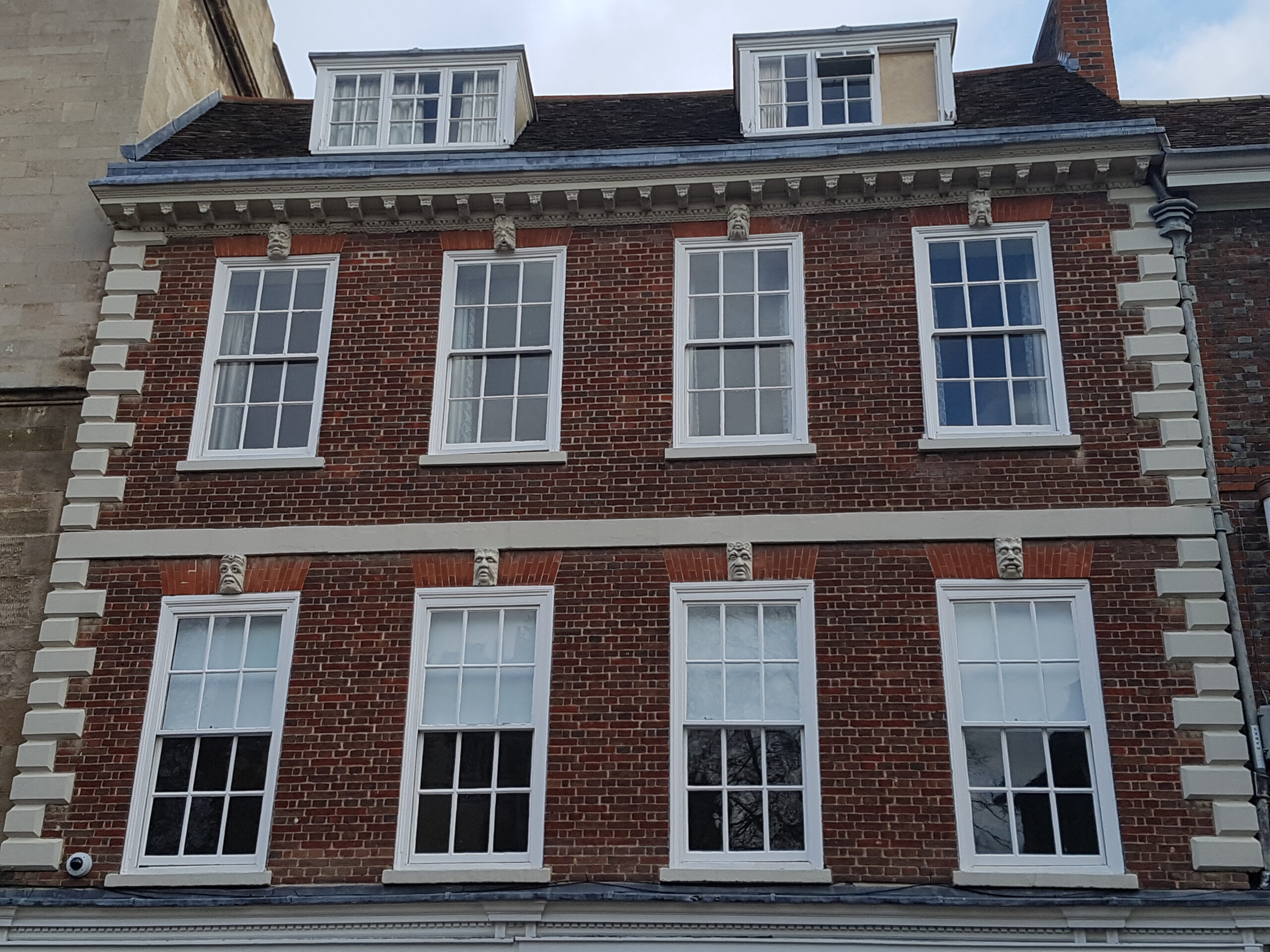
23 Trinity Street, Cambridge
History of 23 Trinity Street
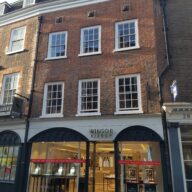
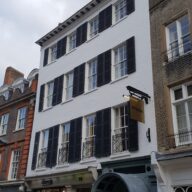
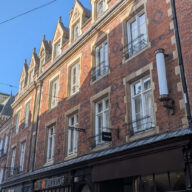
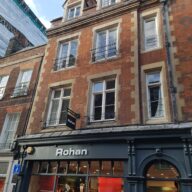
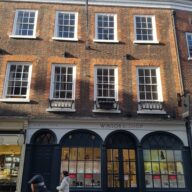
Three storey houses built at the beginning of the 18th cent. The ‘Junior Parlour’ of Trinity College extends the full length of the first floor and is lined with original ovolo-moulded and fielded panelling. (see 1959 Royal Commission on Historical Monuments Survey of Cambridge)
1881
(23-24)
Henry M Ransome, 58, tailor & robemaker, b Cambridge
Emily, 47, b Cambridge
Emily S, 21, b Cambridge
Harriet E, 20, b Cambridge
Henry M, 16, b Cambridge
Kate, 15, b Cambridge
Herbert W, 13, b Cambridge
Arthur J, 10, b Cambridge
Lilian F, 6, b Cambridge
Frank P Galloway, lodger, student, 21, b Ceylon
Alfred E G Price, lodger, student, 21, b Wales
Elizabeth Sanderson, servant, 24, b Cottenham
Emma E Martin, 16, servant, b Cambridge
1891
1901
(22-23)
Arthur John Ransom, 30, tailor robemaker & tobacconist,
Amy K, 27,
Marjorie, 1, b Cambridge
Frances A Hayward, 25, servant, 25, b Abingdon
Bertha L Hayward, 21, servant, 21, b Abingdon
1911
Arthur J Ransom, 40, cigar & cigarette merchant, b Cambridge
Amy Katherine, 37, b Bristol
Marjorie, 11, b Cambridge
Joan, 1, b Cambridge
Laura Lavinia Bowls, 24, working housekeeper, b Suffolk
Dorothy May Fisher, 15, nursemaid, b Suffolk
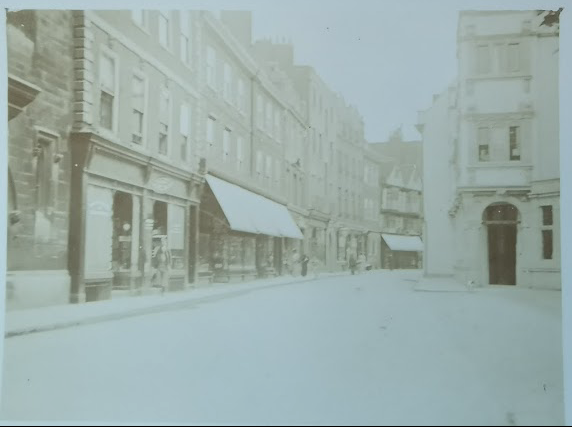
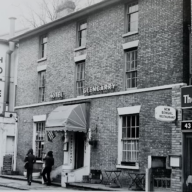
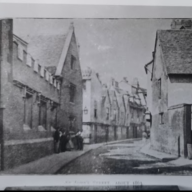
Trinity Street, 23 & 24 on left (MoC15/55)
1913
Ransom & Son, tailors and robemakers
A J Ransom, cigar merchant
WE Bryan MA
Athenaeum Club
The Ransoms later lived at 96 Barton Road
1937
(23 & 24) Adamsons, tailors
1970
(23 & 24) A Lewis & Co, Westminster Ltd, tobacconists and post office
Sources
- 1881 census
- 1901 census
- 1911 census
- Kellys Directory
- Museum of Cambridge
- Photographs
- Published Source
Projects
Contribute
Do you have any information about the people or places in this article? If so, then please let us know using the Contact page or by emailing capturingcambridge@
Licence
This work is licensed under CC BY-NC-SA 4.0